Precision Fertilizer Device and Field Cultivator Price Guide
Optimizing nutrient application is a critical challenge for modern growers aiming to balance crop productivity with resource conservation. The Fertilizer Device represents a strategic shift from traditional broadcast methods to precision-guided delivery, ensuring that every square inch of soil receives the exact nutrient load required for optimal growth. By integrating intelligent dosing systems with durable mechanical engineering, this equipment eliminates the common pitfalls of over-fertilization and nutrient runoff.
Whether managing a small-scale horticultural operation or an expansive commercial farm, the ability to program application rates based on growth stages—such as increasing potassium during the fruiting phase of tomatoes—directly impacts final yields. For buyers analyzing the field cultivator price and overall tillage investment, integrating a high-precision fertilizer system is often the key to maximizing the return on investment per acre.

Engineering Precision Through Intelligent Dosing and Microchip Control
The operational core of the Fertilizer Device is its high-precision dosing system, which is managed by an integrated intelligent microchip. This technology allows for a level of uniformity that manual spreading cannot achieve. By programming the device according to specific crop types and soil conditions, operators can ensure that fertilizers are distributed evenly across the entire field, preventing the "patchy" growth often seen in traditionally managed plots.
Construction is equally prioritized to ensure reliability in extreme environments. The use of reinforced plastics and high-grade stainless steel ensures that the device remains impervious to heavy rain, intense UV exposure, and temperature fluctuations. This focus on material science reduces the total cost of ownership by extending the service life of the equipment and minimizing the frequency of mechanical failures during peak planting seasons.
- Programmable Logic: Adjust dosing based on specific crop growth stages.
- Environmental Resilience: Weather-resistant chassis for multi-climate operation.
- Interface Accessibility: Large-button LCD controls usable with protective gloves.

Operational Advantages: Resource Conservation and Labor Efficiency
One of the most immediate benefits of transitioning to an automated fertilizer device is the drastic reduction in labor hours. Tasks that previously required several hours of manual labor can be completed in a fraction of the time; for instance, a small-scale unit can cover a one-acre garden in approximately 30 minutes. This efficiency allows farm managers to reallocate human resources toward critical tasks like pest monitoring and irrigation management.
Beyond labor, the environmental and financial impact of resource conservation is substantial. By applying only the necessary amount of fertilizer, farmers reduce waste and prevent chemical leaching into groundwater. This not only lowers the expenditure on raw fertilizer materials but also aligns the farming operation with sustainable agricultural standards, reducing the risk of eutrophication in nearby water bodies.
Strategic Selection Criteria for Different Farming Scales
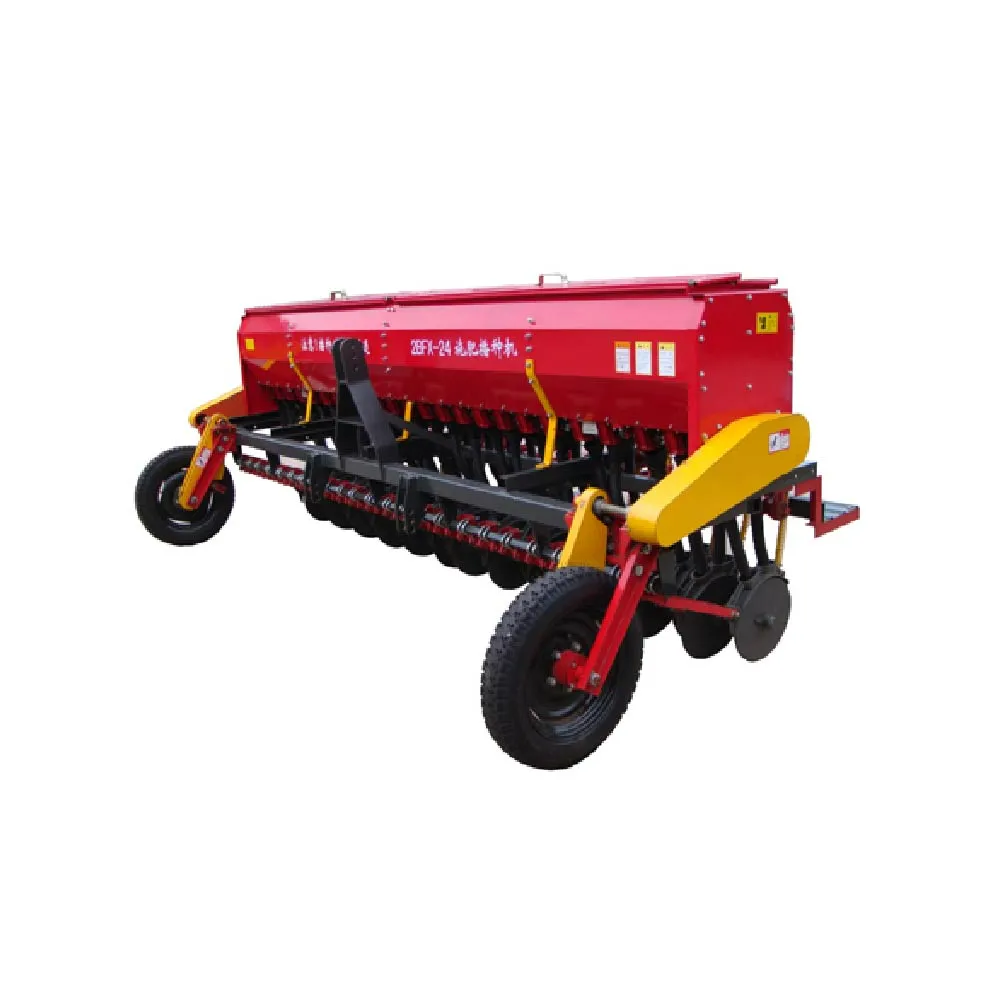
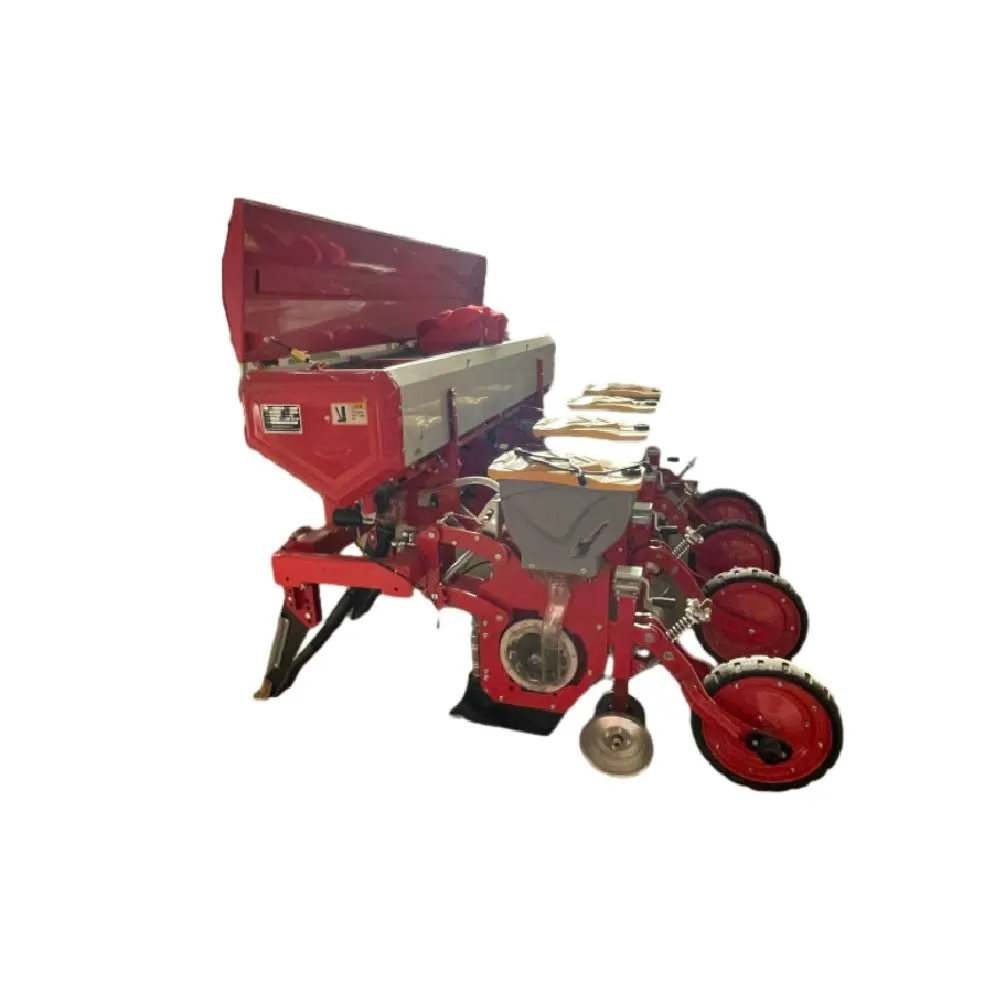
Selecting the appropriate model requires a thorough assessment of the operational area and the type of nutrients being deployed. For home gardens and small vegetable patches, portable handheld models offer the necessary agility and ease of storage. Conversely, large-scale commercial enterprises require tractor-mounted or tow-behind configurations that can handle high volumes of material and cover hundreds of acres without frequent refills.
Furthermore, the choice between solid and liquid application systems is paramount. While some devices are specialized for granules and pellets, others are optimized for liquid fertilizers, which are often more readily absorbed by plants. Advanced users should prioritize models with wireless connectivity, enabling real-time performance monitoring and remote setting adjustments via smartphone apps, which is essential for managing multiple devices across vast territories.
Comparison of Fertilizer Device Specifications by Application
| Application Scale | Recommended Model | Fertilizer Type | Control System |
|---|---|---|---|
| Home Gardening | Portable Handheld | Solid/Liquid | Manual/Basic Digital |
| Horticulture | Mid-Range Tow-Behind | Liquid Preferred | Programmable Microchip |
| Commercial Farm | Tractor-Mounted | Bulk Granular | Wireless App-Controlled |
| Landscaping | Battery-Powered Mobile | Specialized Pellets | LCD Interface |
| Organic Farming | Heavy-Duty Compost | Organic Solids | Adjustable Volume Flow |
Promoting Sustainable Agriculture and Long-Term Soil Health
The integration of precision fertilizer technology is a cornerstone of sustainable agriculture. By preventing the over-application of nitrogen and phosphorus, these devices help maintain the delicate balance of soil microorganisms. Moreover, the compatibility of many models with organic fertilizers—such as compost and plant residues—encourages a shift away from synthetic chemical reliance, improving the overall soil structure and organic matter content over time.
From a circular economy perspective, the durability of these machines is a key sustainability factor. A commercial-grade device designed to last up to a decade significantly reduces the amount of industrial waste compared to lower-quality plastic alternatives. When paired with high-precision application, the result is a more resilient food production system that maximizes land utility without compromising future environmental health.
Procurement Considerations and Investment Outlook
When evaluating the cost of agricultural upgrades, it is essential to look beyond the initial purchase price and consider the lifecycle value. A higher investment in a device with wireless connectivity and stainless steel construction typically pays for itself through reduced fertilizer waste and lower maintenance costs. Buyers should prioritize suppliers who can provide tailored solutions based on specific soil types and regional crop requirements.
As the industry moves toward "Smart Farming," the ability to integrate fertilization data with other tillage equipment will become standard. Investing in a programmable, adaptable device ensures that the equipment remains relevant as new nutrient formulations and precision mapping technologies emerge, protecting the operator from premature equipment obsolescence.
Frequently Asked Questions Regarding Fertilizer Devices
What is the main difference between manual spreading and using a Fertilizer Device?
Manual spreading often leads to uneven distribution, causing some areas to be over-fertilized and others under-fertilized. The Fertilizer Device uses a microchip-controlled dosing system to ensure absolute uniformity, which promotes consistent crop growth and higher overall yields.
Can these devices handle both organic and chemical fertilizers?
Yes, many models are designed for flexibility. They can be adapted for solid granules, pellets, and liquid fertilizers, including organic options like composted manure, depending on the specific model and tank configuration selected.
How does the wireless connectivity feature benefit large-scale farmers?
Wireless connectivity allows farmers to monitor application rates and device performance in real-time via a smartphone or tablet. It also provides alerts for low fertilizer levels or malfunctions, enabling rapid response across large areas.
What materials make the device durable for outdoor use?
The devices are constructed from high-quality reinforced plastics and stainless steel. These materials are selected for their resistance to corrosion, UV radiation, and extreme temperature swings typical of outdoor agricultural environments.
How do I choose between a portable and a tractor-mounted model?
The choice depends on the size of your land. Portable models are ideal for home gardens and small patches due to their agility. Tractor-mounted models are necessary for commercial farms requiring high capacity and rapid coverage of large fields.
Does precision fertilization actually reduce costs?
Yes, by applying the exact amount of nutrients required, you significantly reduce fertilizer waste. This lowers the cost of inputs and minimizes the environmental impact, providing both financial and ecological benefits.
Technical References and Industry Resources
- Food and Agriculture Organization of the United Nations - Sustainable Soil Management
- United States Department of Agriculture - Precision Agriculture Guidelines
- Agricultural Systems Research - Nutrient Application Efficiency
- Environmental Protection Agency - Reducing Agricultural Runoff
For professional growers seeking to optimize their nutrient management, investing in precision equipment is the most effective way to ensure long-term soil viability and maximize crop quality. Contact our technical team to find the configuration that matches your soil profile and production goals.
Explore Related Agricultural Machinery Solutions