Modern agriculture is currently undergoing a massive transformation, where the integration of advanced machinery is no longer a luxury but a necessity for food security. The evolution of all farm equipment has shifted from simple mechanical tools to integrated systems that prioritize precision, efficiency, and environmental stewardship to meet the demands of a growing global population.
Across the globe, farmers face the dual challenge of increasing crop yields while reducing the chemical and physical impact on the land. This is where the strategic implementation of high-efficiency machinery becomes critical, as it allows for the optimization of resources and the reduction of human labor in increasingly complex farming environments.
By investing in all farm equipment that focuses on precision—such as the Combined Precision Seeder—operators can achieve unprecedented control over seed placement and nutrient delivery, ensuring a sustainable future for commercial and family-owned plantations alike.
The Evolution and Global Impact of All Farm Equipment
The trajectory of agricultural technology has moved from basic animal-drawn plows to the sophisticated, digitally-integrated systems we see today. This evolution is driven by the need to maximize every square inch of arable land, leading to the development of all farm equipment that can perform multiple tasks—tillage, seeding, and fertilizing—in a single pass, drastically reducing the time and energy required for crop establishment.
On a global scale, the adoption of such precision machinery is essential for combating soil degradation and resource scarcity. By reducing the number of passes a tractor makes across a field, farmers can significantly minimize soil compaction, which preserves the soil's natural structure and enhances the long-term viability of the land for future generations.
Defining the Modern Combined Precision Seeder
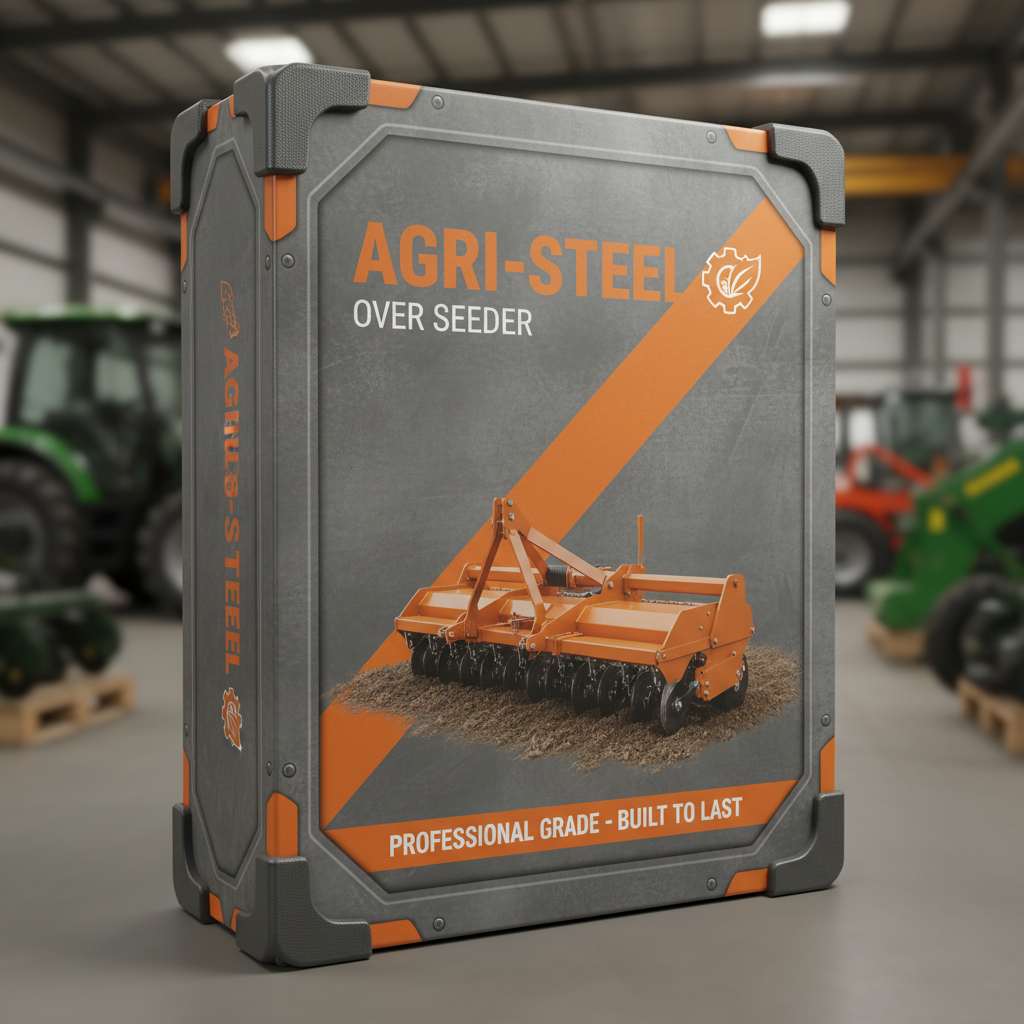
The Combined Precision Seeder represents a paradigm shift in planting technology, functioning as an all-in-one solution that integrates precision seeding, soil tillage, fertilizer application, and seed coverage. Unlike traditional tools that require separate machinery for each stage, this system streamlines the entire process into a high-efficiency workflow, making it a cornerstone of modern agricultural infrastructure.
Designed for versatility, this equipment is engineered to handle a vast array of crops, from grains like wheat and corn to oilseeds such as soybeans and canola, and even delicate vegetables like carrots and tomatoes. Its ability to adapt to different seed sizes and soil textures ensures that it remains effective across varying geographical regions and climatic conditions.
At its heart, the machine is a tool for precision. By utilizing advanced metering systems powered by hydraulic or electric drives, it removes the guesswork from planting, ensuring that every seed is placed at the exact depth and spacing required for optimal germination, thereby reducing waste and maximizing the potential yield of every acre.
Core Components of High-Efficiency Seeding Systems
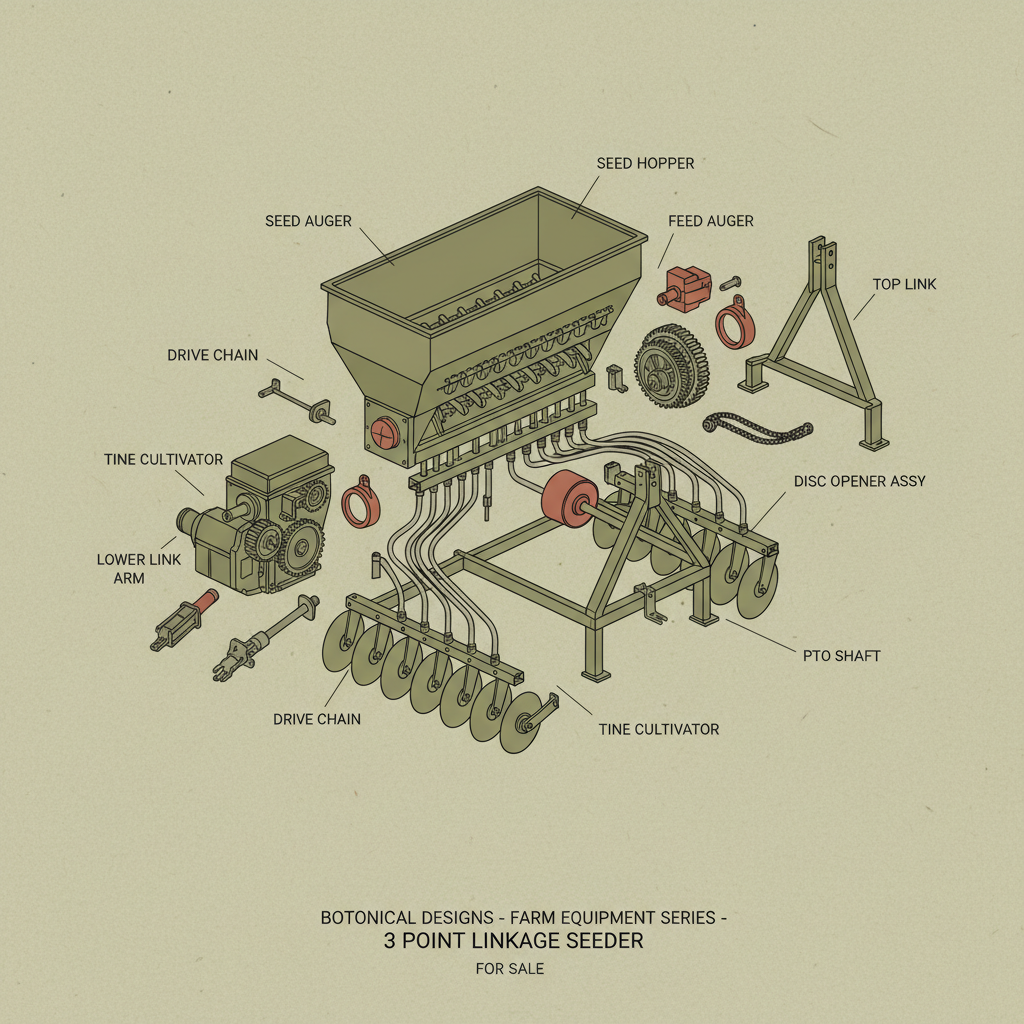
To understand the efficiency of all farm equipment in the seeding category, one must look at the integrated metering system. This component allows for adjustable seed depths ranging from 1 to 10 cm and spacing from 5 to 30 cm, ensuring that crops have the necessary room to grow without competing for resources.
Another critical element is the starter fertilizer placement system. By delivering granular or liquid nutrients directly into the seed zone rather than broadcasting them across the field, this specialized part of the all farm equipment ecosystem reduces nutrient runoff by 20-25% and accelerates early root development.
Finally, the structural integrity provided by high-grade steel frames and the inclusion of press wheels ensures that the soil is firmly packed around the seed. This maximizes moisture retention, which is the most critical factor for successful sprouting, particularly in arid regions where water conservation is a primary concern for those utilizing all farm equipment.
Comparative Performance of Precision Planting
When comparing precision seeding to traditional methods, the most striking difference is the reduction in input waste. Traditional broadcasting or low-precision seeding often leads to over-seeding or gaps in the row, whereas precision systems can reduce seed waste by up to 30% by ensuring exact placement every time.
Furthermore, the integration of tillage and pressing into a single pass reduces fuel consumption and operational costs. This holistic approach to planting not only saves the farmer money but also protects the soil from the repeated compaction caused by multiple heavy machine passes.
Efficiency Ratings of Different Seeding Methods
Global Applications Across Diverse Crop Types
The versatility of the Combined Precision Seeder allows it to be deployed in various agricultural settings, from the vast corn and soybean belts of North America to the intensive vegetable gardens of Southeast Asia. Its ability to switch between different seed metering discs and adjustable spacing makes it an indispensable tool for farmers who rotate crops to maintain soil health.
In large-scale commercial plantations, the integration of GPS guidance and telemetry systems transforms the planting process into a data-driven operation. Farmers can monitor seeding rates and fertilizer usage in real-time through a digital interface, ensuring that no area of the field is under-served and no resources are wasted, which is a key goal for anyone managing all farm equipment.
Long-Term Value and Sustainability Benefits
The long-term value of adopting precision machinery extends beyond simple profit margins to the core of sustainable farming. By reducing the environmental footprint—specifically through the reduction of carbon emissions from fewer tractor passes and the mitigation of water pollution via targeted fertilizer delivery—this equipment aligns agricultural productivity with ecological preservation.
Moreover, the use of high-grade, corrosion-resistant steel ensures that the machinery has a long operational lifespan, reducing the need for frequent replacements and decreasing the industrial waste associated with farm machinery. This durability provides farmers with a reliable asset that maintains its value over decades of heavy use.
From a social perspective, the reduction in manual labor allows farming operations to become more manageable, reducing the physical strain on workers and allowing for a more strategic approach to farm management. This shift empowers farmers to focus on agronomic science and data analysis rather than repetitive manual toil.
Future Innovations in Agricultural Machinery
Looking forward, the next frontier for all farm equipment is the full integration of AI and autonomous operation. We are seeing a move toward "smart" seeders that can adjust planting depth and spacing in real-time based on sensor data reading the soil moisture and texture, ensuring optimal conditions for every single seed.
Digital transformation will also bring more advanced telemetry, where seeders can communicate directly with crop management software to create "prescription maps." This means the machine will automatically vary the seeding rate across a field based on the specific productivity potential of different soil zones.
Sustainability will continue to drive innovation, with a focus on compatibility with no-till and reduced-till systems. Future designs will likely emphasize even lower-impact soil engagement and the use of bio-based materials for wear parts, further reducing the ecological footprint of global food production.
Core Analysis of Precision Seeding Innovations
| Innovation Feature |
Impact on Yield |
Resource Saving |
Sustainability Score |
| Combined Pass System |
High |
Fuel & Time |
9/10 |
| Precision Metering |
Very High |
Seed Waste |
8/10 |
| Targeted Fertilization |
High |
Nutrient Runoff |
10/10 |
| GPS Row Alignment |
Medium |
Overlap Reduction |
7/10 |
| Adjustable Press Wheels |
Medium |
Moisture Retention |
8/10 |
| Telemetry Interface |
Medium |
Management Effort |
9/10 |
FAQS
Traditional seeders typically only handle seed deposition. The Combined Precision Seeder integrates four critical functions—soil tillage, precision seeding, fertilizer application, and soil pressing—into a single pass. This not only saves significant time and fuel but also prevents the soil compaction caused by multiple machine passes, leading to better root growth and higher overall crop yields.
Yes, it is highly versatile. It is specifically engineered to adapt to grains (wheat, corn, rice), oilseeds (soybeans, canola), and various vegetables (tomatoes, carrots). This adaptability is achieved through an adjustable seed metering system that allows the operator to change depth (1-10 cm) and spacing (5-30 cm) to suit the specific requirements of each crop type.
On average, precision seeding technology can reduce seed waste by up to 30% by eliminating over-seeding. Furthermore, targeted "starter fertilizer placement" delivers nutrients directly to the seed zone, which can reduce overall fertilizer waste by 20-25%. These savings directly lower input costs while reducing the environmental impact of nutrient runoff.
While not mandatory, optional GPS guidance and telemetry systems significantly enhance performance. They ensure precise row alignment, which eliminates overlaps and gaps in the field. This maximizes the usable area of the land and allows farmers to track seeding rates and field coverage in real-time via a digital interface, facilitating data-driven decision-making.
The machine is constructed using high-grade, heavy-duty steel for the frame and key components. This ensures maximum resistance to wear and corrosion, which is essential for equipment operating in sandy, loamy, or clay soils under heavy-duty use. Its design ensures it can withstand long working hours in challenging field environments without frequent breakdowns.
Absolutely. By reducing the number of passes across the field, it minimizes soil compaction and protects soil health. Additionally, its precision nutrient delivery prevents the runoff that often pollutes waterways. The system is designed to integrate seamlessly with reduced-till or no-till practices, helping farmers transition to conservation agriculture.
Conclusion
The adoption of high-efficiency agricultural machinery, specifically the Combined Precision Seeder, represents a critical leap forward in the way we manage our land and resources. By consolidating multiple field operations into a single, precise pass, farmers can drastically reduce waste, lower operational costs, and enhance the natural health of their soil. The synergy of precision metering, targeted fertilization, and smart technology creates a foundation for increased yields and long-term environmental stability.
As we look toward a future of autonomous farming and AI-driven crop management, the importance of robust, versatile, and precise equipment will only grow. Investing in advanced machinery is not just about immediate productivity; it is about building a resilient food system capable of sustaining a growing population while respecting the ecological limits of our planet. We encourage all modern agricultural operators to explore how these innovations can transform their productivity. Visit our website: www.langningam.com