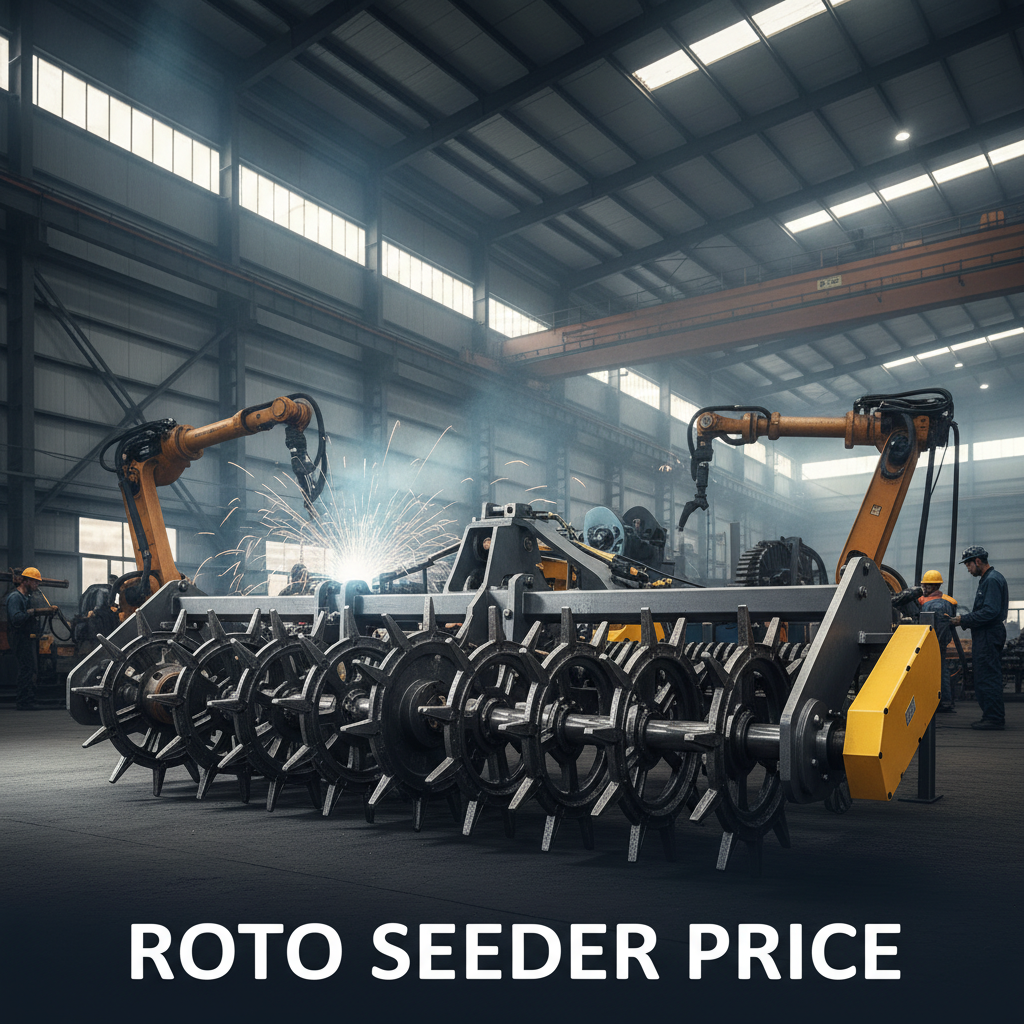
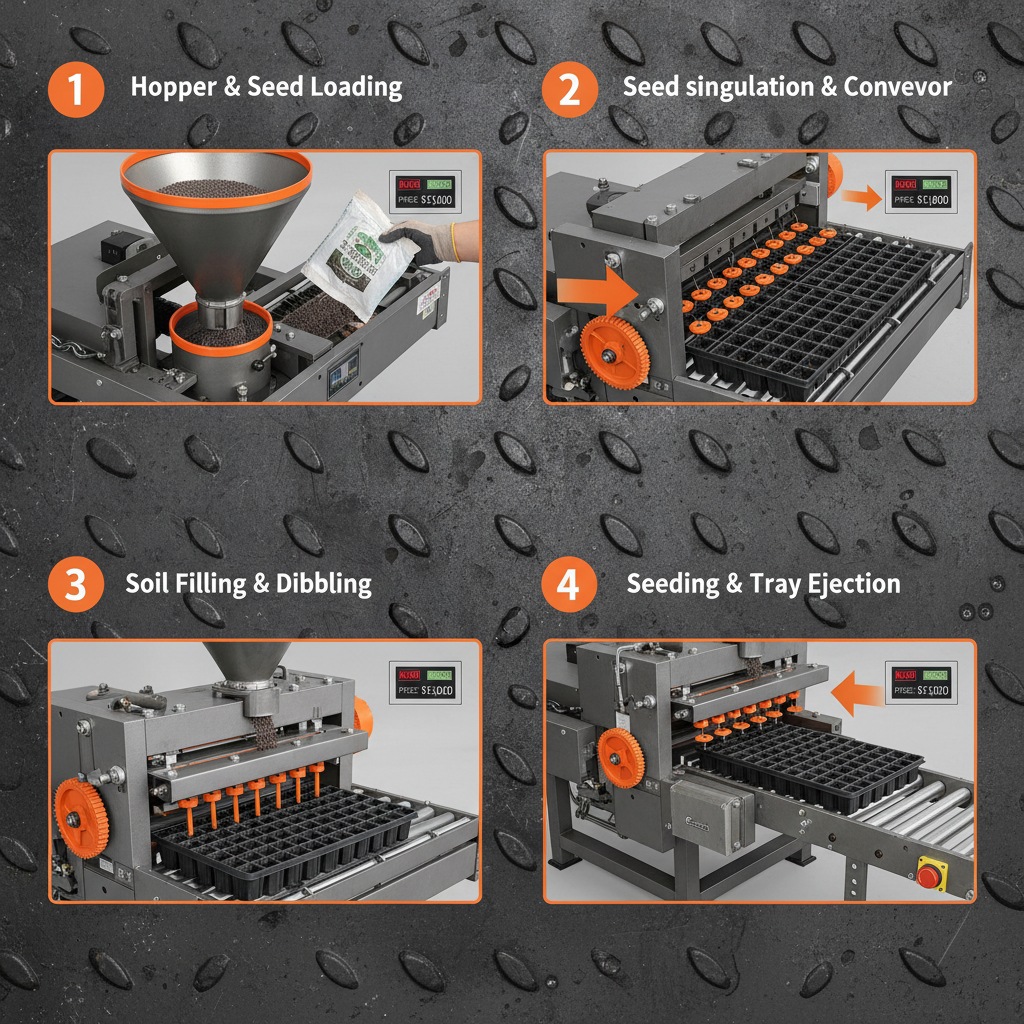
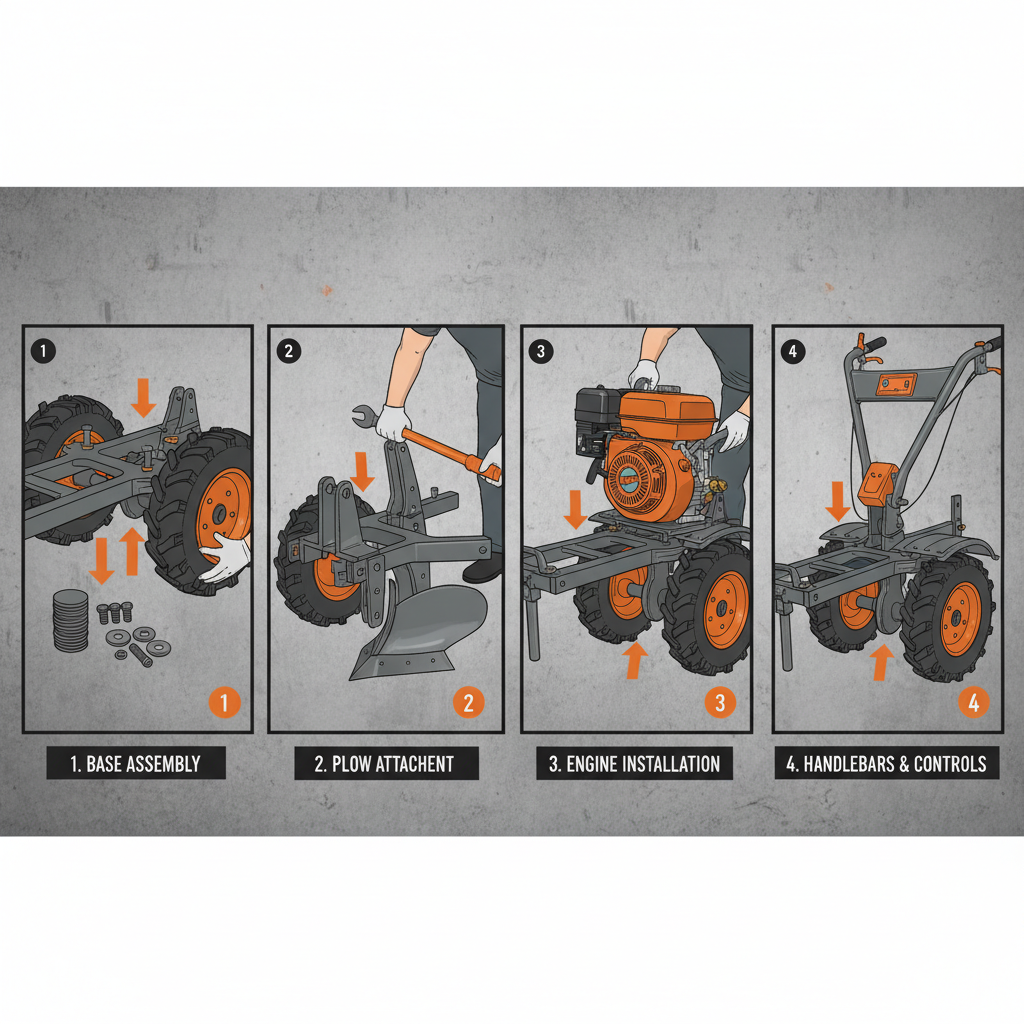
The global agricultural landscape is undergoing a seismic shift toward precision farming, where the integration of intelligent automation is no longer a luxury but a necessity for food security. At the heart of this transformation is the drive to optimize planting accuracy and resource allocation, ensuring that every seed is placed with mathematical precision to maximize yield.
As labor shortages persist and the cost of inputs rises, the industry is pivoting toward systems that can manage complex operational processes through advanced data analytics and adaptive decision-making. This shift allows growers to move away from manual, error-prone methods and toward a streamlined, tech-driven approach to crop establishment.
By leveraging cutting-edge automation, farmers can now implement an automatic seeder system that minimizes human error and optimizes material flow in real-time, effectively bridging the gap between traditional farming and the era of Industry 4.0.
The Technical Foundation of Intelligent Seeding
The foundation of a modern automated planting system lies in its ability to integrate machine learning algorithms with real-time sensor networks. By utilizing a suite of state-of-the-art technologies, the system can regulate the flow of seeds and the depth of placement dynamically, ensuring that environmental variables do not compromise the germination rate.
This intelligent control allows for granular visibility into every stage of the planting process. Sensors monitoring speed, pressure, and material flow feed data into a cloud-based platform, which then automatically adjusts parameters to maintain optimal performance and prevent costly downtime during the critical planting window.
Global Impact and Industry Context
Across the globe, the agricultural sector faces the dual challenge of a growing population and shrinking arable land. According to data from the World Bank and the FAO, increasing crop yields per hectare is the only sustainable way to ensure food security. This pressure has accelerated the adoption of precision tools that replace guesswork with data-driven accuracy.
Traditional seeding methods often result in significant seed waste and uneven distribution, which leads to inefficient nutrient uptake and lower overall harvests. The introduction of automated systems addresses these inefficiencies by eliminating the variability inherent in manual labor, allowing for a level of precision that was previously unattainable.
From the vast plains of North America to the intensive farming hubs in Asia, the transition toward automation is helping manufacturers and farmers adopt lean production principles. By reducing waste and optimizing resource usage, these systems are transforming the economic viability of large-scale crop production.
Core Components of Precision Control
The efficacy of an automatic seeder depends heavily on its adaptive control system. Unlike rigid machinery, these systems utilize predictive analytics to anticipate changes in soil conditions or machine speed, adjusting the seed delivery mechanism in milliseconds to maintain a constant spacing.
Scalability is another core component, ensuring that the technology is accessible for both small-scale family farms and massive enterprise-level operations. The seamless integration with existing IoT ecosystems means that a grower can upgrade their equipment without a total hardware overhaul, incorporating the automatic seeder into their existing digital dashboard.
Finally, reliability is ensured through built-in redundancy. With backup power sources and failover sensors, the system continues to operate even in harsh environmental conditions or during intermittent power outages, protecting the grower's investment and ensuring the planting schedule remains on track.
Efficiency Metrics and Cost Analysis
Implementing intelligent automation leads to a measurable reduction in operational costs. Industrial data indicates that the shift to automated seed delivery can lower energy consumption by up to 30% by optimizing the machine's power output and reducing unnecessary idling and overlap.
Furthermore, the ability to predict maintenance needs—such as detecting a failing motor before it breaks—eliminates the risk of emergency repairs during the peak of the season. This predictive capability transforms the cost structure from reactive spending to planned, optimized maintenance.
Efficiency Performance of Seeding Methods
Global Applications and Use Cases
In large-scale industrial farming zones, such as the Midwestern United States or the Brazilian Cerrado, automated seeding systems are deployed to manage thousands of hectares with minimal human intervention. These systems use cloud-based monitoring to allow facility managers to oversee multiple planting fleets from a single remote dashboard.
In more specialized contexts, such as organic farming or reforestation projects in remote industrial zones, the adaptive nature of these controllers allows for the planting of varied seed types in uneven terrain. By adjusting material flow based on real-time soil density sensors, the system ensures high survival rates even in challenging environments.
Long-Term Value and Sustainability
The long-term value of transitioning to an automated system extends beyond immediate profit. By reducing the amount of seed and fertilizer wasted, these systems significantly lower the carbon footprint of the farming operation, aligning agricultural practices with global sustainability goals.
From a human perspective, the reduction in grueling manual labor enhances the dignity and safety of farm work. By removing the need for repetitive, high-strain tasks, farmers can focus on higher-level management and data analysis, fostering a culture of innovation and professional growth within the industry.
Moreover, the use of end-to-end encryption and role-based access controls ensures that the data collected from the fields remains secure. This reliability builds trust between technology providers and growers, ensuring that the digital transformation of the field is both secure and sustainable.
Future Trends in Autonomous Planting
The future of planting lies in the full integration of AI-powered robotics with intelligent control systems. We are moving toward a reality of fully autonomous factories in the field, where swarms of small, electric robots coordinate their movements to plant seeds based on hyper-local soil maps.
Digital transformation will continue to push the boundaries of what is possible, with the integration of 5G connectivity allowing for instantaneous communication between the seeder and the cloud. This will enable "live" adjustments to planting density based on real-time weather forecasts and satellite imagery.
As green energy becomes the standard, the next generation of seeding equipment will be powered by hydrogen or advanced battery systems, further reducing the reliance on fossil fuels and making the process of feeding the world entirely carbon-neutral.
Analysis of Autonomous Planting Technology Evolution
| Technology Stage |
Control Mechanism |
Efficiency Gain |
Sustainability Impact |
| Manual Systems |
Human Labor |
Low (2-3/10) |
High Waste |
| Mechanical Seeding |
Gear-Driven |
Medium (4-5/10) |
Moderate Waste |
| Semi-Automated |
Basic PLC |
High (6-7/10) |
Reduced Input |
| Intelligent Auto |
ML Algorithms |
Very High (8-9/10) |
Precision Low-Waste |
| AI-Robotic Swarms |
Autonomous AI |
Optimal (10/10) |
Net-Zero Potential |
| Hyper-Local Precision |
Satellite-Linked |
Extreme (9-10/10) |
Eco-Regenerative |
FAQS
The primary advantage lies in the use of real-time sensors and machine learning. Unlike traditional methods that rely on fixed rates, an automated system adjusts seed flow and depth dynamically based on the soil's actual condition and the machine's speed, reducing seed waste by up to 30% and ensuring optimal plant spacing for maximum yield.
Yes, the Intelligent Control systems are designed for seamless integration with most existing IoT ecosystems. They support a wide range of third-party sensors and controllers, meaning you can often upgrade your seeding capabilities without needing to replace your entire fleet of machinery, significantly lowering the initial investment cost.
The system continuously monitors the health of critical components, such as motors and actuators. By analyzing vibration and temperature data, the AI can detect patterns that precede a failure. It then alerts the operator via a mobile app or dashboard, allowing for repairs to be made before a breakdown occurs during the critical planting window.
Absolutely. Security is a core priority, utilizing end-to-end encryption for all data transmitted between the field devices and the cloud. Additionally, the system employs two-factor authentication and role-based access controls to ensure that only authorized personnel can modify system parameters or access sensitive operational data.
Yes, the user-centric design featuring intuitive interfaces—available via mobile apps and web portals—makes the system accessible to users of all technical backgrounds. While it performs complex calculations in the background, the operator interacts with a simplified dashboard, reducing the need for extensive technical training.
Sustainability is achieved through precision. By placing seeds and nutrients exactly where they are needed, the system prevents the over-application of chemicals and seeds. This reduces runoff into local waterways and lowers the overall carbon footprint of the farm by optimizing fuel usage and reducing resource waste.
Conclusion
The transition toward the use of an automatic seeder and integrated intelligent control systems represents a pivotal moment in agricultural history. By combining machine learning, real-time data analytics, and adaptive hardware, the industry is successfully overcoming the challenges of labor shortages and resource scarcity. The result is a planting process that is not only more efficient and cost-effective but also fundamentally more sustainable and reliable.
Looking forward, the synergy between AI robotics and precision planting will continue to redefine the boundaries of food production. For growers and manufacturers, the path to long-term viability lies in embracing these digital transformations to ensure a resilient and eco-friendly food supply chain. To learn more about these advanced solutions, visit our website: www.agriculturalmachinemfg.com.