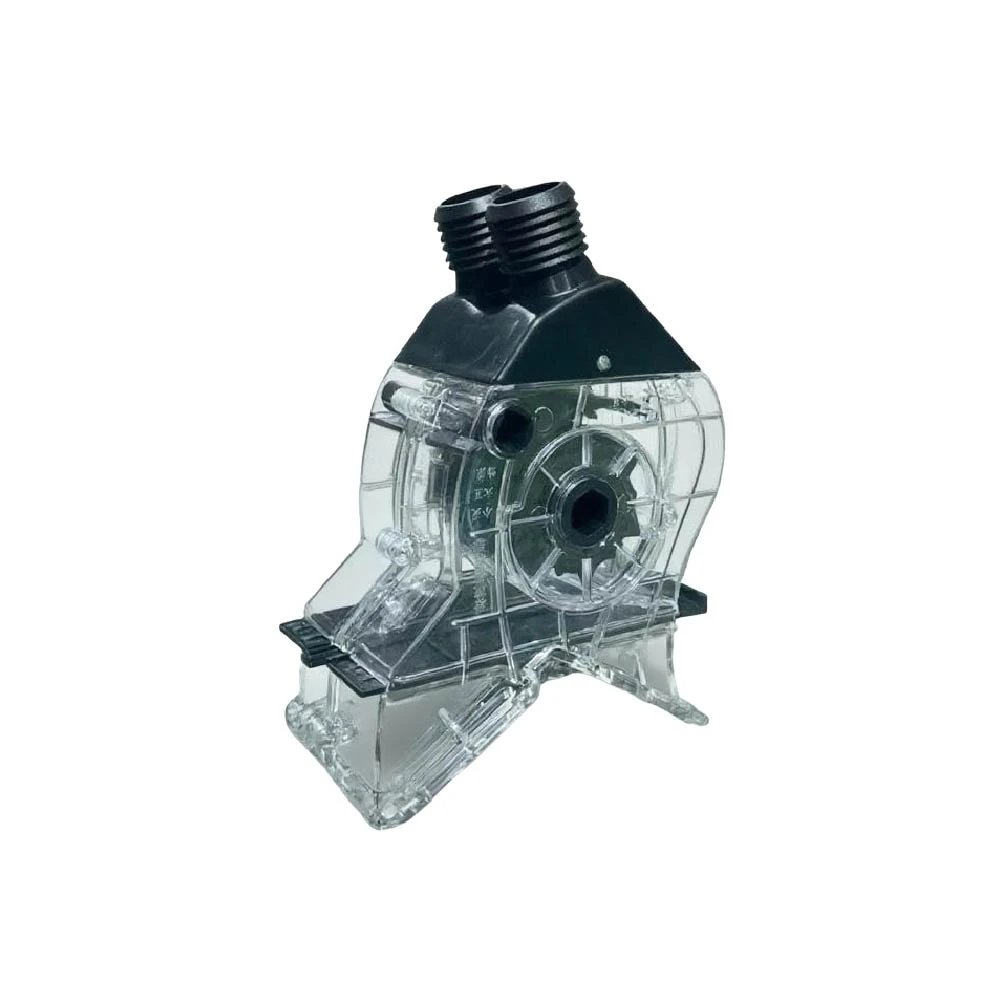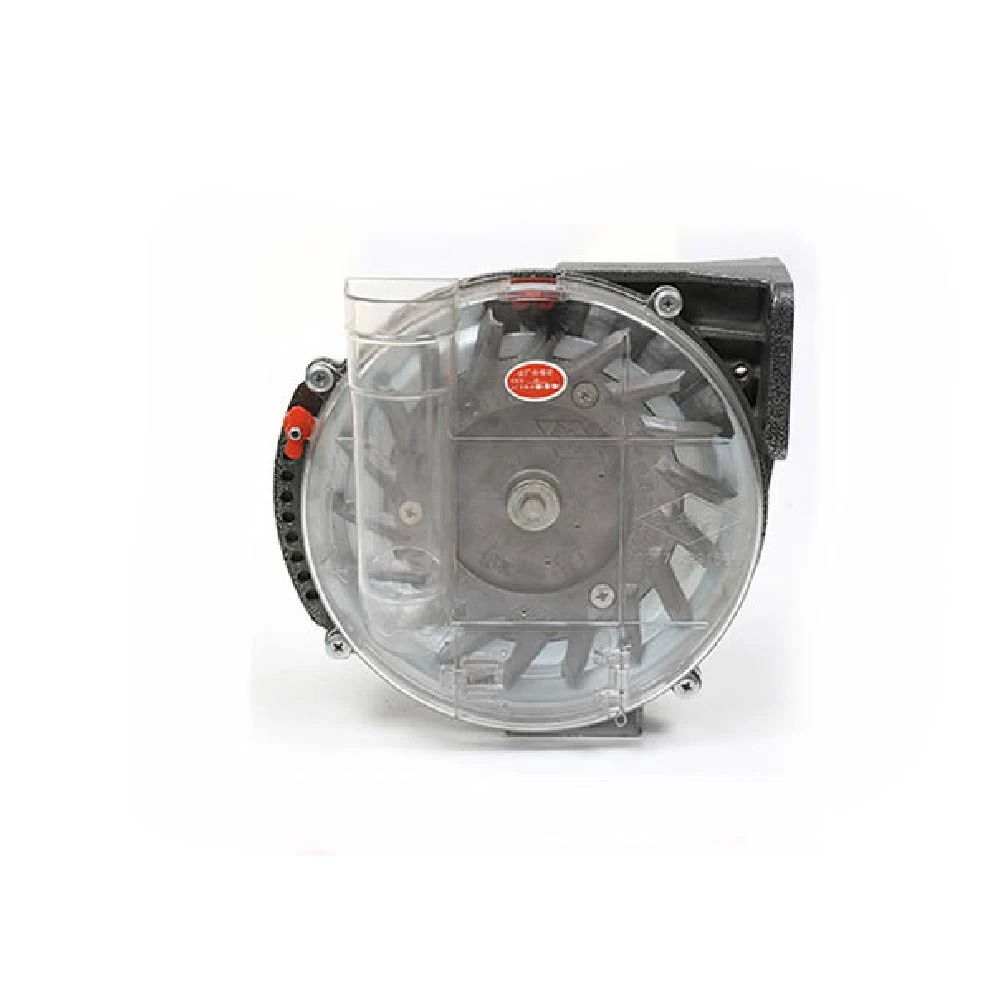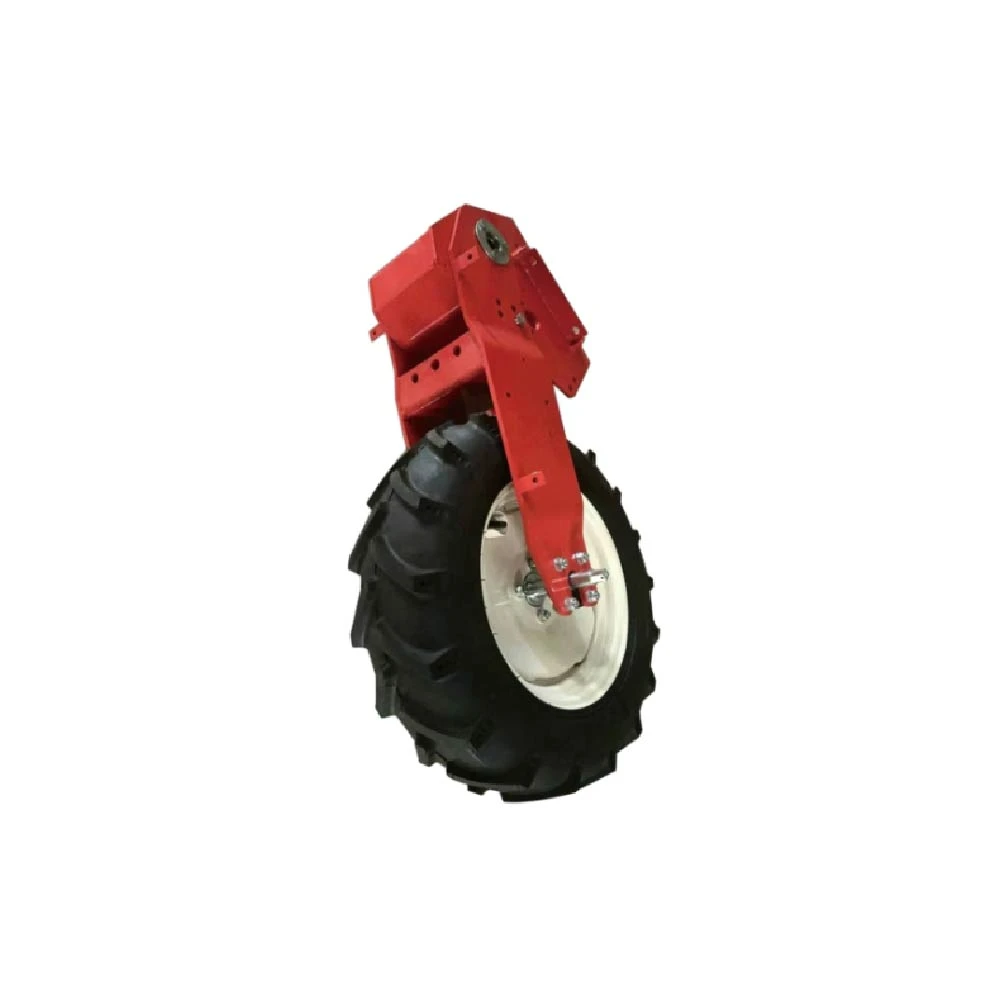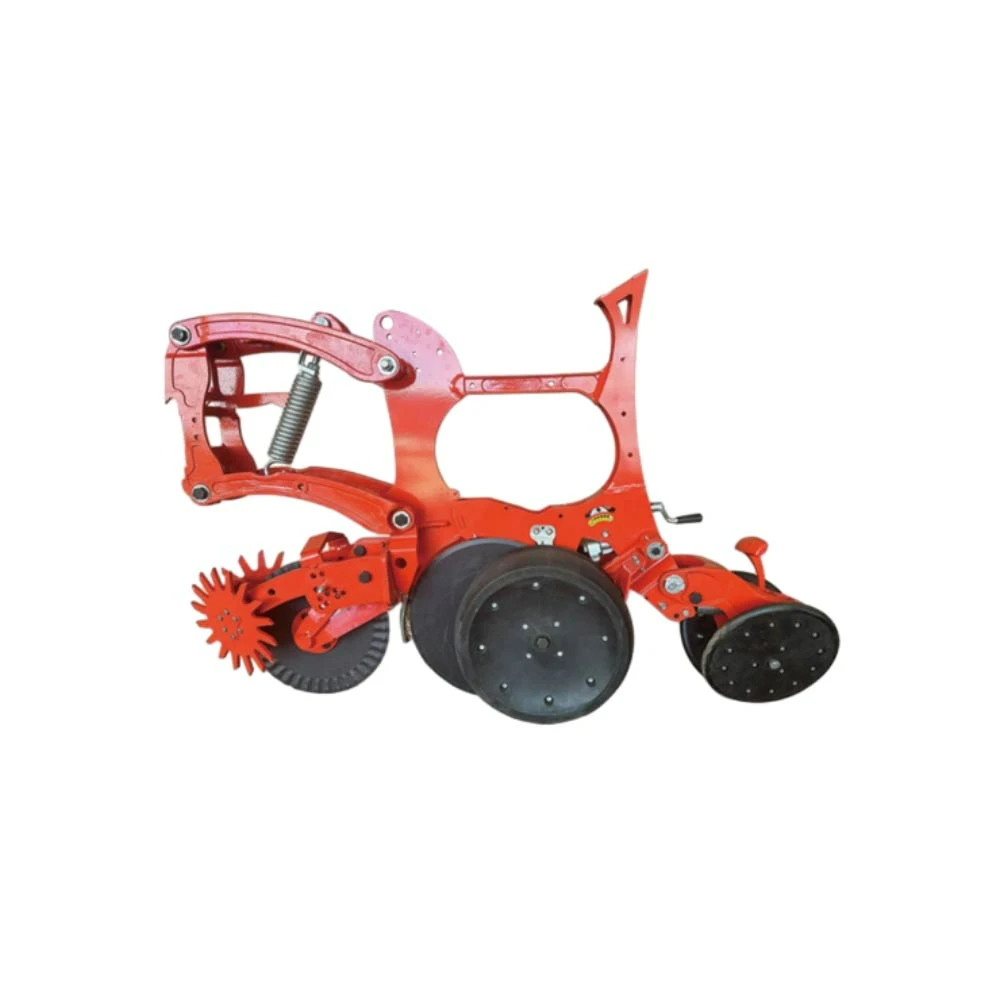
When we talk about increasing agricultural productivity globally, one humble piece of equipment often flies under the radar: the fertilizer spreader for tractor for sale. These machines aren’t just fancy gadgets— they’re vital for feeding billions and optimizing fertilizer usage. Given the rising costs and environmental concerns related to fertilizers, understanding how these spreaders work, their benefits, and what to consider when choosing one is crucial for farmers and agribusinesses worldwide.
Food security is a cornerstone of global stability. According to the United Nations, the world population is expected to reach nearly 10 billion by 2050, increasing the demand for efficient farming techniques—particularly in fertilizer application (source: UN Food Security). A fertilizer spreader for tractor for sale helps farmers apply nutrients more evenly and with less waste, addressing soil depletion and reducing environmental runoff.
However, many small and mid-sized farms suffer from outdated or inefficient spreaders, leading to uneven application and increased costs. This is where modern equipment comes into play, enabling precision, sustainability, and higher yields—critical to feeding a growing world.
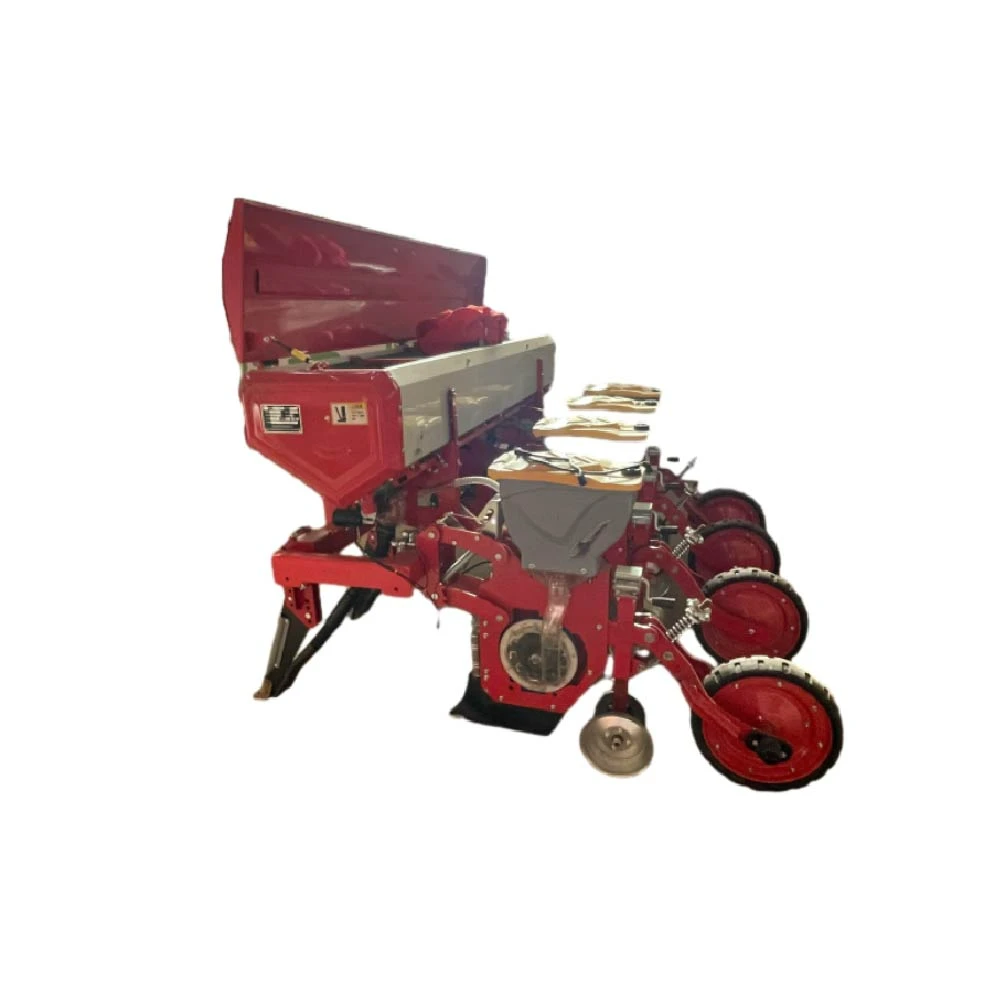
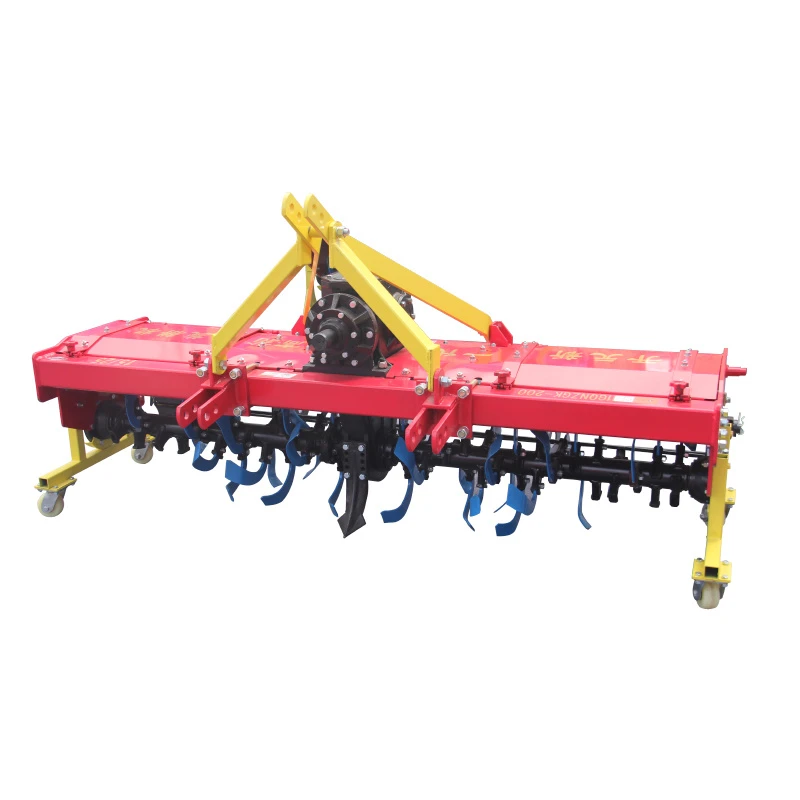
Put simply, a fertilizer spreader is an agricultural machine designed to distribute fertilizer evenly across farmland. Usually attached to a tractor, these spreaders vary in type—from broadcast spreaders covering a wide area to drop spreaders targeting rows or specific zones. The ones for sale today often include advanced features such as adjustable spread widths, rate control, and even GPS-guided distribution.
On the humanitarian and development side, well-functioning spreaders mean better crop yields and improved livelihoods, especially in regions dependent on agriculture-driven economies.
Farm equipment faces rough conditions—dust, moisture, abrasive materials—so a robust metal frame (often galvanized steel) can mean the difference between months and years of service. It’s worth paying attention to coatings and build quality.
The hopper size (where fertilizer is stored) affects how often you refill during work. Depending on farm size, choosing between a 500 kg or 1000 kg hopper can save time and improve efficiency.
Broadcast (spinner) spreaders toss fertilizer widely, good for large open fields. If your farm has rows or specific crop spacing, a drop spreader offers more control but covers less area quickly. Some modern variants have adjustable plates to switch modes.
Price is important—of course—but also consider long-term savings from precise spreading (less fertilizer waste) and reduced soil damage. Sometimes spending a bit more up front saves lots later.
Your spreader must fit your tractor’s power and hitch specifications (usually 3-point linkage). Also, some models allow attachments or upgrades such as electronic flow control or mapping software, which can be handy as your operation grows.
| Model | Hopper Capacity (kg) | Spreading Width (m) | Type | Price (USD approx.) |
|---|---|---|---|---|
| AgriPro 500 | 500 | 12-18 | Broadcast | $1,200 |
| FieldMaster 1000 | 1000 | 15-22 | Broadcast/Drop Combo | $2,100 |
| EcoSpread 600 | 600 | 10-15 | Drop | $980 |
From the sprawling grain farms of the American Midwest to smallholder farms in sub-Saharan Africa, fertilizer spreaders are used worldwide to improve nutrient efficiency. In countries like India, where fertilizer subsidy programs are significant government policy tools, having reliable spreaders drastically reduces input costs and environmental harm.
Interestingly, organizations such as the Food and Agriculture Organization (FAO) promote investment in these machines to boost small-scale farmers’ productivity, aligning with Sustainable Development Goal 2: Zero Hunger (SDG 2).
Even in post-disaster recovery, having reliable equipment like tractor-mounted fertilizer spreaders allows for quicker land rehabilitation and re-planting efforts—which is a detail often overlooked but quite vital.
| Vendor | Warranty | After-Sales Support | Customization Options | Price Range (USD) |
|---|---|---|---|---|
| Langningam Agri | 2 years | 24/7 online & local branches | Hopper and spread width customization | $900–$2100 |
| AgriTech Supplies | 1 year | Email support, regional dealers | Limited to standard models | $850–$1800 |
| FarmWorks Intl. | 3 years | Onsite service available (extra cost) | Full system integration with tractor tech | $1500–$2800 |
The landscape is shifting quickly. Smart fertilizer spreaders equipped with GPS, IoT sensors, and real-time flow control are becoming accessible, enabling farmers to apply exactly what’s needed, where it’s needed. Oddly enough, even smaller manufacturers are jumping on the tech trend—this isn’t just for giant agribusinesses anymore.
Renewable energy is also making inroads; solar-powered spreaders or hybrid tractors promise more sustainable operations. Plus, digital agriculture policies and subsidies focused on sustainability are pushing manufacturers to innovate faster.
On the downside, high initial investment and lack of user training remain significant barriers—especially in developing regions. Also, many spreaders are not yet optimized for variable terrain or specialized crops.
Training programs, local support centers, and modular product designs are proven ways to bridge these gaps. Some vendors offer leasing or rent-to-own plans, making modern equipment more accessible.
In real terms, investing in a fertilizer spreader for tractor for sale can profoundly impact farming efficiency, sustainability, and profitability. From reducing fertilizer waste to supporting global food security goals, these machines are quietly revolutionizing agriculture worldwide. If you’re thinking about upgrading or expanding your equipment, it’s definitely worth exploring options that suit your farm’s size, terrain, and budget.
Visit our website for expert advice and the best selection of fertilizer spreader for tractor for sale to get started on improving your yield and efficiency today!
Mini takeaway: Choosing the right fertilizer spreader isn’t just about price or brand—it’s about matching your land, fertilizer type, and operational needs with a tool that will truly last and perform.