• 3 point linkage seeder for sale
  • Home
  • News
  • Big Farm Machinery: Enhancing Agricultural Efficiency
Jan 24, 2026 Back to list

Big Farm Machinery: Enhancing Agricultural Efficiency


Understanding the Role of Big Farm Machinery in Modern Agriculture

It’s funny, you know, how often people underestimate the sheer scale of modern agriculture. We’re talking about feeding billions, and frankly, that doesn’t happen with hand tools. That's where big farm machinery comes in – it's not just about size, though that’s part of it. It's about efficiency, precision, and increasingly, sustainability. I’ve been spending a lot of time lately with engineers who are pushing the boundaries of what's possible, and it’s impressive. They're constantly looking for ways to do more with less, and the machinery reflects that. It’s a complex ecosystem, and choosing the right equipment is crucial.

Table of Contents

Big Farm Machinery: A Deeper Dive

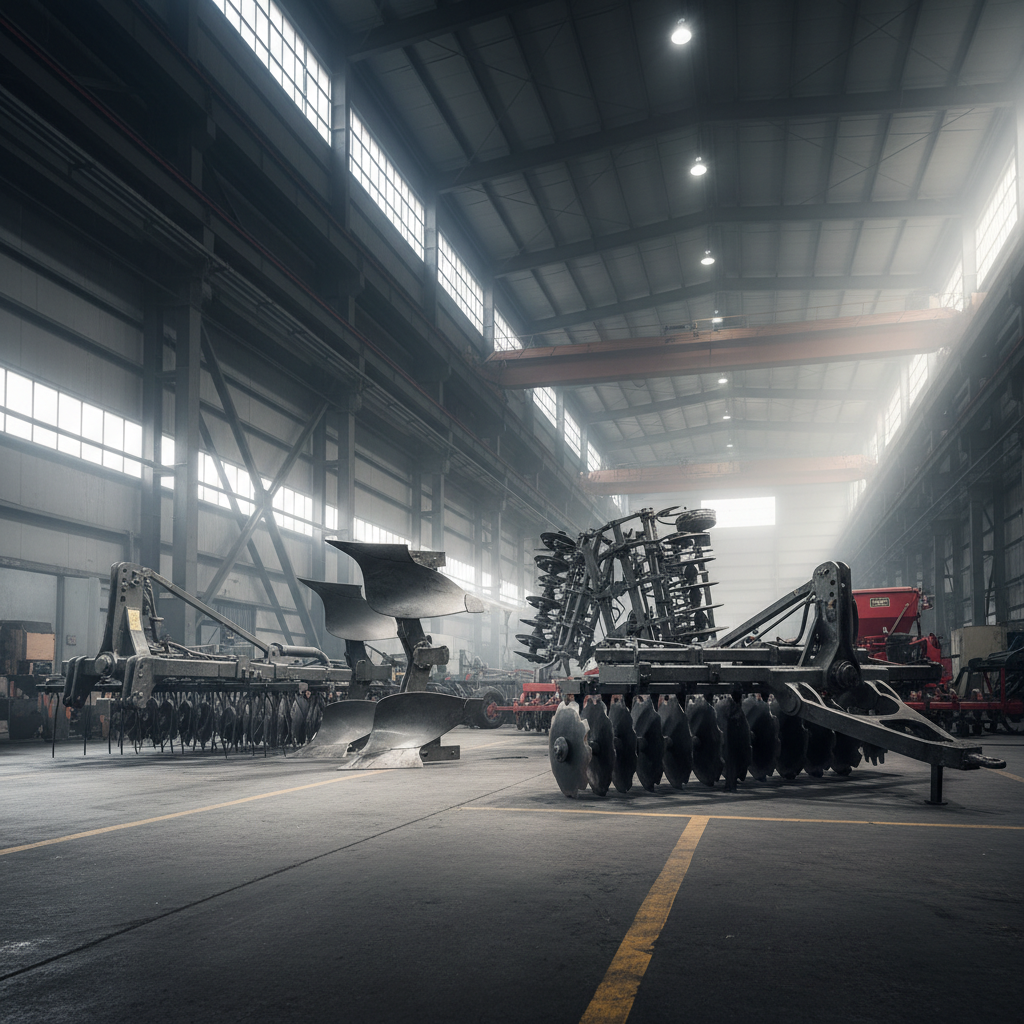
When we talk about “big farm machinery,” we’re generally referring to tractors, combines, planters, sprayers – the kind of equipment that handles large-scale cultivation and harvesting. But it's more nuanced than that. There’s a move towards precision agriculture, which means integrating sensors, GPS, and data analytics directly into the machinery. It’s kind of a shift from brute force to intelligent operation. Take the Langningam LX-500 combine, for example. It boasts a 15-meter header width, a 12-ton grain tank, and an automated self-leveling system. The steel used in the chassis is high-tensile, specially treated for corrosion resistance, and the engine is a Tier 4 Final compliant diesel – important for emissions regulations.

Specification Value Details
Header Width (LX-500 Combine) 15 meters Variable speed control
Grain Tank Capacity (LX-500 Combine) 12 tons Automated unloading
Engine (LX-700 Tractor) 300 HP Tier 4 Final Compliant

Applications & Advantages

You see this machinery used across pretty much every major crop – wheat, corn, soybeans, rice… even specialty crops like fruits and vegetables. The advantages are clear: increased efficiency, reduced labor costs, and higher yields. But it's more than just numbers. Precision agriculture, enabled by this machinery, allows farmers to optimize fertilizer use, minimize pesticide application, and conserve water. I spoke with a farmer in Iowa recently who said that implementing a GPS-guided sprayer reduced his chemical costs by 15% and improved his yields by 8%. That’s a significant return on investment. It’s also about timeliness – getting the job done when it needs to be done, not when you can get to it.

Vendor Key Features Price Range (USD)
Langningam Precision technology, durable build, Tier 4 Final engines $150,000 - $500,000+
John Deere Established brand, wide dealer network, advanced automation $180,000 - $600,000+
Case IH Powerful engines, robust construction, innovative harvesting systems $160,000 - $550,000+

Cost & Considerations

Let’s be real, big farm machinery is expensive. But the total cost of ownership is what you need to consider. That includes not just the purchase price, but also maintenance, fuel, repairs, and operator training. Many engineers say that preventative maintenance is key – regular inspections, oil changes, and component replacements can significantly extend the lifespan of the equipment. Durability is also a huge factor. You want a machine that can withstand the rigors of daily use, season after season. It feels like you're looking at a long-term investment, not just a one-time purchase.

The Future of Big Farm Machinery

The trend towards automation and data-driven agriculture is only going to accelerate. We’re already seeing the development of autonomous tractors and drones for crop monitoring. Sustainability is also a major driver of innovation – reducing emissions, minimizing waste, and optimizing resource utilization. I suppose the biggest challenge will be integrating these technologies seamlessly and making them accessible to farmers of all sizes. Regulations are also evolving, pushing manufacturers toward cleaner, more efficient designs. It's a dynamic landscape, to say the least.

Frequently Asked Questions about Big Farm Machinery

What is Big Farm Machinery and how does it work?
Big Farm Machinery refers to the large-scale equipment used in modern agriculture, like tractors, combines, and planters. These machines use advanced technologies like GPS, sensors, and automated systems to improve efficiency, precision, and yield in farming operations.
What are the main benefits of using Big Farm Machinery in industrial applications?
The key benefits include increased productivity, reduced labor costs, improved crop yields, optimized resource utilization (water, fertilizer), and enhanced data-driven decision-making for better farm management.
How does Big Farm Machinery compare to traditional alternatives?
Compared to traditional methods, Big Farm Machinery offers significantly higher efficiency, precision, and scalability. Modern machinery incorporates advanced technologies like GPS guidance, automated controls, and data analytics, which are not available in older systems.
What industries can benefit most from Big Farm Machinery implementation?
The primary sectors that benefit include large-scale grain farming, horticulture, viticulture, livestock management, and forestry. Any industry requiring extensive land cultivation or harvesting can benefit from implementing Big Farm Machinery.

Conclusion on Big Farm Machinery from china

Ultimately, big farm machinery isn’t just about bigger machines – it’s about smarter farming. It's a critical component of feeding a growing world, and the innovations we're seeing now are genuinely exciting. Visit our website: https://www.langningam.com.
Share:
news recommendation
Exploring Farm Implements and Machinery for Modern Agricultural Success
Mar 08, 2026
Exploring Farm Implements and Machinery for Modern Agricultural Success
The backbone of any successful agricultural operation lies in the quality and efficiency of its farm implements and machinery. From preparing the land to harvesting crops, the right equipment can significantly impact productivity, reduce labor costs, and ultimately, boost profitability. This article delves into the world of agricultural machinery, exploring key types, recent innovations, and considerations for choosing the best equipment for your specific needs. Understanding your options is critical for maximizing your farm's potential. Farm implements and machinery encompass a broad range of tools, each designed for specific agricultural tasks. Generally, they fall into several core categories. Preparation implements, like plows and cultivators, prepare the soil for planting. Planting implements, such as seed drills and planters, ensure efficient and accurate seed placement. Harvesting machinery, including combines and forage harvesters, gathers the crops. Material handling equipment – tractors, trailers, and conveyors – facilitates the movement of crops and supplies. Finally, Irrigation equipment plays a vital role in water management. Choosing the right combination of implements depends heavily on the type of farm, the crops grown, and the scale of the operation.
Precision Planting with the Professional Agro Drill Machine
Jul 06, 2026
Precision Planting with the Professional Agro Drill Machine
Precision planting has become a cornerstone of modern agricultural efficiency, moving away from the guesswork of traditional broadcasting toward a more scientific approach to crop establishment. The emergence of the agro drill machine concept in small-scale farming reflects a global shift toward maximizing yield while minimizing resource waste. By ensuring that every single seed is placed with surgical accuracy, growers can significantly reduce the competition between seedlings for vital nutrients and sunlight. On a global scale, the challenge of food security is often exacerbated by inefficient seeding practices that lead to high seed wastage and uneven crop growth.
Optimizing Farm Productivity with Modern Farm Machinery Implements
Mar 26, 2026
Optimizing Farm Productivity with Modern Farm Machinery Implements
Modern agriculture demands efficiency and precision. Farm machinery implements are the backbone of this productivity, transforming labor-intensive tasks into streamlined operations. This article explores the world of these crucial tools, examining their types, benefits, and selection criteria to help you optimize your farming endeavors. Choosing the right implements is vital for maximizing yield, reducing costs, and ensuring sustainable agricultural practices. At Langningam, we are committed to providing high-quality implements that meet the evolving needs of today's farmers. The spectrum of farm machinery implements is vast, catering to every stage of the agricultural process. Primary tillage implements, like plows and discs, prepare the soil for planting. Secondary tillage tools, such as harrows and cultivators, refine the seedbed. Planting implements, including seed drills and planters, ensure accurate seed placement. Harvesting implements, like combines and forage harvesters, gather the crops. Finally, material handling equipment, such as loaders and conveyors, facilitates efficient transport and storage. Understanding these categories is the first step in building a comprehensive toolkit for your farm.

If you are interested in our products, you can choose to leave your information here, and we will be in touch with you shortly.