THE BUYER'S GUIDE / SELECTION
A buyer-focused guide to selecting a Grain Seeder from Hebei Langning International Trade Co., Ltd. It covers crop fit, farm scale, hopper capacity, seeding-rate range, metering type, furrow and covering components, tractor horsepower and hitch compatibility, and optional GPS and digital display features. It also explains which details must be confirmed for each model before purchase.
Crop fit: the description lists wheat, corn, rice, barley and oats among the grain crops it can sow
Seeding rate: typically 5–30 kg/ha, matched to crop, soil quality and local practice
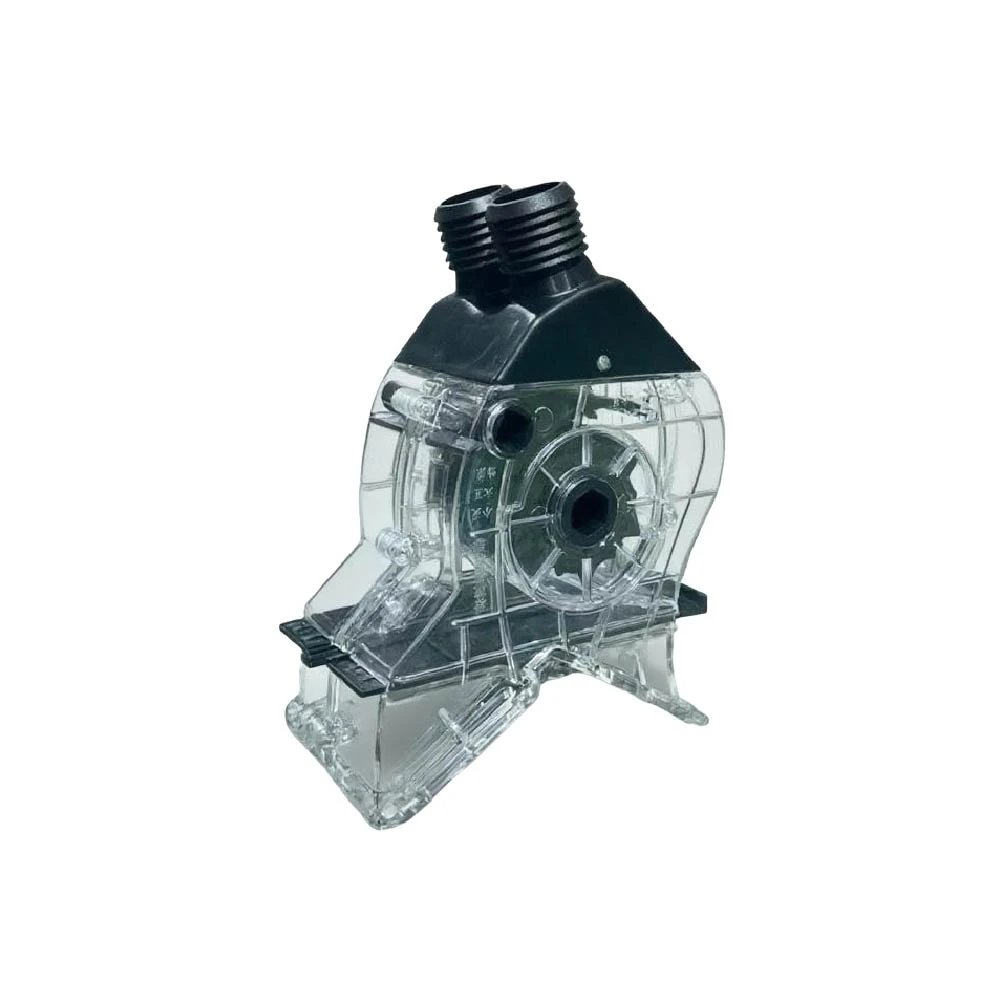
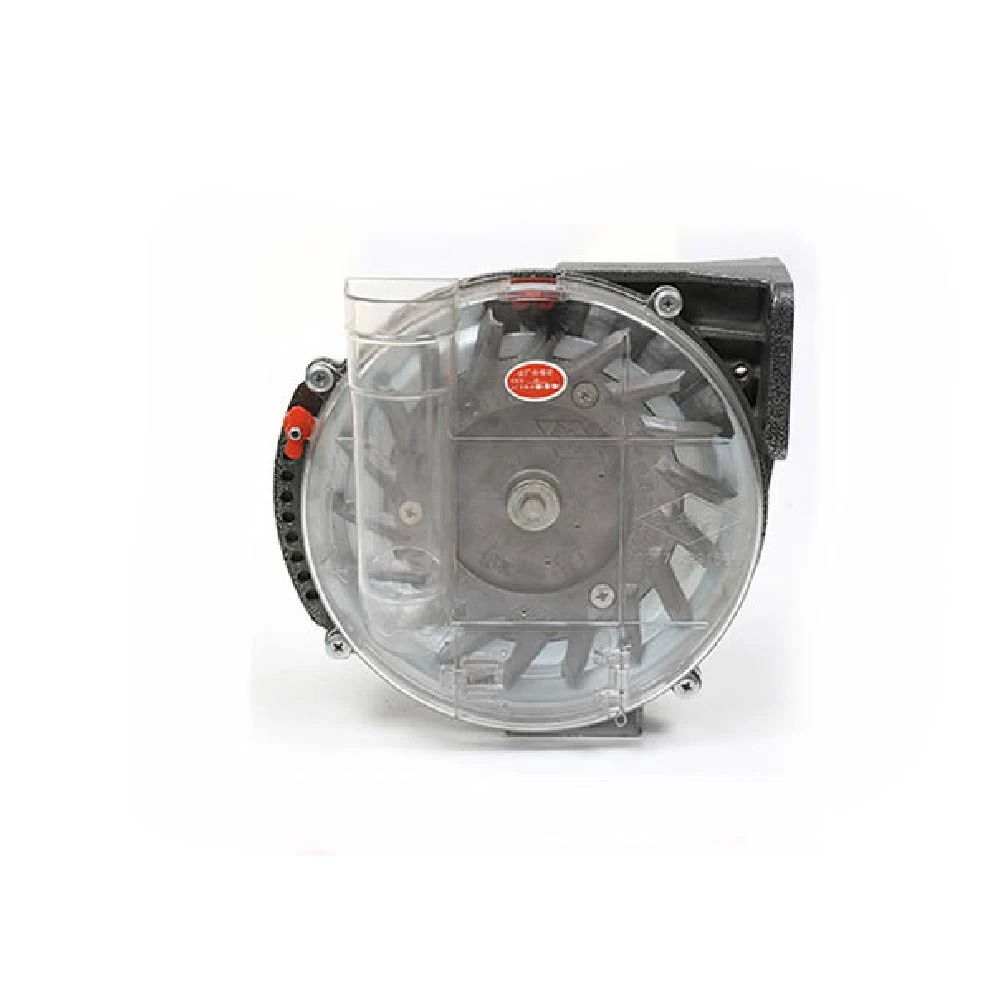
Metering system: adjustable gears, or electronic controls in premium models
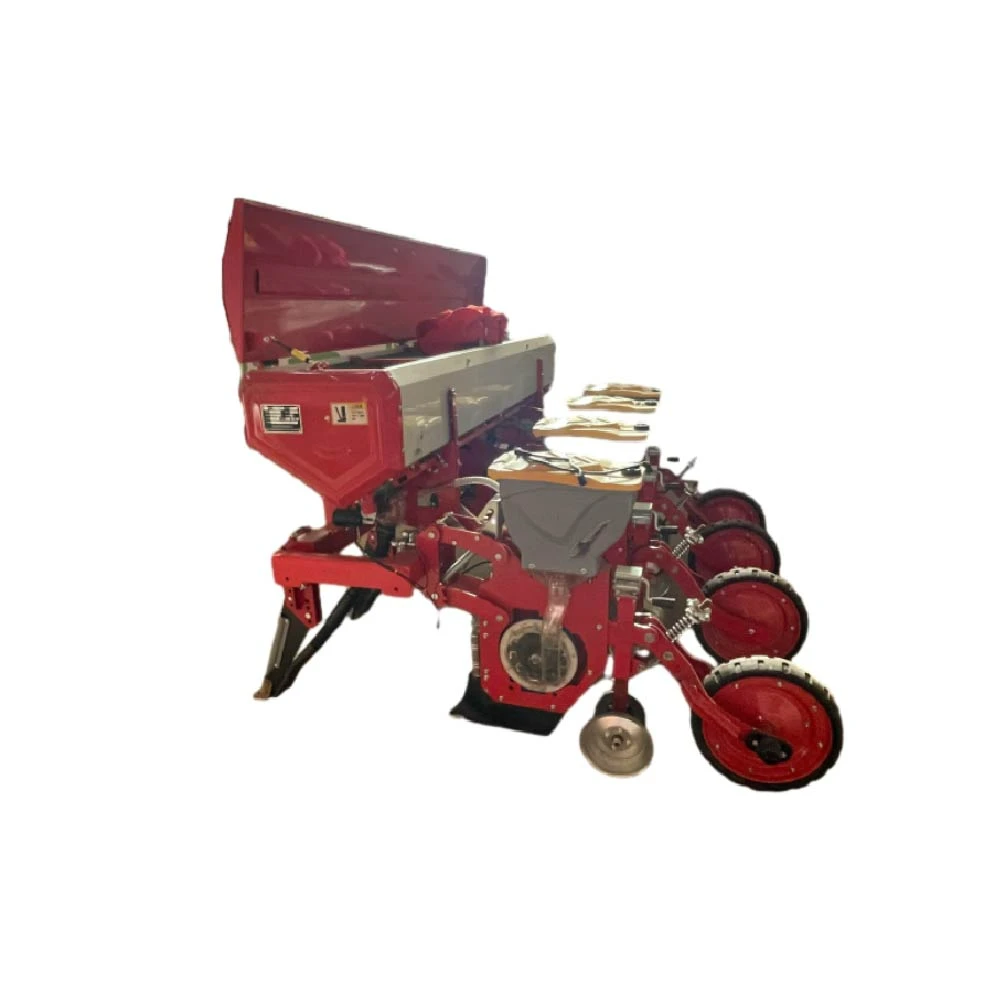
Seed hopper capacity: 50–200 liters depending on model
Tractor compatibility: about 20 HP for small models up to 100+ HP for large, multi-row units
Hitch: attaches with a three-point hitch
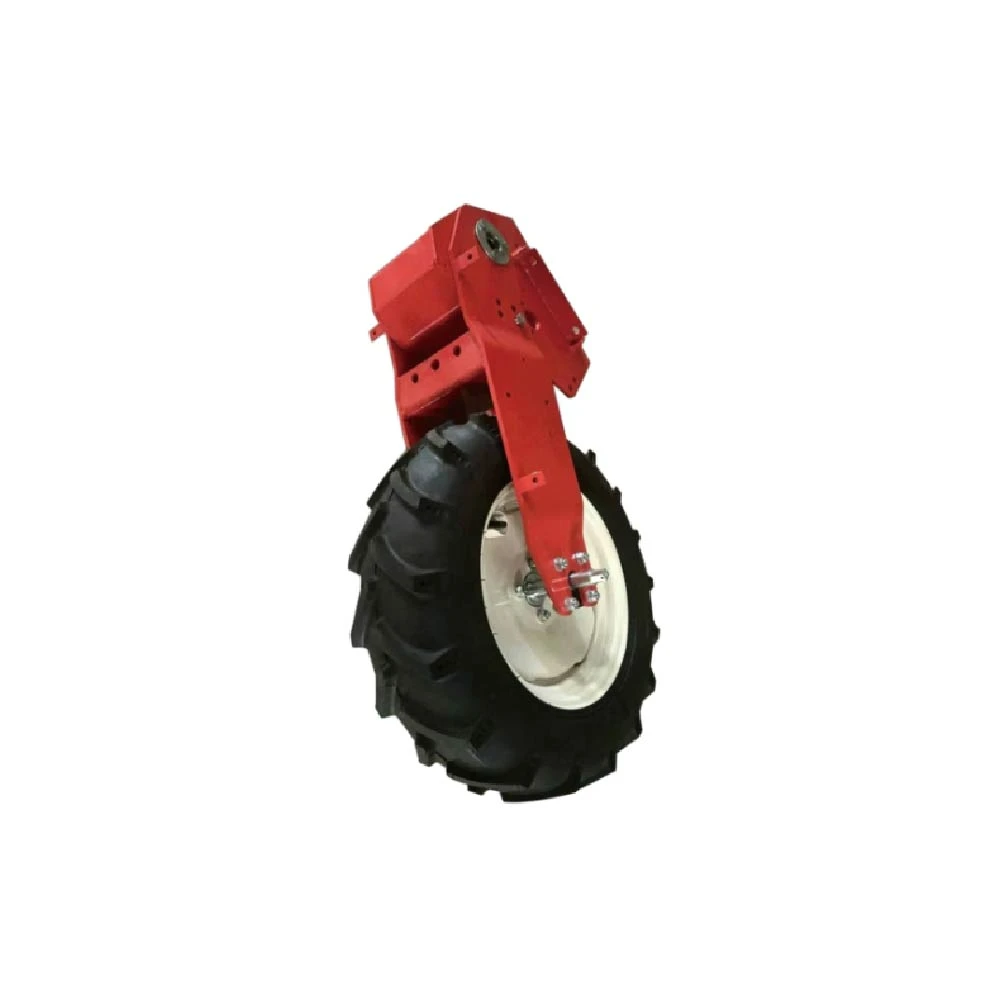
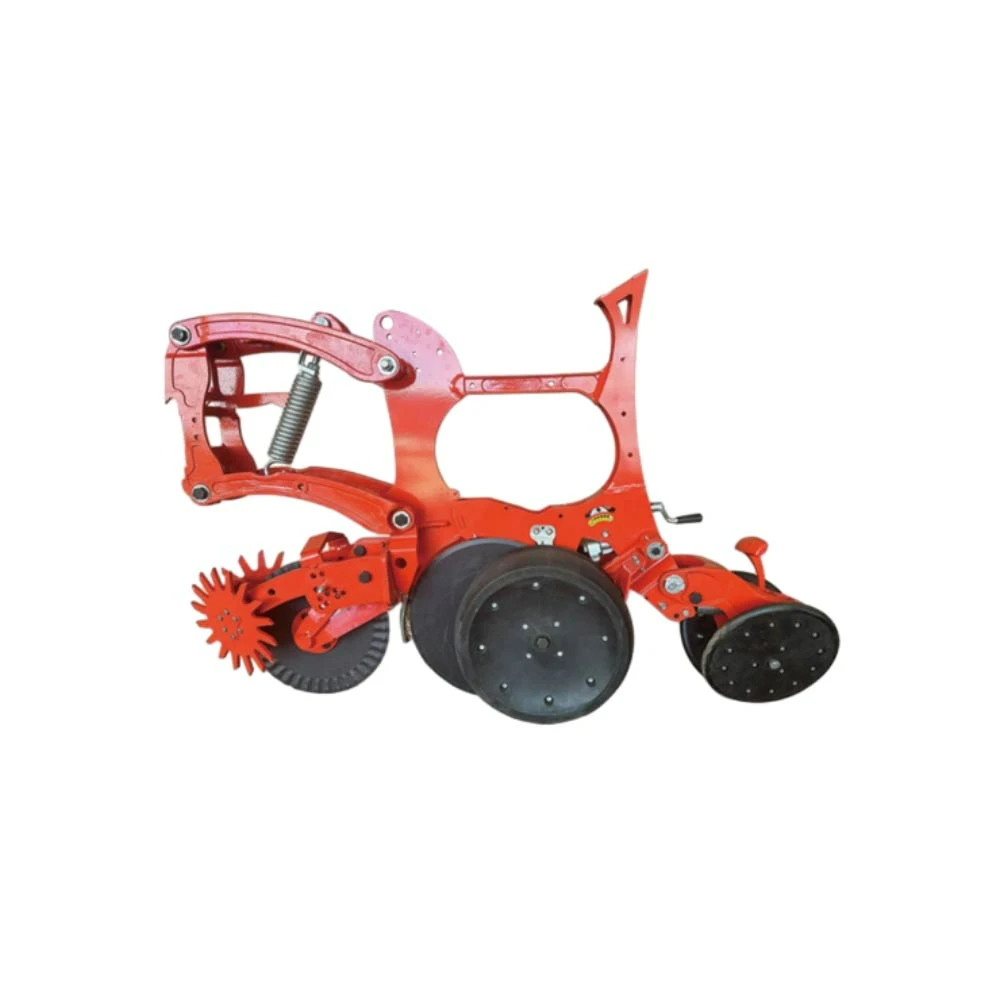
Furrowing and covering: precision sowing discs or tines, with press wheels or harrows for covering
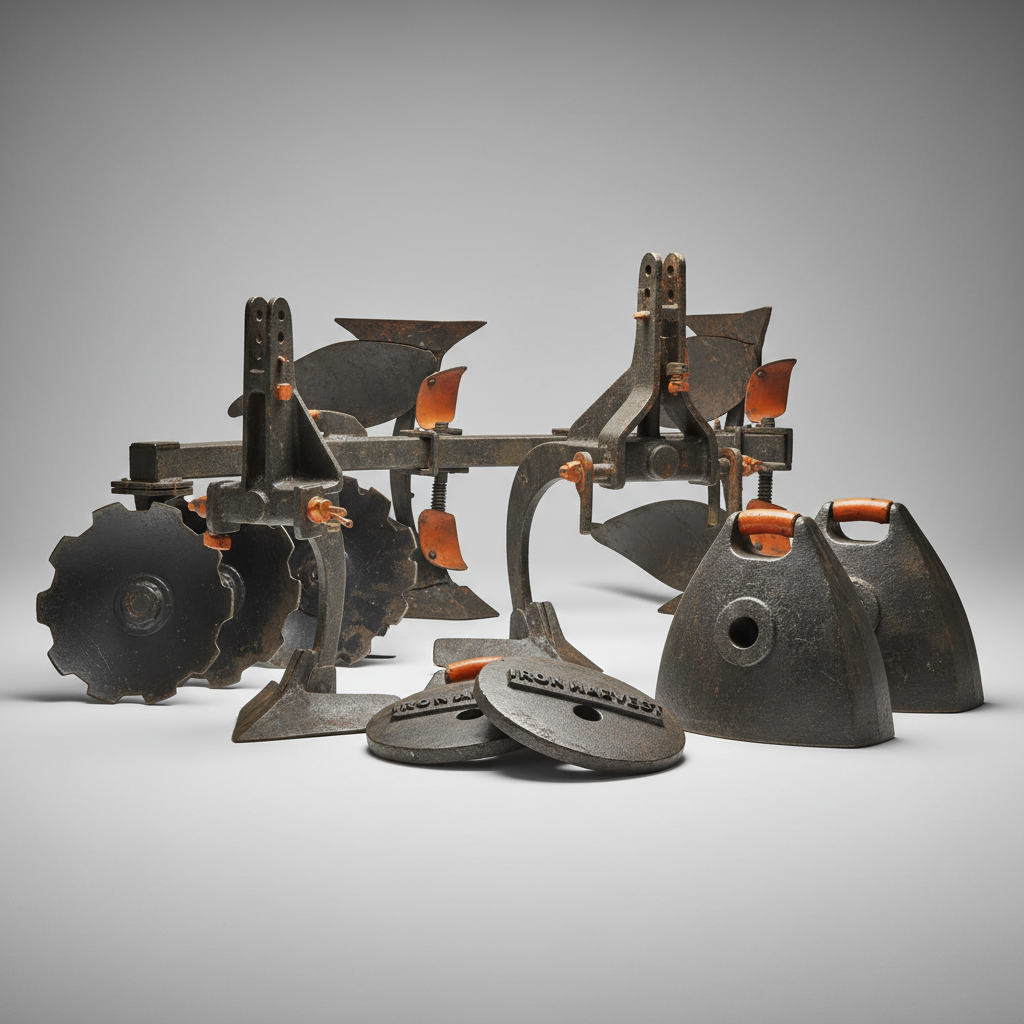
Construction for field conditions: corrosion-resistant high-grade steel frame with anti-rust coating, and hardened-steel discs and tines
Monitoring: GPS integration and digital displays on some advanced versions only
A Grain Seeder is only the right purchase if it fits your crops, your fields and the tractors you already run. This guide sets out the checks procurement teams and distributors should make when they assess the Grain Seeder offered by Hebei Langning International Trade Co., Ltd. It uses only the confirmed product description. Where the description says a feature depends on the model, confirm it for the exact unit you plan to buy.
Before you compare specifications, write down:
These answers tell you which configuration to ask about. They also show you when the Grain Seeder may not suit your operation.
The product description says the Grain Seeder is designed to sow a range of grain crops, including wheat, corn, rice, barley and oats. If you plan to sow other crops, or need a particular row spacing or seed size for your crops, the confirmed materials do not cover this. Ask for model-specific confirmation before you order.
According to the description, the metering system controls seed flow. Seeding rates are typically between 5 and 30 kilograms per hectare, set for the crop, soil quality and local practice. Adjustment works in one of two ways:
Selection check: Make sure your target seeding rate falls inside the range for the model you are quoted. Confirm whether that model uses gear or electronic metering. If your plan needs a rate outside the typical range, treat the recommendation as unconfirmed.
The product material says farmers reported a 15–25% cut in seed waste compared with conventional methods. This figure comes from the supplier's description, not from an independent test. Use it as a question for your supplier, not as a guaranteed result.
The description lists a seed hopper of 50 to 200 liters, depending on the model. A larger hopper means fewer refills and less downtime. Choose a capacity that matches your field size and refilling logistics, and confirm the exact volume for the model you are considering.
The description says the Grain Seeder works with tractors from about 20 HP for small models to 100+ HP for large, multi-row units. It attaches with a three-point hitch.
Selection check: Match the model to the horsepower of the tractors in your fleet, and confirm that they have a compatible three-point hitch. If your tractors use a different hitch, the confirmed materials do not support this application.
According to the description, the Grain Seeder uses precision sowing discs or tines to open even furrows. A covering mechanism, such as press wheels or harrows, then covers the seed with soil. Other construction points in the description:
Selection check: Ask which opener type (discs or tines) and which covering mechanism (press wheels or harrows) the quoted model has. Then compare them with your soil conditions.
The description says some advanced versions have GPS integration and digital displays. These let operators track seeding progress and area covered, and change settings in real time. They are not standard on every model. If you need them, state this in your inquiry and confirm them in the quotation.
| Criterion | What the confirmed material states | What to confirm per model |
|---|---|---|
| Crops | Wheat, corn, rice, barley, oats and other grains | Suitability for any other crop or seed size |
| Seeding rate | Typically 5–30 kg/ha | The model's exact range |
| Metering | Adjustable gears; electronic controls in premium models | Which system is fitted |
| Hopper | 50–200 L depending on model | Exact capacity |
| Tractor power | About 20 HP (small) to 100+ HP (large, multi-row) | Required HP for the chosen model |
| Hitch | Three-point hitch | Match with your tractor |
| Openers and covering | Discs or tines; press wheels or harrows | Configuration supplied |
| Monitoring | GPS and digital display on some advanced versions | Whether they are included |
The Grain Seeder may not fit, or must be confirmed first, if:
The confirmed materials include no pricing, lead times, certifications, warranty terms or independent test data. This article makes no claims about them. Ask Hebei Langning International Trade Co., Ltd. for these details directly and check them in your quotation and contract documents.
THE PEOPLE

About the author
THE COMPANY
Langning Agricultural Machinery Group of Companies.Since 2008 Langning Agricultural Machinery focused on innovative agricultural technology, creating exclusive solutions for each customer and different soils to improve crop production efficiency. Langning Group owns a series of sowing, tillage, AM accessories and AM electrical control products, providing a complete set of agricultural terminal solutions. Efficient and reliable products, timely and satisfactory services are our most basic work.
About Us ↗Visit company website ↗YOUR NEXT STEP
Use case, specification, quantity and delivery window: make the next conversation specific.