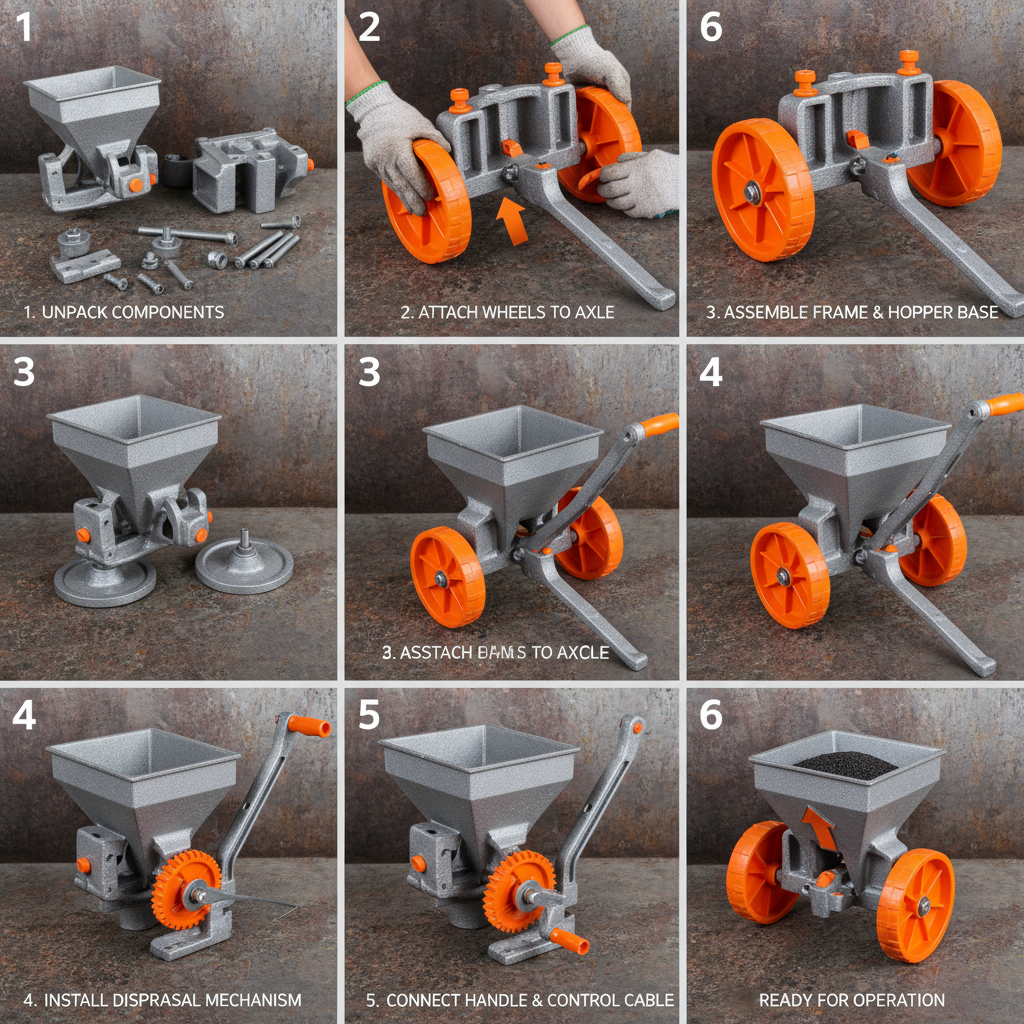
Modern agriculture is currently undergoing a digital transformation, where the demand for efficiency and precision has never been higher. To meet the growing global food demand, farmers are shifting away from traditional manual methods toward integrated machinery that can handle multiple tasks in a single pass. The emergence of the auto seeder machine represents a pivotal shift in how crops are established, ensuring that every seed has the best possible start in the soil.
Implementing advanced seeding technology is no longer just an option for large-scale commercial plantations but a necessity for sustainable farming across all scales. By integrating soil preparation, fertilization, and precise seed placement, these systems reduce the reliance on repetitive tractor passes, thereby lowering fuel consumption and protecting the soil structure. This holistic approach to planting addresses the critical need for resource optimization in an era of rising input costs and environmental scrutiny.
The Combined Precision Seeder, a sophisticated version of the auto seeder machine, leverages hydraulic and electric drives to eliminate the common pitfalls of over-seeding and under-seeding. By ensuring a consistent depth and spacing for a wide variety of crops—from grains and oilseeds to vegetables—this equipment maximizes germination rates and optimizes the overall yield. Understanding the mechanics and benefits of this technology is essential for any operation looking to enhance productivity while promoting ecological balance.
Global Relevance of Auto Seeder Machine Technology
On a global scale, the adoption of the auto seeder machine is driven by the urgent need to increase caloric output per hectare. According to food security reports, the volatility of climate patterns requires planting windows to be tighter and more precise. By automating the seeding process, agricultural operations can complete planting cycles significantly faster, ensuring that crops are in the ground at the absolute biological optimum for the local season.
Beyond mere speed, the global relevance lies in the reduction of waste. Traditional broadcasting methods often result in significant seed loss due to wind or improper depth, leading to wasted capital and lower germination. High-precision automated systems ensure that every seed is treated as a valuable asset, placed exactly where it has the highest probability of thriving, which is critical for maintaining food security in densely populated regions.
Defining the Combined Precision Seeder System
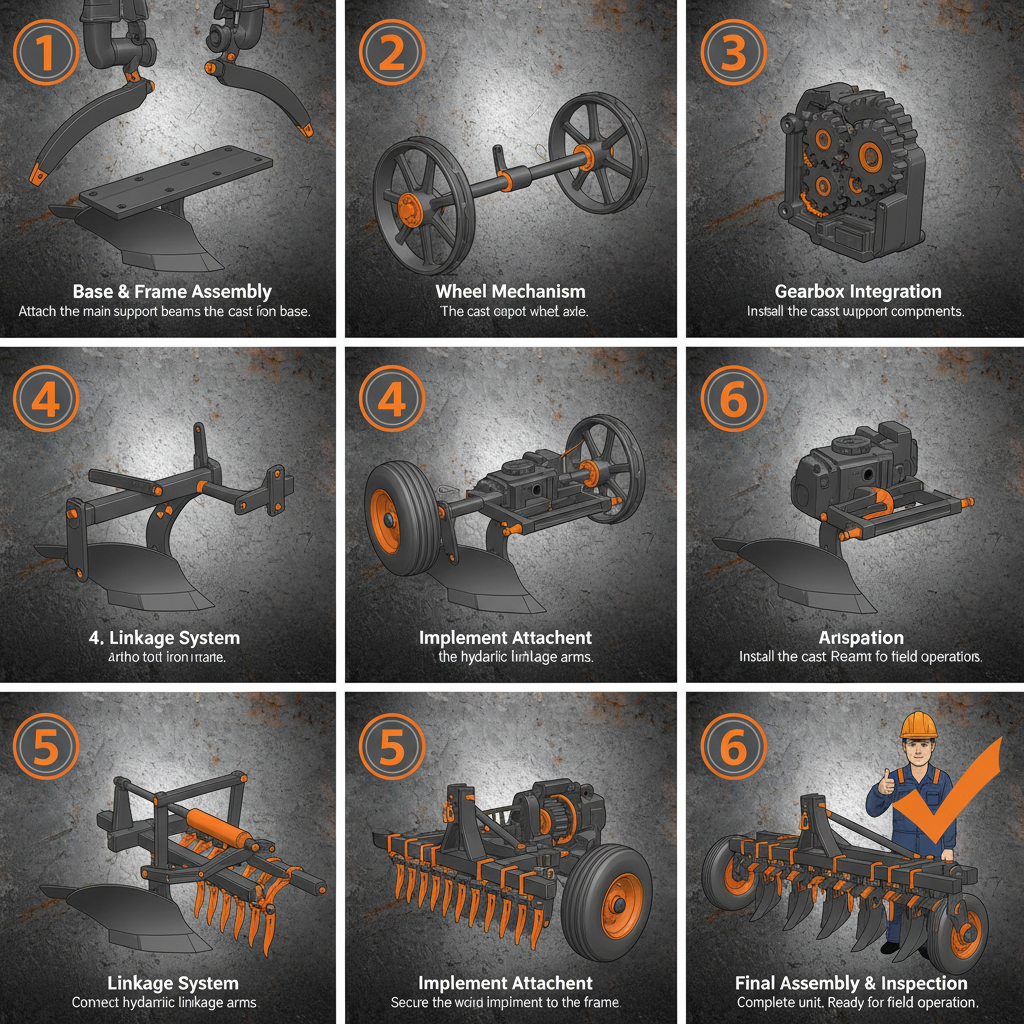
A combined precision seeder is a multifaceted auto seeder machine designed to perform four critical agricultural functions in one pass: soil tillage, precision seeding, fertilizer application, and seed coverage. Rather than utilizing a sequence of different machines, this integrated system streamlines the workflow, allowing the farmer to prepare the seedbed and plant the crop simultaneously.
At its core, this system is designed for versatility. It is engineered to handle a vast array of crop types, including staple grains like wheat, corn, and rice, as well as oilseeds such as soybeans and canola, and even sensitive vegetable crops like carrots and tomatoes. This adaptability makes it a universal tool for both specialized farms and diversified agricultural enterprises.
The connection to modern industry needs is evident in its integration with tractor power via 3-point hitches or pull-type designs. By bridging the gap between heavy machinery and delicate seed placement, the system ensures that the mechanical force of the tractor is converted into surgical precision in the field, directly supporting the transition toward "Agriculture 4.0."
Core Components and Precision Engineering
The effectiveness of an auto seeder machine depends heavily on its seed metering system. Powered by either electric or hydraulic drives, this component eliminates human error in spacing and depth. Farmers can adjust the depth from 1 to 10 cm and spacing from 5 to 30 cm, ensuring that each plant has sufficient room to grow without competing for resources.
Integrated into the frame is a specialized fertilizer distributor. Unlike traditional broadcasting, this auto seeder machine utilizes "starter fertilizer placement," delivering granular or liquid nutrients directly into the seed zone. This ensures that young roots have immediate access to nutrients, which significantly boosts early-stage growth and root development.
To ensure long-term reliability, the entire structure is built from high-grade, corrosion-resistant steel. The machine includes tillage components, such as disc harrows or tines, to loosen the soil, and press wheels to firm the soil around the seed. This combination of durability and precise mechanical action ensures the auto seeder machine can operate in harsh field conditions across various soil textures.
Operational Efficiency and Yield Impact
The operational shift from traditional planting to using a combined auto seeder machine results in a dramatic reduction in field compaction. Because the machine combines tillage, seeding, and pressing into one pass, the soil is not subjected to repeated heavy wheel traffic. This protects the soil's pore structure, allowing for better aeration and water infiltration, which are key drivers of high crop yields.
Furthermore, the integration of GPS guidance and telemetry systems allows for precise row alignment, virtually eliminating gaps and overlaps. This ensures that every square meter of land is utilized to its full potential. When seeds are placed with scientific consistency, the resulting crop is uniform, which simplifies harvesting and improves the overall quality of the produce.
Efficiency Ratings of Different Planting Methods
Global Applications Across Diverse Terrains
The versatility of the auto seeder machine makes it effective across diverse geographical regions. In the vast plains of North America and Eurasia, large-scale commercial plantations use GPS-equipped versions to manage thousands of hectares with minimal labor. These operations rely on the machine's ability to maintain perfect alignment over huge distances, ensuring maximum land efficiency.
Conversely, in smaller family-run farms in Southeast Asia or Africa, the combined functionality is a game-changer. By reducing the need for multiple pieces of equipment, these farmers can lower their capital expenditure and reduce the manual labor required for soil preparation. Whether operating in sandy, loamy, or clay soils, the adjustable components of the seeder allow it to adapt to the specific physical properties of the local terrain.
Long-Term Value and Sustainability Benefits
Investing in an auto seeder machine provides tangible long-term value through the reduction of input waste. By utilizing precision metering, seed waste is reduced by up to 30%, and targeted fertilizer application cuts nutrient waste by 20-25%. This not only lowers the direct cost per acre but also prevents nutrient runoff into local waterways, reducing the environmental footprint of the farm.
From a sustainability perspective, the machine supports conservation agriculture. Its ability to integrate with reduced-till or no-till systems helps in sequestering carbon within the soil and preventing erosion. By minimizing the number of passes across the field, the machine significantly lowers carbon emissions from tractor fuel, aligning farming operations with global green energy goals.
Beyond the numbers, there is a profound emotional and logical value in the reliability this technology brings. Farmers gain peace of mind knowing that their crop establishment is scientifically optimized. The digital interface provides real-time data, transforming planting from a game of chance into a data-driven process, which fosters trust in the long-term viability of the land.
Future Trends in Automated Planting Systems
The future of the auto seeder machine is intrinsically linked to the rise of Artificial Intelligence and autonomous robotics. We are moving toward "smart" seeders that can analyze soil moisture and nutrient levels in real-time, adjusting the seeding rate and fertilizer dosage on the fly for every single seed. This hyper-localization will further maximize yields while minimizing inputs.
Digital transformation is also bringing more advanced telemetry. Future systems will likely integrate with satellite-based weather forecasting and soil sensors to suggest the absolute best planting window. The shift toward fully autonomous, driverless seeding units will further reduce labor costs and allow for 24/7 operation during critical planting windows, ensuring no opportunity is missed.
Finally, we expect to see a move toward bio-compatible and lighter materials in machine construction to further reduce soil compaction. The integration of electric-drive systems across all components will replace hydraulic systems, making the auto seeder machine quieter, more energy-efficient, and easier to maintain, fully embracing the transition to sustainable, high-tech agriculture.
Technical Analysis of Auto Seeder Machine Performance Metrics
| Feature Component |
Precision Rating (1-10) |
Waste Reduction (%) |
Impact on Yield |
| Seed Metering System |
10 |
30% Seed Reduction |
High - Uniformity |
| Fertilizer Distributor |
9 |
25% Nutrient Reduction |
High - Root Growth |
| Tillage Component |
8 |
15% Fuel Reduction |
Medium - Bed Prep |
| Press Wheel System |
8 |
N/A |
High - Germination |
| GPS Guidance Unit |
10 |
10% Area Optimization |
Medium - Alignment |
| Telemetry Interface |
9 |
5% Resource Optimization |
Medium - Management |
FAQS
The combined precision seeder integrates tillage, seeding, fertilization, and soil pressing into one single operation. Traditional seeders often only handle seed placement, requiring separate passes for soil preparation and fertilizing. This integration saves significant time, reduces fuel costs, and prevents soil compaction caused by repeated tractor traffic, leading to a healthier seedbed and higher germination rates.
Yes, it is designed for extreme versatility. The system can be adjusted for grains (corn, wheat, rice), oilseeds (soybeans, canola), and various vegetables (carrots, tomatoes). The seed metering system allows for adjustable spacing (5-30 cm) and depth (1-10 cm), ensuring that the specific agronomic needs of each crop type are met for optimal growth.
Instead of broadcasting fertilizer across the entire field, the machine delivers nutrients directly into the seed zone. This ensures that the young plant's first roots have immediate access to essential nutrients. This targeted approach reduces fertilizer waste by 20-25% and prevents nutrient runoff, while simultaneously accelerating early root development and improving the plant's overall vigor.
Absolutely. The machine is engineered for broad compatibility, supporting both 3-point hitch and pull-type designs, which makes it compatible with the vast majority of modern tractors. Furthermore, it can be upgraded with optional GPS guidance and telemetry systems to enable precise row alignment and real-time performance monitoring via a digital interface.
Sustainability is achieved through three main avenues: waste reduction, emission lowering, and soil protection. By reducing seed and fertilizer waste, it lowers the chemical load on the environment. By combining tasks into one pass, it reduces diesel emissions. Finally, by minimizing field compaction and supporting reduced-till systems, it preserves soil health and enhances carbon sequestration.
The frame is constructed from heavy-duty, corrosion-resistant steel to withstand harsh field conditions. Regular maintenance primarily involves checking the seed metering drives (hydraulic/electric) and ensuring the tillage tines or disc harrows are sharp and free of debris. Because it is built for heavy-duty use, it requires less frequent structural repair than lighter, traditional equipment.
Conclusion
The transition to a combined precision auto seeder machine represents a significant leap forward in agricultural efficiency. By unifying soil preparation, precise seed placement, and targeted fertilization into a single operational pass, farmers can drastically reduce resource waste, lower labor costs, and protect the long-term health of their soil. The integration of smart technologies like GPS and telemetry further ensures that every seed is placed in its optimal environment for growth, directly translating to higher yields and more stable food production.
As we look toward the future, the continued evolution of automated planting—driven by AI and autonomous systems—will be the cornerstone of sustainable global agriculture. For farmers and agricultural enterprises, adopting these precision tools is no longer just about increasing profit; it is about ensuring ecological resilience and food security in an unpredictable climate. We encourage you to embrace these innovations to modernize your operations and secure a more productive future. Visit our website: www.langningam.com