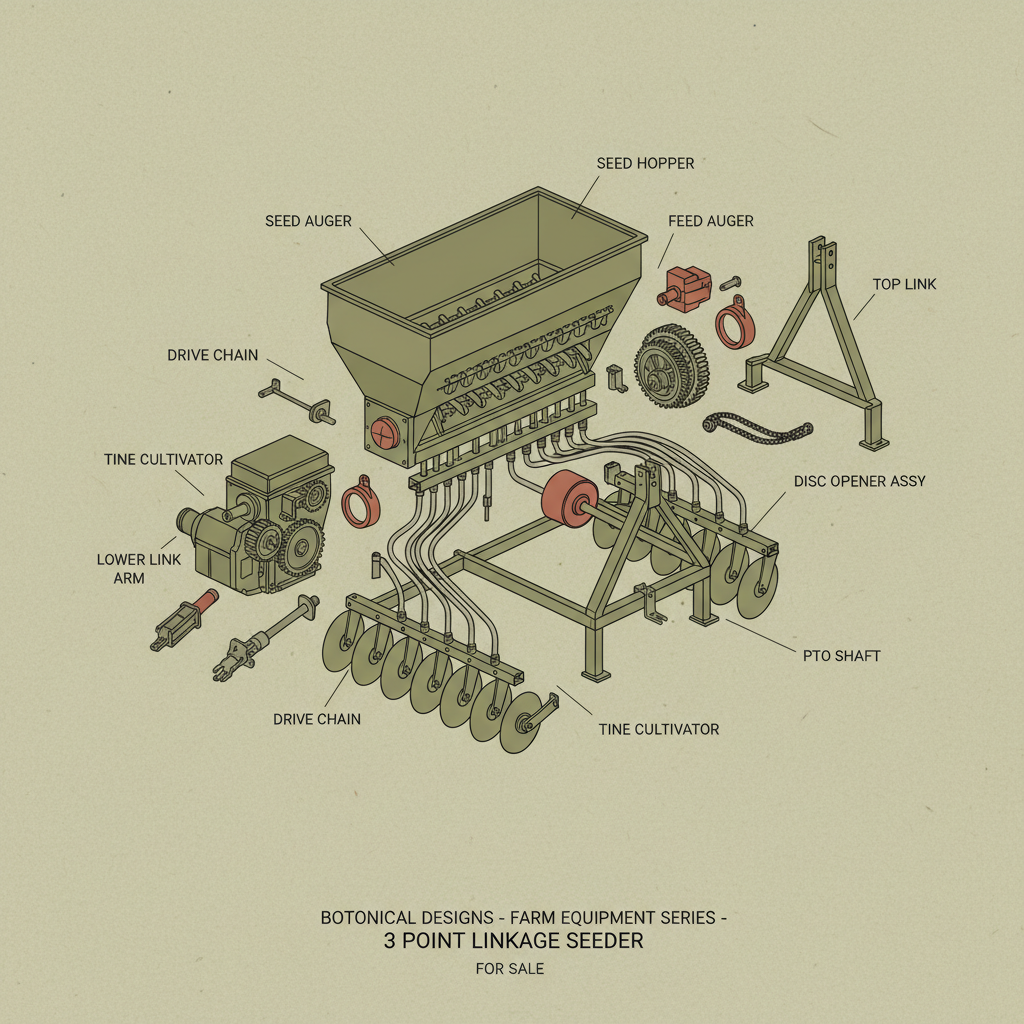
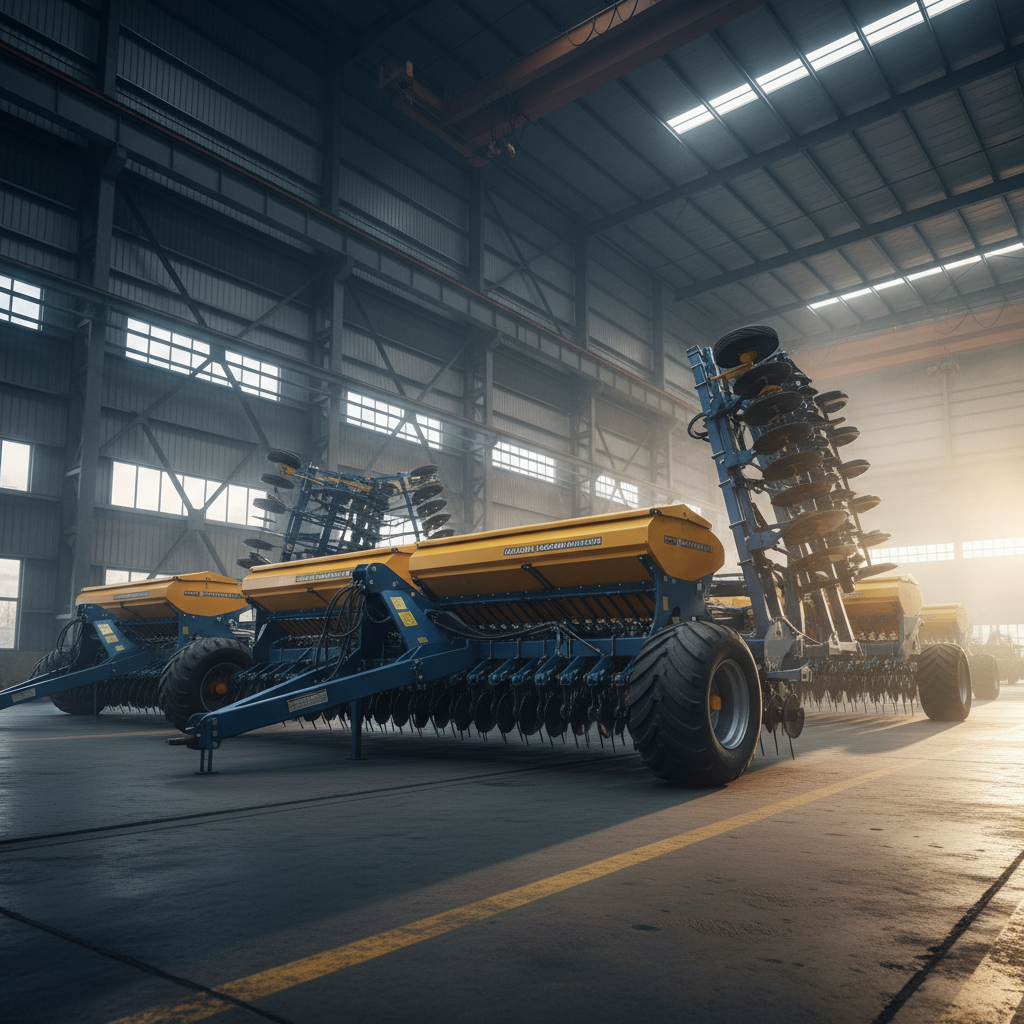
Modern agriculture is currently undergoing a massive transformation, where the integration of precision technology is no longer a luxury but a necessity for food security. The shift toward automating the planting process has led to the development of sophisticated machinery designed to optimize every single seed's potential. By focusing on precision and scalability, the industry is moving away from wasteful traditional methods toward data-driven cultivation.
Across the globe, the demand for efficiency in the field is driving the adoption of specialized tools that can handle diverse seed types and terrains. Whether it is a small community garden or a thousand-acre commercial enterprise, the goal remains the same: maximizing yield while minimizing resource expenditure. This evolution is central to the broader category of all agriculture machine solutions that empower farmers to produce more with less.
Among these innovations, the Seeding Device stands out as a critical component for enhancing germination rates and reducing labor costs. By ensuring optimal depth and spacing, these tools eliminate the inconsistencies of manual sowing, which is vital for sustainable farming. Understanding the role of such equipment within the ecosystem of all agriculture machine options allows operators to make informed decisions that impact their long-term profitability and soil health.
Precision Metering in Modern Seeding
The core of a high-performance seeding device is its advanced metering system, which utilizes high-precision sensors and adjustable mechanisms to ensure uniform distribution. By preventing seed clogging and managing spacing, this technology eliminates the risk of overcrowding—which often leads to nutrient competition—and prevents sparse planting that wastes valuable land.
This level of precision is what separates professional-grade equipment from basic tools. When seeds are placed at the exact optimal depth—ranging from 0.5 inches for lettuce to 3 inches for corn—germination rates can increase by 20% to 30%, providing a stronger foundation for the entire crop cycle.
Scalability from Gardens to Commercial Farms
One of the most significant advantages of modern seeding technology is its ability to scale based on the operator's needs. For home gardeners and urban farmers, lightweight handheld models weighing between 5 and 10 pounds offer the maneuverability required for raised beds and rocky patches, making precision planting accessible to the hobbyist.
Moving up to medium-scale operations, push-behind devices provide a balance of efficiency and control, typically covering multiple rows at once with larger hoppers. These units are ideal for community gardens or small-hold farms where speed is required but tractor access may be limited or unnecessary.
For industrial agricultural enterprises, tractor-mountable versions revolutionize the process by covering hundreds of acres in a single day. These heavy-duty systems often integrate GPS for row alignment and variable-rate technology, allowing the machine to adjust seed density based on soil fertility maps for maximum efficiency.
Durability and Weather-Resistant Engineering
To survive the rigors of the field, the materials used in these devices must be exceptionally robust. The construction involves high-quality, weather-resistant reinforced plastics and corrosion-resistant metals, ensuring that the all agriculture machine components do not fail during extreme temperature swings or heavy rain.
Ergonomics also play a critical role in durability; an ergonomic handle reduces user fatigue during long planting sessions, which in turn prevents operational errors. The structural integrity of the all agriculture machine framework ensures it can handle rough handling in rocky terrains without compromising the precision of the internal metering system.
Furthermore, the inclusion of detachable hoppers and foldable designs makes storage and cleaning simpler, preventing the buildup of moisture and debris that could lead to rust. This focus on long-term resilience ensures that the investment in all agriculture machine tools pays off over many seasons of intensive use.
Economic Impact and Seed Waste Reduction
The transition from manual broadcasting to precision seeding has a direct and positive impact on the bottom line of any agricultural operation. By reducing seed waste by up to 40%, farmers can significantly lower their initial input costs, which is particularly impactful when dealing with expensive specialty seeds or large-scale grain production.
Beyond the cost of seeds, there is a massive saving in labor. Handheld models can plant up to 500 square feet per hour, while industrial versions remove the need for hundreds of manual labor hours. This efficiency allows the workforce to be redistributed to other critical tasks like pest control and soil preparation.
Efficiency Ratings of Different Seeding Methods
Versatility Across Seed Types and Terrains
A truly versatile seeding device must be capable of handling a vast spectrum of seed sizes without requiring completely different machines for each crop. From tiny herb and vegetable seeds as small as 1mm to larger grains like corn, wheat, and barley, the adjustable metering plates allow for a seamless transition between different planting requirements.
This adaptability extends to the environment as well. Whether the terrain is a perfectly flat industrial field, a sloped garden bed, or a rocky patch of soil, the design of these tools ensures they can maintain a consistent depth. This flexibility makes the equipment suitable for a wide range of uses, including growing food crops, ornamental flowers, or cover crops for soil protection.
Sustainable Soil Management Practices
Sustainability is no longer an optional feature but a core requirement of modern farming. Precision seeding devices contribute to this by significantly reducing soil compaction compared to heavy traditional plowing and seeding methods. By preserving the natural soil structure, these tools promote long-term soil health and fertility.
Furthermore, the reduction in seed waste and the elimination of the need for post-planting thinning mean that less disturbance is caused to the soil ecosystem. This minimizes the risk of erosion and reduces the reliance on chemical fertilizers, as healthy, uncompacted soil naturally provides more nutrients to the developing seedlings.
When integrated with variable-rate technology in larger models, the device optimizes resource use by adjusting seed density based on soil fertility maps. This data-driven approach ensures that the land is not over-stressed and that crop output is maximized in harmony with the environment's natural capacity.
Selection and Maintenance Guidelines
Choosing the right device depends entirely on the scale of the operation. Small-scale users should prioritize lightweight models with adjustable seed size settings and clear hoppers, while commercial farmers must focus on GPS integration, reinforced steel frames, and variable-rate planting capabilities to handle thousands of acres efficiently.
Maintenance is the key to longevity. Immediate cleaning after use—removing debris with soft brushes and using compressed air for industrial sensors—prevents the buildup of soil and seed fragments that could clog the metering system. Regular lubrication of the depth control mechanisms is also essential for smooth operation.
Proper off-season storage involves cleaning, disassembling removable parts, and storing the unit in a cool, dry location away from direct sunlight to prevent plastic cracking. Applying a rust-inhibiting spray to metal components ensures the machine is ready for the next planting season without costly repairs.
Comparison of Seeding Device Categories by Application
| Device Category |
Ideal Scale |
Key Feature |
Efficiency Score |
| Handheld Model |
Backyard/Urban |
Lightweight/Maneuverable |
7/10 |
| Push-Behind |
Community Garden |
Multi-row Planting |
8/10 |
| Tractor-Mounted |
Commercial Farm |
GPS/Variable Rate |
10/10 |
| Specialty Seeder |
Greenhouses |
Micro-seed Precision |
9/10 |
| Cover Crop Tool |
Sustainable Farms |
Soil Health Focus |
8/10 |
| Hybrid Seeder |
Mixed Operations |
Interchangeable Plates |
9/10 |
FAQS
For small-scale backyard or urban gardens, a handheld seeding device is the most practical choice. These models are lightweight (typically 5–7 pounds), easy to store, and designed for precision in small beds. Look for models with adjustable seed size settings and a clear hopper to monitor seed levels effectively.
Yes, high-quality seeding devices are engineered for versatility. By using adjustable metering mechanisms or interchangeable metering plates, a single device can handle seeds ranging from 1mm herbs to larger corn or bean seeds. This eliminates the need for multiple tools for different crops.
Precision seeders ensure that every seed is placed at the optimal depth and spacing. By avoiding overcrowding, seedlings have better access to sunlight, water, and nutrients. This systematic approach typically increases germination rates by 20–30% compared to manual broadcasting.
For commercial operations covering 10+ acres, GPS integration is highly recommended. It ensures precise row alignment and prevents overlapping, which maximizes land use and simplifies later irrigation and harvesting processes. It is a key component of industrial-grade agriculture machinery.
First, ensure the device is completely clean and dry. Store it in a cool, dry location like a shed or garage, away from direct sunlight. Applying a light coat of rust-inhibiting spray (such as WD-40) to all metal components is an effective way to prevent corrosion during the off-season.
Yes, it promotes sustainability by reducing seed waste (up to 40%) and minimizing soil compaction. By preserving the soil structure, it encourages natural fertility and reduces the need for chemical fertilizers, aligning with ecological farming practices.
Conclusion
The adoption of precision seeding technology represents a pivotal shift in how we approach food production. By combining advanced metering, scalable designs, and sustainable engineering, these devices solve the age-old problems of seed waste and inconsistent germination. From the smallest handheld tool to the most complex tractor-mounted system, the focus on precision ensures that every resource is used to its maximum potential, directly increasing yields and profitability.
Looking forward, the integration of further automation and data analytics will only enhance the efficiency of these tools. For any farmer or gardener looking to professionalize their operation, investing in high-quality seeding equipment is the first step toward a more sustainable and productive future. To explore the best options for your needs, visit our website: www.langningam.com