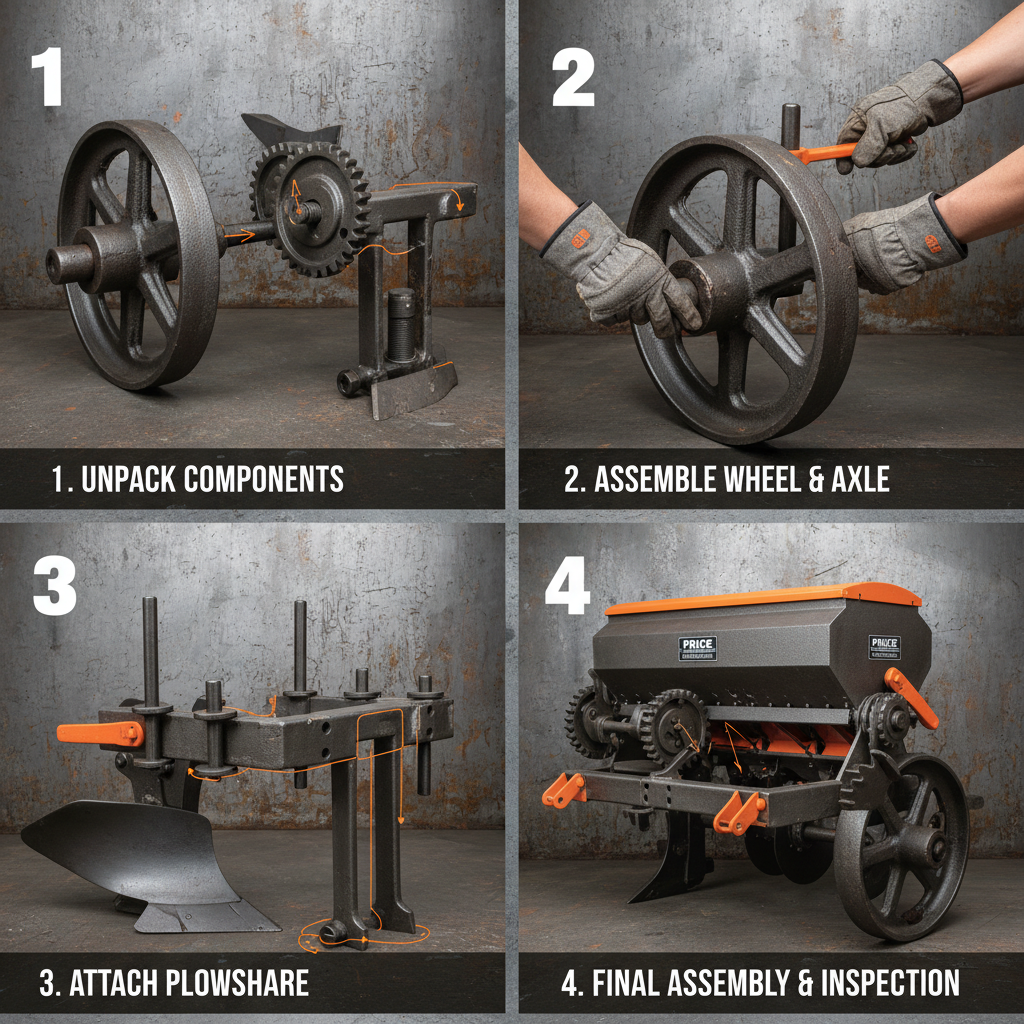
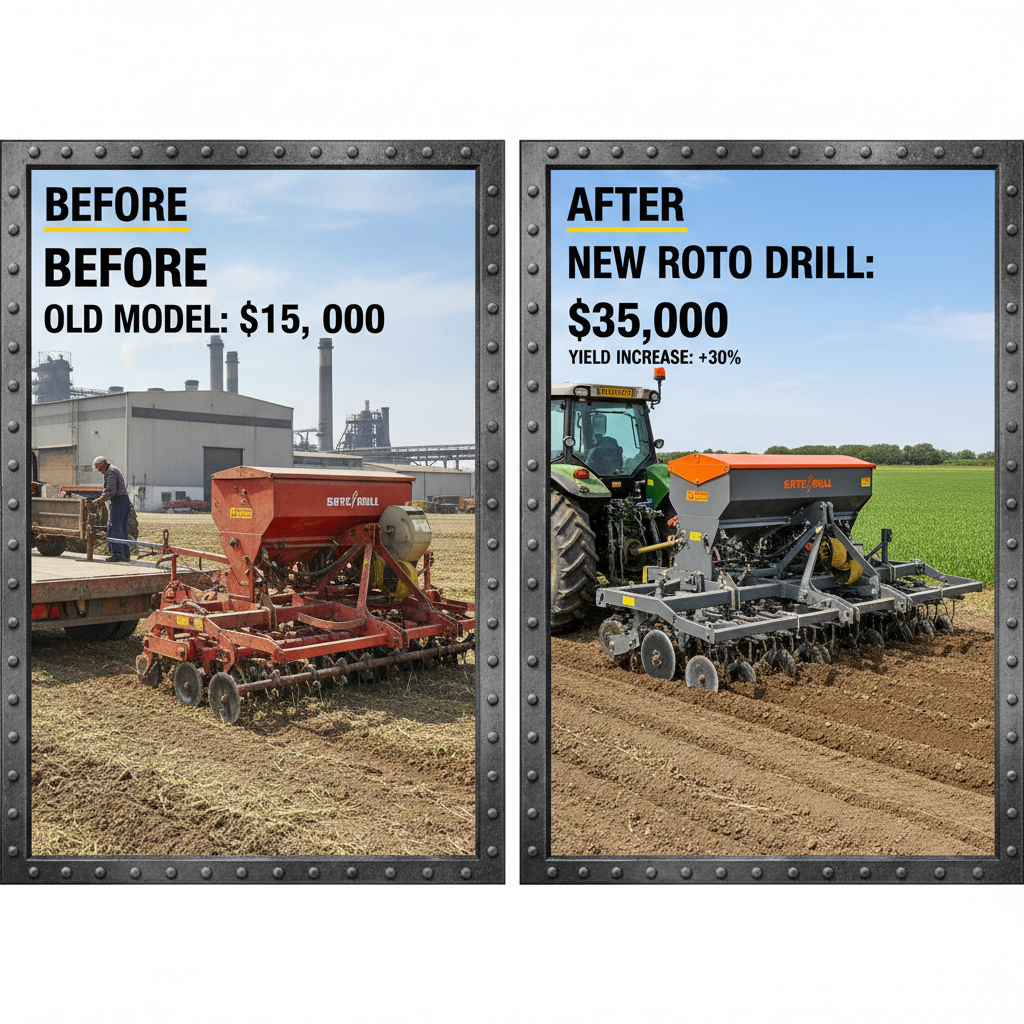
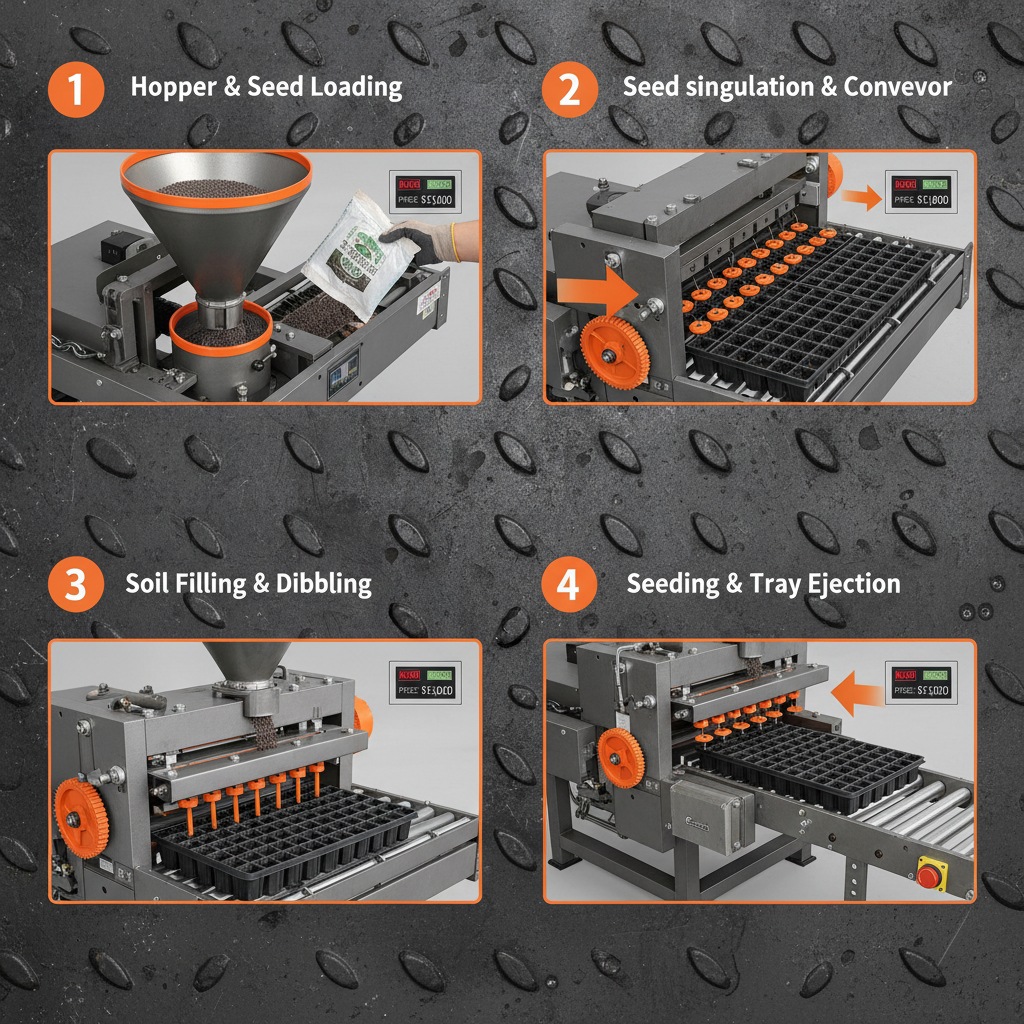
Efficient soil preparation is the cornerstone of successful agricultural production, acting as the primary catalyst for healthy crop development. In the pursuit of maximizing land productivity, the integration of high-performance equipment like a big seeder—which in a broader land preparation context starts with precision ploughing—ensures that the soil is perfectly aerated and nutrient-rich for the coming season.
Globally, the demand for food security has pushed farmers to transition from manual labor to mechanized solutions that can handle vast acreages with minimal downtime. By utilizing advanced tools designed for large-scale operations, agricultural enterprises can significantly reduce the time required to prepare a seedbed, thereby optimizing the planting window and mitigating risks associated with unpredictable weather patterns.
Whether you are managing a family-owned farm or a commercial agricultural operation, investing in the right preparation tools is essential. Integrating a big seeder strategy begins with selecting the correct plough—be it moldboard, disc, or chisel—to ensure the ground is primed for maximum yield and sustainable growth.
The Essential Role of Soil Preparation for a Big Seeder
Before any big seeder can be deployed to the field, the soil must be meticulously prepared to ensure optimal seed-to-soil contact. Ploughs serve as the indispensable first step, turning and loosening the earth to create a welcoming environment for germination. By removing surface weeds and burying crop residues, these implements transform raw land into a fertile bed ready for precision planting.
The process of aerating the soil through deep tillage allows oxygen and water to penetrate deeper into the root zone. This foundational work ensures that when a big seeder is used, the seeds are placed in a medium that supports rapid root expansion and nutrient uptake, which is critical for the early growth stages of high-yield commercial crops.
Versatility Across Diverse Soil Conditions
Agricultural landscapes vary wildly, from heavy, dense clay to light, sandy loams, requiring a flexible approach to land preparation. Moldboard ploughs are the gold standard for heavy clay soils, as their curved steel design effectively inverts the earth, burying pests and organic matter while bringing nutrient-rich subsoil to the surface.
In contrast, disc ploughs are engineered for lighter soils or regions where erosion is a significant concern. By utilizing sharp, circular discs that cut through the soil with minimal disturbance, these tools preserve the overall soil structure while still providing the necessary looseness required for a big seeder to operate efficiently.
For those focusing on conservation tillage, chisel ploughs provide a specialized solution by breaking up compacted layers without fully inverting the soil. This maintains the soil profile and improves water infiltration, creating a balanced environment that suits both small-scale family plots and massive commercial enterprises.
Durability and Engineering Standards
The rigors of daily agricultural use demand equipment built from the highest grade materials. To ensure that a big seeder can follow in the wake of a plough without encountering obstacles, the ploughs themselves must be constructed from hardened steel and reinforced cast iron to resist extreme wear and impact.
Corrosion-resistant coatings are applied to every structural component, ensuring that the machinery withstands moisture, chemicals, and harsh weather. This level of engineering reduces the total cost of ownership, as farmers spend less on replacements and more time focusing on the efficiency of their big seeder operations.
Moreover, the compatibility with various tractor horsepower ratings ensures scalability. Whether utilizing a compact setup or a heavy-duty commercial configuration, the adjustable hitch systems allow for precise depth control, which is the key to a uniform seedbed for any big seeder.
Comparative Efficiency of Tillage Methods
Choosing the correct tillage method directly impacts the performance of subsequent planting. While moldboard ploughing offers maximum weed control and soil inversion, it requires more energy. Disc ploughing, on the other hand, provides a faster turnaround for lighter soils, paving the way for a big seeder to be deployed more rapidly across large acreages.
The efficiency of these methods can be measured by their impact on seedbed readiness and the reduction of labor hours. By matching the plough type to the soil condition, farmers can ensure that the ground is perfectly prepped for the big seeder, maximizing the germination rate and overall crop uniformity.
Efficiency Rating of Soil Prep for Big Seeder Deployment
Maximizing Crop Yields through Aeration
The direct correlation between soil aeration and crop yield cannot be overstated. By breaking up compacted soil layers, ploughs ensure that roots can penetrate deeper into the earth, accessing vital water reserves and nutrients that would otherwise remain untapped. This creates a robust foundation for any big seeder to place seeds in an environment that promotes aggressive early growth.
Furthermore, the process of burying crop residues and weeds reduces competition for resources. When a big seeder is used on well-tilled soil, the resulting plants are generally healthier and more resistant to pests, leading to a significant increase in the total harvest volume per acre.
Sustainable Farming and Conservation Practices
Modern agriculture is shifting toward sustainability, and equipment design is evolving to match. Disc and chisel ploughs are pivotal in this transition, as they minimize soil disturbance and prevent the erosion that often accompanies traditional deep-tillage methods. This preservation of the soil's natural microbial life ensures long-term fertility for future big seeder cycles.
By incorporating organic matter back into the soil rather than simply removing it, these tools promote carbon sequestration. This not only reduces the farm's overall environmental footprint but also enhances the nutrient density of the soil, creating a sustainable cycle of productivity.
For farmers adopting organic or conservation-focused methods, the ability to manage soil health without aggressive inversion is a game-changer. It allows for the maintenance of a stable soil structure while still achieving the efficient land preparation required for a big seeder to operate.
Selection and Maintenance Guidelines
Choosing the right equipment starts with a comprehensive analysis of soil type and farming goals. Clay-heavy soils demand the inversion capabilities of a moldboard plough, while sandy regions are better served by disc ploughs to avoid over-tillage. Matching the tool to the tractor's horsepower ensures that the field is prepared without straining the machinery before the big seeder is brought in.
Maintenance is the key to longevity. Post-use cleaning to remove debris prevents corrosion, while regular sharpening of the cutting edges ensures clean soil penetration. Lubricating hitch joints and disc bearings is essential to prevent premature wear and tear during the critical planting window.
Seasonal checks, including inspecting the frame for cracks and applying corrosion-resistant paint, protect the investment. A well-maintained plough ensures that there are no unexpected breakdowns, allowing the farmer to transition seamlessly to the big seeder phase of the operation.
Core Guidelines for Plough Selection and Maintenance for Big Seeder Success
| Soil Type |
Recommended Plough |
Key Maintenance Task |
Impact on Big Seeder |
| Heavy Clay |
Moldboard |
Moldboard Polishing |
Maximum Inversion |
| Sandy Loam |
Disc Plough |
Bearing Lubrication |
Reduced Erosion |
| Compacted Soil |
Chisel Plough |
Point Replacement |
Deep Aeration |
| Mixed Terrain |
Adjustable Disc |
Hitch Tightening |
Versatile Bedding |
| Organic Rich |
Moldboard |
Debris Clearing |
Nutrient Cycling |
| Conservation Plot |
Chisel Plough |
Frame Inspection |
Structure Preservation |
FAQS
For heavy clay soils, the moldboard plough is the most effective choice. Its curved steel design allows for complete soil inversion, which is critical for burying weeds and pests while bringing fresh nutrients to the surface. This ensures a clean, aerated seedbed that allows a big seeder to place seeds at the precise depth for maximum germination.
Disc ploughs are ideal for large-scale operations in lighter soils because they cause less disturbance to the soil structure, significantly reducing erosion. They allow farmers to prepare vast areas quickly, creating a smooth surface that enhances the operational speed and efficiency of a big seeder during the planting phase.
Yes, chisel ploughs are specifically designed for conservation tillage. They break up compacted soil layers to improve water infiltration and aeration without fully inverting the earth. This preserves the soil's natural microbial life and structure, providing a sustainable environment that supports long-term productivity for any big seeder.
The most critical steps include cleaning the equipment post-use to prevent corrosion, sharpening cutting edges (blades or discs) to maintain penetration, and regularly lubricating all moving parts such as bearings and hitch joints. These actions prevent downtime and ensure the ground is perfectly prepped for the big seeder.
Aeration reduces soil compaction, allowing roots to penetrate deeper and access more water and nutrients. This leads to stronger, healthier plants that are more resistant to diseases. When a big seeder is used on properly aerated soil, the resulting crop uniformity and growth rate are significantly improved.
The choice depends primarily on soil type and goals. Choose a moldboard plough for heavy clay and maximum weed burial. Choose a disc plough for sandy soils, erosion control, or when you need to prepare the land quickly for a big seeder. Always consider your tractor's horsepower to ensure the equipment is compatible.
Conclusion
In summary, the synergy between precision soil preparation and planting is what defines modern agricultural success. By utilizing the correct type of plough—whether moldboard, disc, or chisel—farmers can ensure that the soil is optimally aerated, weed-free, and nutrient-rich. This foundational work is the only way to guarantee that a big seeder can operate at peak efficiency, leading to higher germination rates and significantly boosted crop yields.
Looking forward, the integration of sustainable tillage practices and high-durability materials will continue to reduce the environmental footprint of large-scale farming. We encourage farmers to invest in equipment that balances productivity with soil health to ensure long-term land viability. For more professional agricultural solutions and high-quality equipment, visit our website: www.agriculturalmachinemfg.com