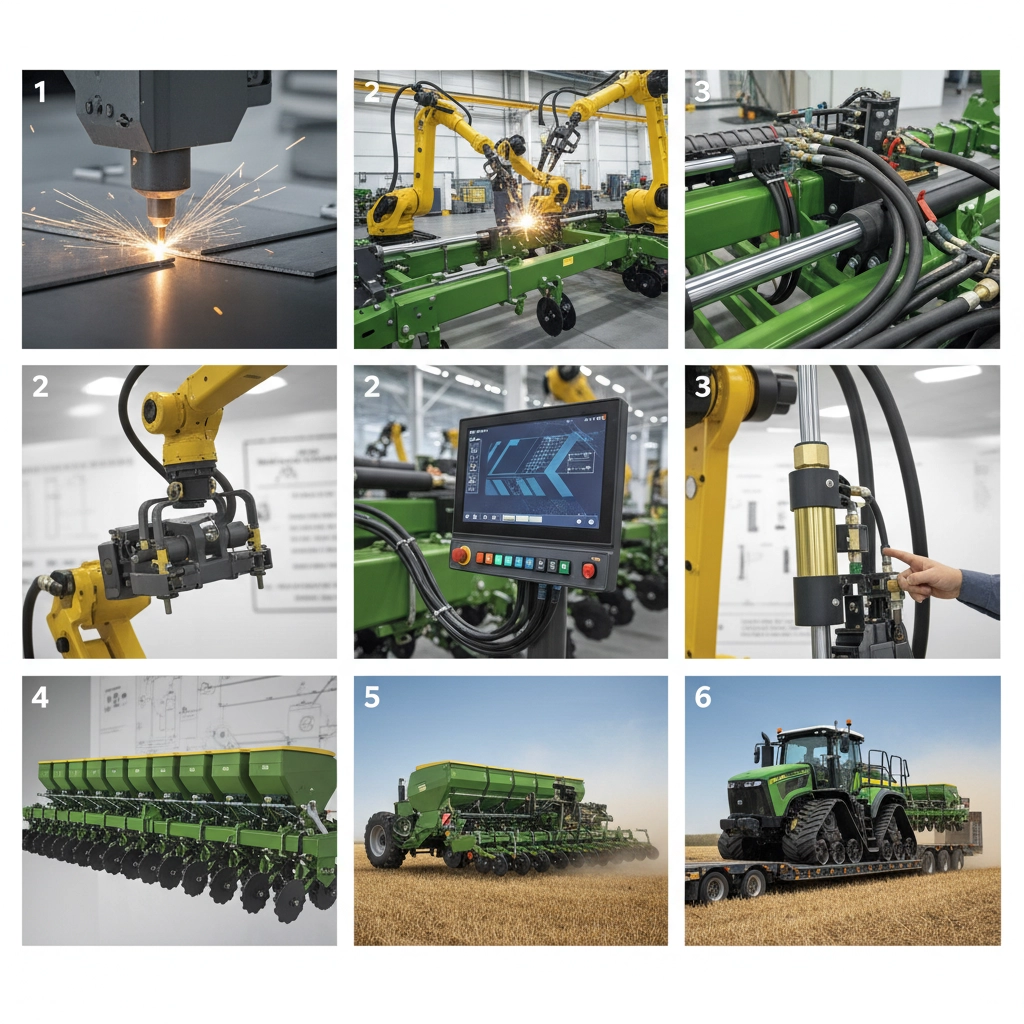
Modern agriculture is currently undergoing a massive transformation, moving away from labor-intensive manual methods toward high-precision automation to meet the growing global food demand. Among these innovations, the integration of seeding and soil preparation into a single operation has emerged as a critical factor in increasing farm productivity and reducing operational overhead.
The challenge for modern farmers lies in balancing the need for speed with the necessity of precision; traditional multi-pass methods often lead to soil compaction and wasted resources. By streamlining the planting process, agricultural engineers have developed solutions that ensure seeds are placed at the perfect depth and spacing, regardless of soil variation.
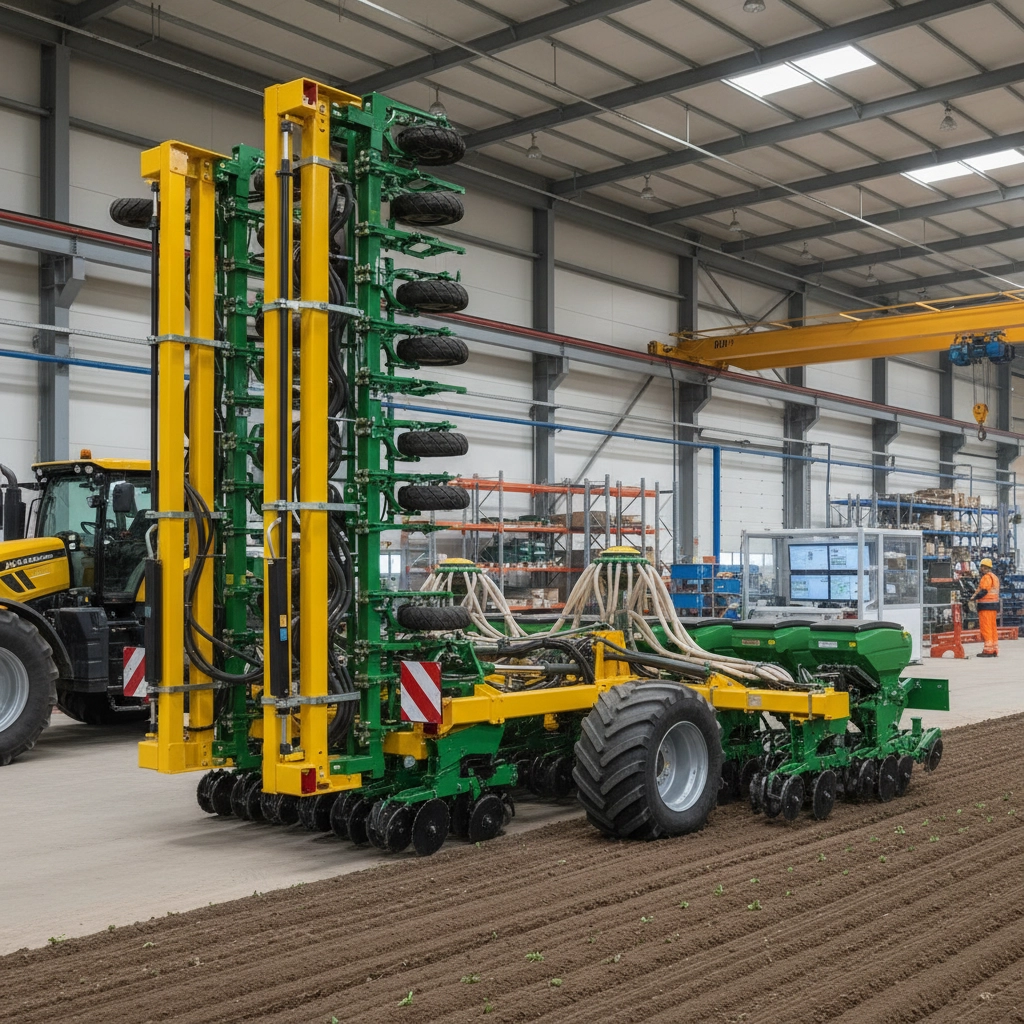
Implementing an auto seeder system, specifically through a Combined Seed Drill, allows farmers to synchronize tilling, fertilizing, and seeding in one pass. This technological leap not only saves invaluable time during the narrow planting window but also promotes long-term soil health and higher crop yields.
Efficiency and Time Savings of Auto Seeder Systems
The primary value of a Combined Seed Drill acting as an auto seeder is the ability to consolidate multiple agricultural tasks into a single pass. By integrating tilling, seeding, and fertilizing, farmers can eliminate the need for two or three separate trips across the field, which drastically reduces the time spent on planting.
This efficiency is crucial during peak planting seasons when weather windows are tight. For instance, a task that typically takes two days with traditional equipment can be completed in just one day, allowing the farmer to maximize the optimal planting window and reduce the risk of weather-related crop failure.
Precision Seeding and Crop Uniformity
Precision is the cornerstone of high-yield farming. The combined seeding mechanism allows for highly adjustable seed spacing and depth, ensuring that every seed is placed in the optimal environment for germination. This eliminates the common issues of overcrowding or sparse growth associated with manual or less precise methods.
Uniformity in planting leads to uniform growth, meaning all plants receive an equal share of sunlight, water, and nutrients. This consistency is vital for commercial operations where predictable harvest volumes and quality are required to maintain profitability and meet market standards.
Furthermore, the integrated fertilizer distribution system places nutrients directly into the seed zone. This targeted application enhances early root development, often resulting in a 10-15% increase in crop yields compared to traditional broadcasting or multi-pass seeding methods.
Reduction of Operational Costs and Waste
Investing in an auto seeder solution provides significant long-term financial relief by lowering the cost per acre. The most immediate saving is found in fuel consumption; reducing the number of tractor passes can cut fuel costs by as much as 30-40%.
Beyond fuel, the precision of the auto seeder minimizes seed waste. Instead of over-seeding to compensate for uneven distribution, farmers can apply the exact amount of seed required for optimal coverage, directly reducing the cost of raw materials.
Maintenance costs are also reduced as there is less wear and tear on the tractor and machinery due to fewer operating hours. Additionally, the time saved often eliminates the need to hire temporary seasonal labor, further streamlining the operational budget.
Soil Health Preservation and Compaction Control
Soil compaction is a silent yield-killer that restricts root growth and limits water infiltration. Traditional farming, which requires multiple tractor passes for different tasks, puts immense pressure on the soil structure, especially in damp conditions, leading to degraded soil porosity.
By utilizing a Combined Seed Drill, the number of passes is minimized, which preserves the natural structure of the soil. Specialized tines and discs are designed to loosen the soil without excessive disturbance, promoting a healthy biology and efficient nutrient cycling.
Impact of Auto Seeder Methods on Soil Health
Versatility Across Different Soil and Crop Types
The modern Combined Seed Drill is engineered for extreme versatility, making it a valuable asset for farmers who manage diverse crop portfolios. It can be easily adjusted to handle a wide range of seed sizes, from tiny grass seeds to large corn kernels, and can adapt to various row widths.
Furthermore, the equipment is designed to perform reliably across diverse soil profiles, from light sandy soils to heavy, sticky clay. With optional attachments like roller harrows or press wheels, farmers can optimize soil-to-seed contact regardless of the field's current condition.
Selecting the Right Auto Seeder for Your Operation
Choosing the correct machine starts with analyzing field size and terrain. Small-scale family farms typically benefit from compact models with working widths of 2-3 meters for better maneuverability, while large commercial operations require widths of 4-6 meters to maximize area coverage per hour.
Tractor compatibility is equally critical; the operator must ensure the tractor possesses the necessary horsepower to pull the drill through the specific soil type of the region. For example, a 6-meter drill may require 120-150 horsepower to maintain consistent seeding depth.
Finally, consider the need for advanced features such as GPS compatibility for field mapping or electronic depth control. Evaluating these options against the specific crop requirements—such as the shallow depth needed for wheat versus the deeper placement for corn—ensures the best return on investment.
Role of Auto Seeder in Sustainable Agriculture
Sustainable farming relies on minimizing environmental impact while maintaining productivity. The auto seeder contributes significantly by enabling no-till or minimum-tillage practices, which leave crop residues on the surface to protect against wind and water erosion.
This approach also aids in carbon sequestration. By reducing soil disturbance, organic matter accumulates more effectively, trapping carbon in the earth rather than releasing it into the atmosphere. Combined with lower fuel emissions, this greatly reduces the farm's overall carbon footprint.
Moreover, the precision application of fertilizers prevents nutrient runoff, protecting local water sources from eutrophication. By supporting cover cropping and complex crop rotations, these machines provide the flexibility needed to maintain soil fertility naturally over many decades.
Comparison of Combined Seed Drill Performance Across Crop Types
| Crop Type |
Optimal Planting Depth |
Precision Rating (1-10) |
Yield Increase % |
| Wheat |
1-2 Inches |
9 |
12% |
| Corn |
2-4 Inches |
10 |
15% |
| Soybeans |
1-1.5 Inches |
8 |
10% |
| Barley |
1-2 Inches |
9 |
11% |
| Cover Crops |
Variable |
7 |
N/A |
| Forage Grass |
0.25-0.5 Inches |
8 |
9% |
FAQS
The main benefits include extreme time savings by combining tilling, fertilizing, and seeding into a single pass. This reduces fuel consumption by 30-40%, minimizes soil compaction by reducing tractor passes, and improves crop yields through precision seed placement and targeted fertilization.
Yes, Combined Seed Drills are designed for versatility. They feature adjustable mechanisms to accommodate various seed sizes—from small wheat seeds to large corn kernels—and adjustable row widths, meaning farmers don't need separate machines for different crop types.
It reduces the number of times heavy machinery passes over the field, which prevents soil compaction. Many models also support no-till or minimum-tillage farming, which preserves soil structure, protects topsoil from erosion, and increases carbon sequestration.
Requirements vary by drill width and soil type. Generally, a 4-meter drill requires a tractor with 80-100 horsepower, while a 6-meter drill may need 120-150 horsepower. It is essential to match the tractor's hitch type and power to the drill's specifications.
Yes. By ensuring uniform seed spacing and depth, every plant has optimal access to resources, leading to even germination. Combined with direct nutrient application, studies show a 10-15% increase in yields compared to traditional seeding methods.
Absolutely. While the upfront cost is higher, the long-term savings in fuel, labor, and seed waste, combined with the increase in total crop yield and the preservation of soil fertility, provide a rapid return on investment.
Conclusion
The transition to an integrated auto seeder system represents a pivotal shift toward more efficient, precise, and sustainable agriculture. By merging multiple critical planting steps into a single operation, the Combined Seed Drill solves the age-old conflict between speed and quality, delivering higher yields while significantly reducing the operational costs of fuel and labor.
As global food security becomes increasingly dependent on sustainable intensification, investing in high-precision seeding technology is no longer a luxury but a necessity. Farmers who adopt these automated solutions will not only increase their immediate profitability but will also safeguard the health of their land for future generations. Visit our website for more information: www.langningam.com