
Precision in seed placement is no longer a luxury but a fundamental requirement for modern sustainable farming. Whether managing a large-scale operation or a specialized urban plot, the transition toward a conservation seeder approach minimizes environmental impact while maximizing the potential of every single seed sown.
The challenge for many growers lies in the inefficiency of traditional broadcasting, which often results in overcrowding or wasted inputs. By focusing on exact depth and spacing, farmers can significantly reduce the need for labor-intensive thinning and lower the overall cost of production.
This analysis explores how precision seeding technology, such as the Individual Seeder, transforms agricultural output by bridging the gap between manual gardening and industrial efficiency, ensuring that biological potential is fully realized through mechanical accuracy.

The Mechanics of Precision Seed Placement

At its core, a conservation seeder focuses on the strategic placement of seeds to maintain soil structure and optimize resource use. Unlike traditional plowing and sowing, which disturb the soil profile, precision devices ensure that each seed is placed at a depth specifically calibrated to its species' requirements.
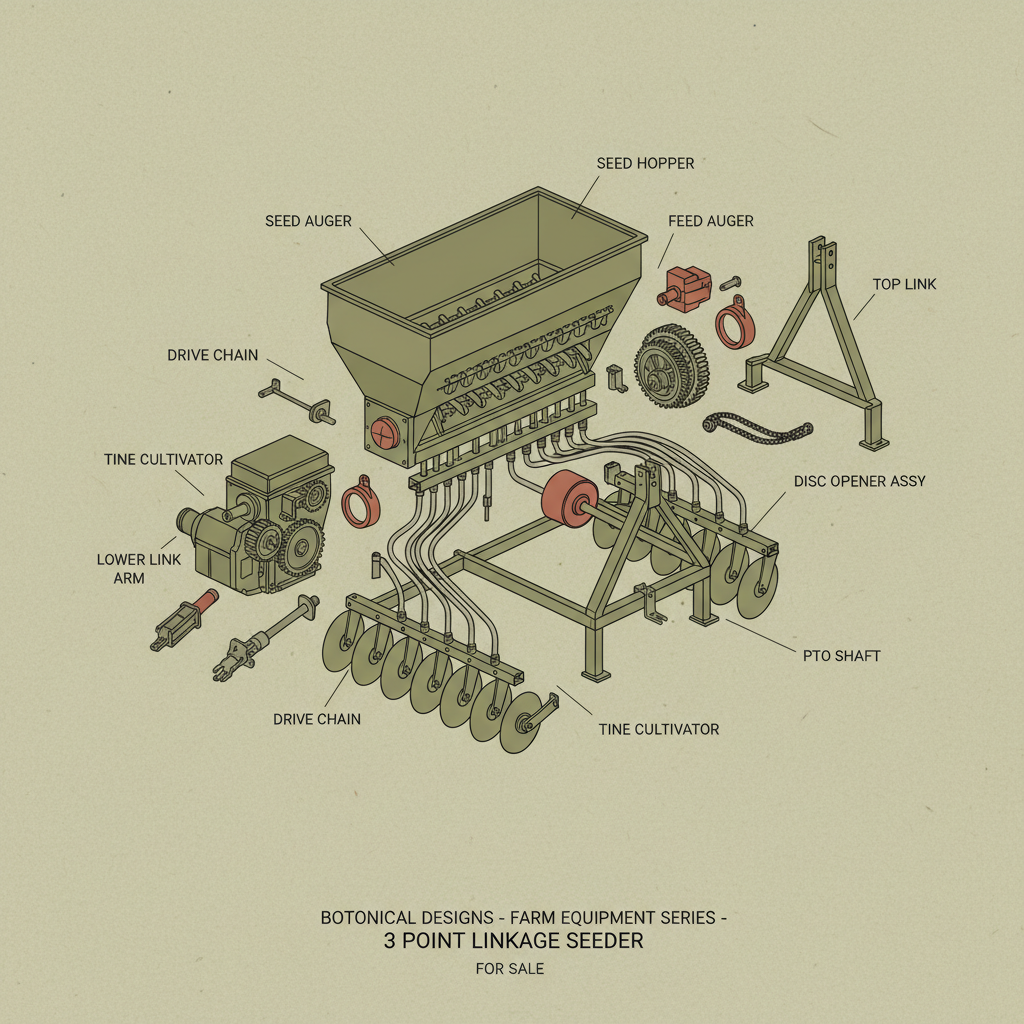
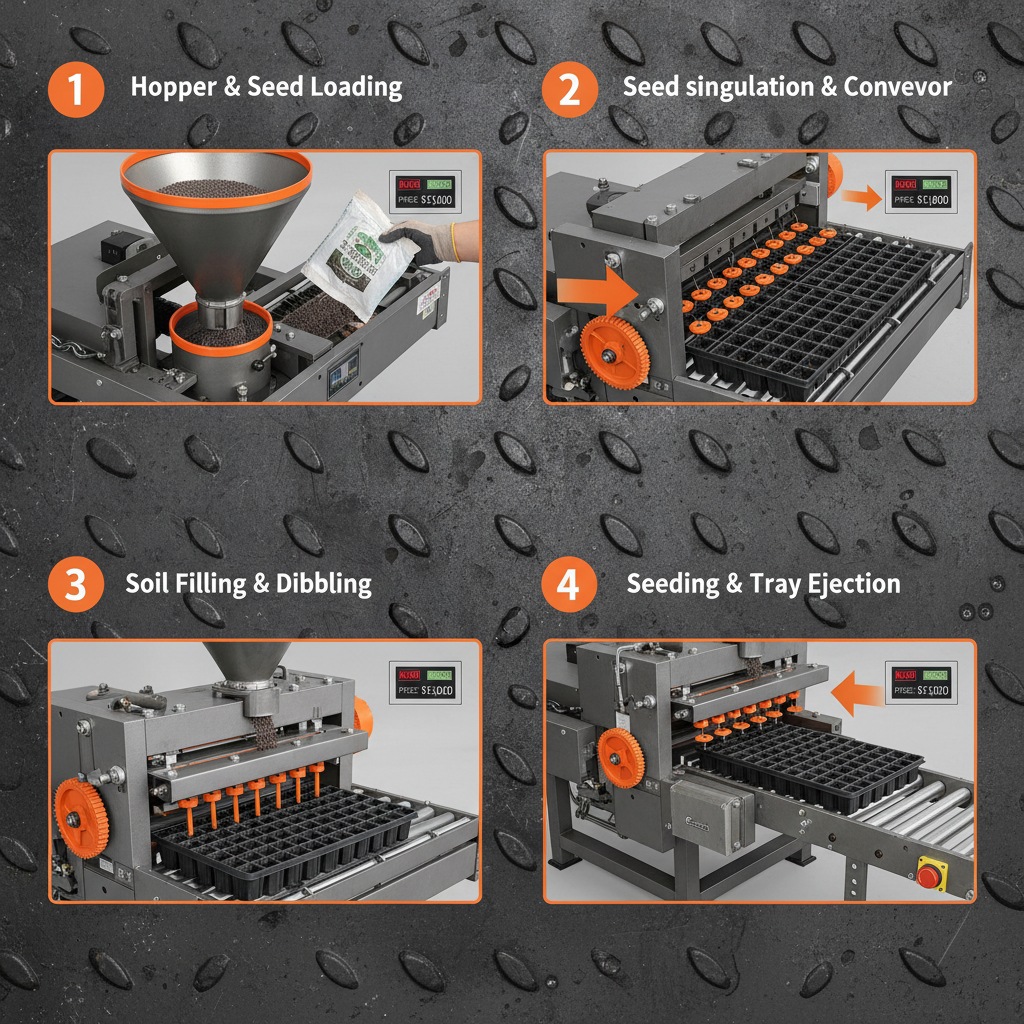
The Individual Seeder employs a trigger-based dispensing system that eliminates the randomness of scattering. By controlling the seed hopper and depth mechanism, the operator can ensure that light-loving seeds remain shallow while deeper-rooting vegetables are placed where they can best access moisture without being exposed to surface predators.
This mechanical precision addresses the primary pain point of agricultural waste. When seeds are placed with unparalleled accuracy, the competition for nutrients, water, and sunlight is minimized, allowing each plant to develop a vigorous root system and a healthier canopy.
Core Technical Advantages of Targeted Seeding
The transition to targeted seeding provides immediate benefits in terms of input costs and plant health. By utilizing high-quality, durable materials and ergonomic designs, modern seeding tools reduce the physical strain on the operator while increasing the accuracy of the planting process.
One of the most critical advantages is the ability to accommodate a vast range of seed sizes. From tiny 1mm lettuce seeds to larger beans and peas, the adjustable hopper system ensures that the dispensing mechanism does not clog or skip, maintaining a consistent rhythm during the planting phase.
Furthermore, the reduction in seed waste is a significant economic driver. For growers using heirloom or rare varieties, the cost per seed is high; hence, a device that dispenses exactly one seed at a time prevents the financial loss associated with over-seeding and subsequent thinning.
Versatile Applications Across Different Farming Scales
Precision seeding tools are equally effective in diverse settings, from high-density urban container gardens to medium-scale agricultural operations. In home gardening, the ability to manage raised beds with exact spacing allows for higher organic produce yields in limited spaces.
For small-to-medium farmers, these tools integrate into sustainable agriculture practices by reducing soil disturbance. By avoiding the need for heavy tillage before seeding, the soil's microbiome remains intact, which in turn reduces the reliance on chemical fertilizers and enhances long-term soil fertility.
The portable and lightweight nature of the equipment makes it ideal for remote farming locations or fragmented plots where larger machinery cannot maneuver. This flexibility allows farmers to tailor their planting strategy to the specific micro-conditions of different areas of their land.
Quantifying Efficiency Gains in Seed Utilization
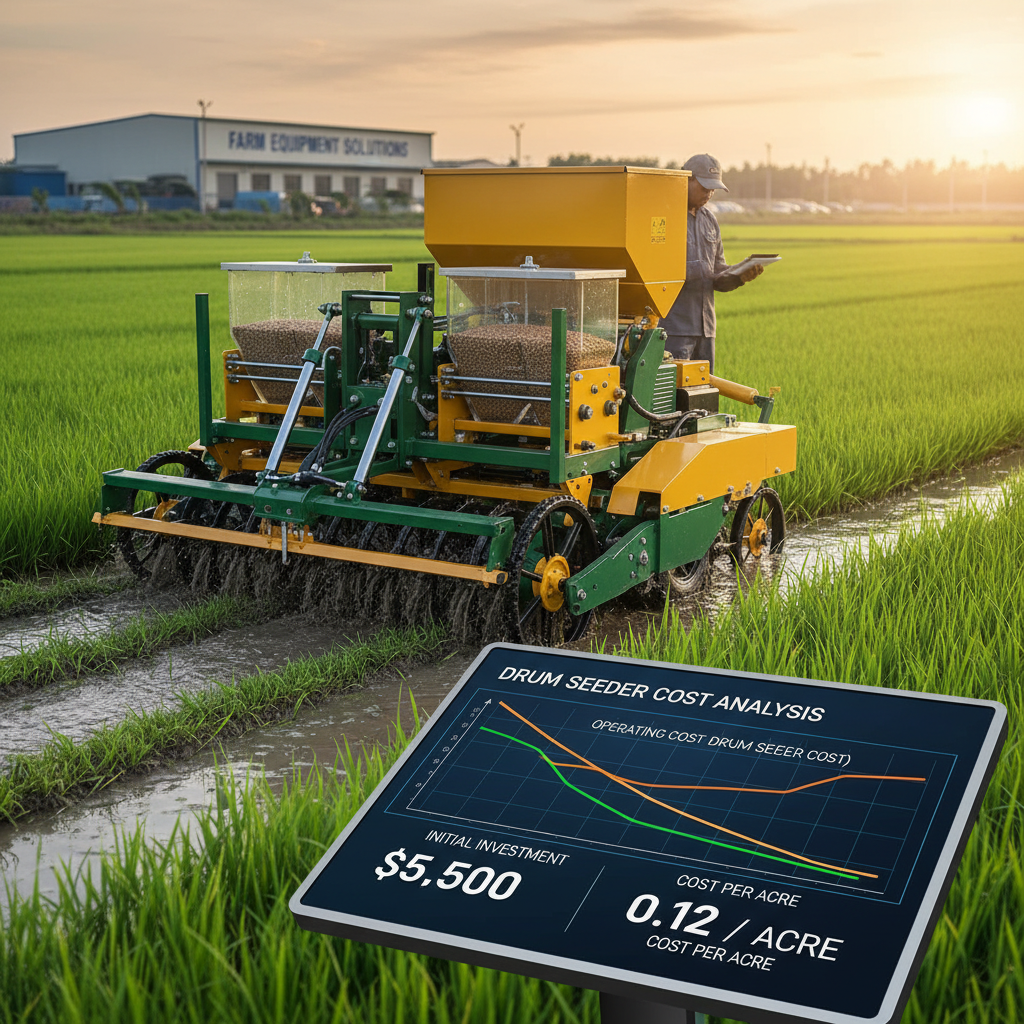
Evaluating the performance of a conservation seeder involves analyzing seed waste, germination rates, and labor hours. Traditional methods typically involve a high margin of error, leading to significant seed loss during the sowing process.
When comparing precision tools against standard broadcasting, the most striking difference is found in the thinning phase. Precision placement removes the need for manual thinning, which is one of the most labor-intensive tasks in the early growth cycle.
conservation seeder Performance Metrics
The data suggests that by optimizing seed depth and spacing, the probability of successful germination increases, as plants are not competing for the same immediate pocket of soil nutrients. This leads to a more uniform crop maturity and simplified harvesting.
Implementation Strategies for Maximum Germination
Successful deployment of a conservation seeder requires an understanding of seed-specific depth requirements. Operators should first calibrate the depth control mechanism based on the seed size and the soil moisture levels present at the time of planting.
Maintenance is equally critical. Detachable parts should be rinsed and wiped down after each use to prevent residue buildup in the hopper, which can lead to uneven dispensing or seed blockage, especially when switching between different crop varieties.
For those integrating these tools into a larger system, pairing precision seeding with a field cultivator or appropriate tillage accessories can prepare the seedbed without destroying the soil's structural integrity, creating a synergistic effect on crop growth.
Future Trajectories in Conservation Sowing Technology
The evolution of seeding equipment is likely to move toward greater integration with soil sensors and automated depth adjustment. As data-driven agriculture expands, we may see tools that automatically adjust seed spacing based on real-time soil nutrient mapping.
Materials science is also playing a role, with the introduction of lightweight, high-strength alloys that further reduce operator fatigue while extending the lifespan of the equipment in abrasive soil conditions. This ensures a longer return on investment for the grower.
Furthermore, as global focus shifts toward regenerative agriculture, the demand for equipment that minimizes soil disturbance will likely increase. This trend favors tools that prioritize precision over volume, aligning economic profitability with environmental stewardship.
Comparative Framework for Seeding Equipment Selection
Choosing the right seeding solution depends on the scale of the operation, the variety of crops, and the desired level of precision. While large-scale pneumatic seeders are efficient for monocultures, the Individual Seeder is superior for diverse, small-to-medium plots.
The following table outlines the key differences between various seeding approaches to help procurement officers and farmers make an informed decision based on their specific operational constraints.
| Approach | Primary Application | Seed Waste Level | Labor Intensity |
|---|---|---|---|
| Broadcasting | Large forage fields | High | Low (Sowing) / High (Thinning) |
| Drill Seeding | Industrial monocultures | Medium | Low |
| Individual Seeder | Diverse small-scale farms | Very Low | Medium |
| Manual Dibbling | Niche home gardens | Low | Very High |
| Precision Planters | Commercial row crops | Low | Low |
| Conservation Seeding | Sustainable agriculture | Very Low | Medium |
Ultimately, the selection should be based on the trade-off between initial equipment cost and the long-term savings gained from reduced seed waste and eliminated labor for thinning. Those prioritizing soil health and precision will find conservation-focused tools most rewarding.
Frequently Asked Questions
Conclusion
Precision seeding represents a fundamental shift toward more intentional and sustainable agricultural management. By replacing the guesswork of traditional sowing with the mechanical accuracy of tools like the Individual Seeder, growers can significantly enhance their operational efficiency and crop vitality.
For those looking to optimize their planting process and reduce input costs, exploring high-precision seeding equipment is a strategic necessity. Readers evaluating these technologies can review the relevant product and company information available through www.agriculturalmachinemfg.com.