The global agricultural landscape is undergoing a profound transformation as traditional farming methods evolve into highly precise, technology-driven operations. The integration of automated farming equipment is no longer a luxury for large corporations but a necessity for ensuring food security and operational efficiency across various scales of production. By streamlining complex tasks, these systems allow farmers to maximize their land's potential while minimizing the physical toll of manual labor.
Modern agriculture faces the dual challenge of a growing global population and dwindling arable land, necessitating a shift toward "precision agriculture." The adoption of automated farming equipment addresses these challenges by optimizing resource allocation, reducing the waste of expensive inputs, and ensuring that every seed is planted in a condition conducive to maximum growth. This transition is critical for moving from subsistence-based farming to a sustainable, commercial-grade industry.
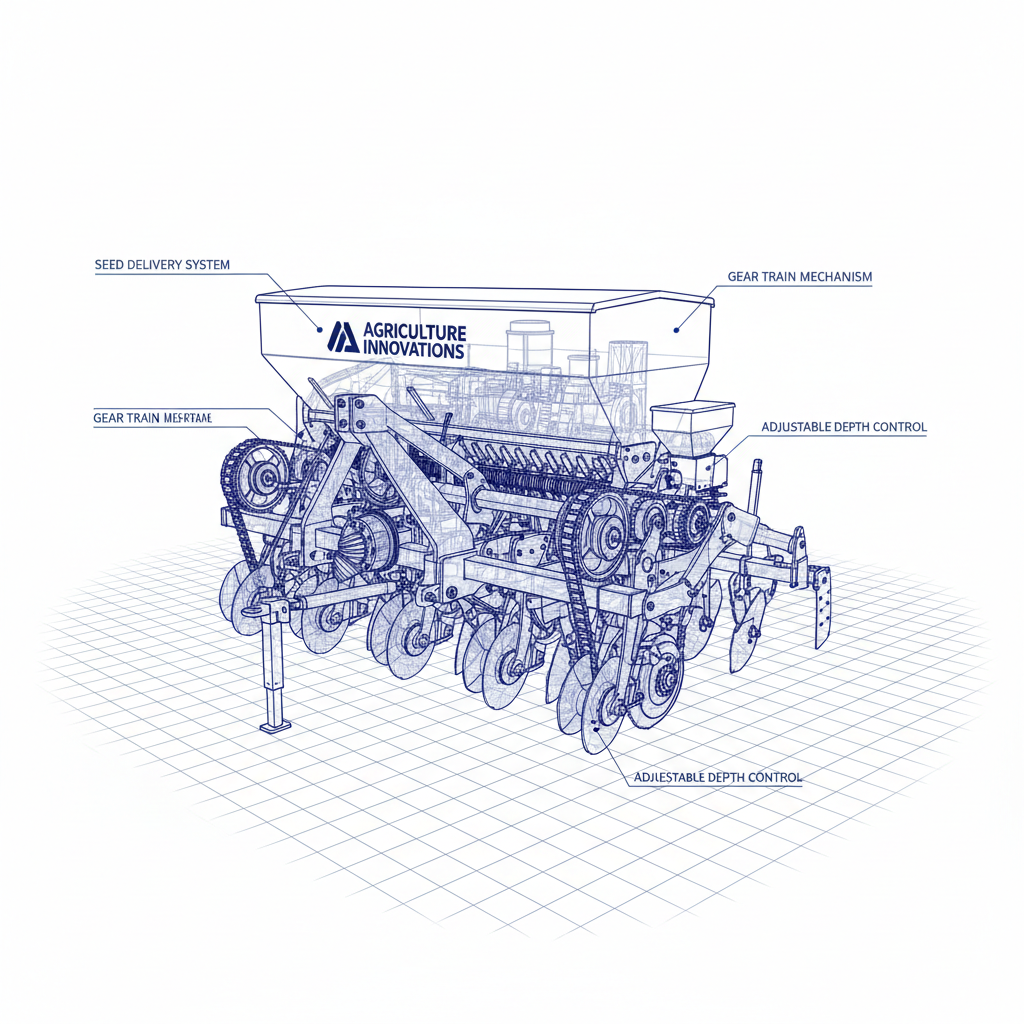
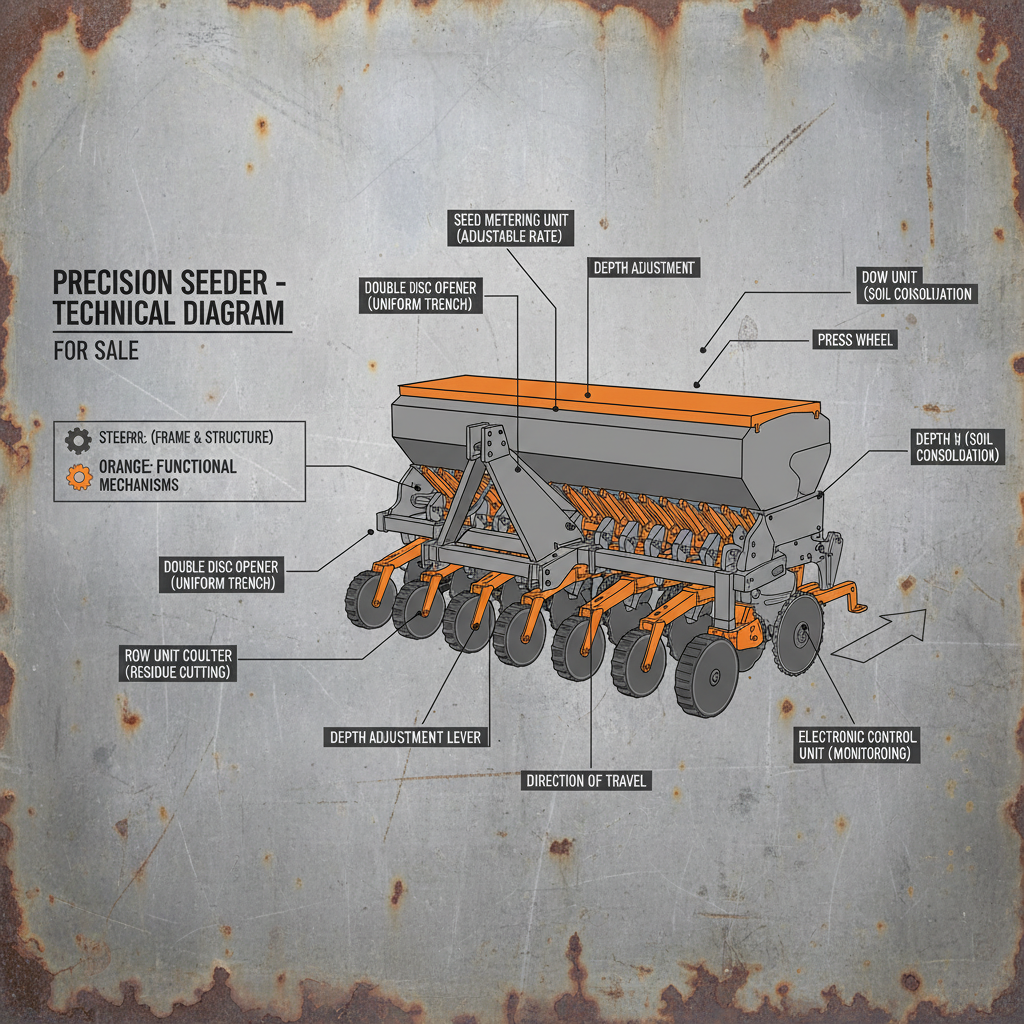
Among the most impactful innovations is the Combined Precision Seeder, a machine that embodies the essence of automated farming equipment by merging soil preparation, seeding, and fertilization into a single pass. This holistic approach not only saves time but also preserves soil structure, paving the way for a more resilient and productive agricultural future.
The Global Impact of Automated Farming Equipment
On a global scale, the deployment of automated farming equipment is fundamentally altering how we produce calories for a growing population. According to industry trends aligned with ISO standards for agricultural machinery, the shift toward automation reduces the reliance on seasonal manual labor, which has become increasingly scarce and expensive in many developed and developing nations. By automating the most repetitive and precise tasks, such as seeding and fertilization, farms can operate with higher consistency and lower error rates.
This technological shift is particularly evident in the adoption of multi-functional machinery. Instead of utilizing three separate machines for tilling, planting, and fertilizing, modern operators are turning to integrated solutions that accomplish these tasks in a single pass. This not only slashes fuel consumption and carbon emissions but also prevents the severe soil compaction typically caused by multiple heavy machinery passes, thereby safeguarding the long-term fertility of the land.
Defining Modern Automated Farming Equipment
In simple terms, automated farming equipment refers to a category of agricultural machinery that utilizes mechanical, electronic, and digital control systems to perform farming tasks with minimal human intervention and maximum precision. Unlike traditional tools, which rely on the operator's visual judgment and manual adjustment, these systems use sensors, hydraulic drives, and software to ensure that inputs—such as seeds and fertilizers—are delivered in exact quantities at exact locations.
This evolution is deeply connected to the humanitarian need for food security. By reducing seed waste and maximizing germination rates, these technologies ensure that a higher percentage of planted crops reach harvest. For instance, a precision seeder that can adjust depth from 1 to 10 cm and spacing from 5 to 30 cm allows farmers to optimize the environment for a wide variety of crops, from corn and wheat to sensitive vegetables like carrots.
Furthermore, the integration of these systems represents a move toward "smarter" industry practices. The connection between the machine and the digital interface—often via GPS and telemetry—transforms the tractor from a simple pulling machine into a data-collection hub. This allows for data-driven decision-making, where the farmer can adjust seeding rates in real-time based on soil quality or moisture levels.
Core Components of Precision Seeding Systems
The efficacy of automated farming equipment depends on several critical engineering components working in harmony. The first is the advanced seed metering system, which uses electric or hydraulic drives to eliminate the common issue of over-seeding or under-seeding. This ensures that each plant has sufficient space and resources to thrive, which is the cornerstone of high-yield agriculture.
Another vital component is the integrated fertilizer distributor. Rather than broadcasting nutrients across the entire field, this system performs "starter fertilizer placement," delivering nutrients directly to the seed zone. This targeted approach is a hallmark of sophisticated automated farming equipment, as it boosts early root development while reducing fertilizer runoff into local waterways by up to 25%.
Finally, the structural durability and soil-contact tools complete the system. High-grade steel frames resist corrosion in harsh environments, while disc harrows or tines prepare the soil bed immediately before the seed is dropped. The process concludes with a press wheel that firms the soil to retain moisture, ensuring the optimal conditions for sprouting—a level of precision that manual methods simply cannot replicate.
Operational Efficiency and Performance Metrics
Measuring the success of automated farming equipment involves analyzing tangible metrics such as seed waste reduction, fuel efficiency, and germination uniformity. When moving from traditional seeding to a combined precision system, the reduction in machine passes leads to a direct drop in fuel costs and hours spent in the field. Moreover, the ability to maintain exact seed spacing means that crop canopy development is uniform, which simplifies weed management and harvesting.
From a financial perspective, the reduction of seed waste by up to 30% and fertilizer waste by 20-25% provides a rapid return on investment. By leveraging GPS guidance, farmers eliminate the "overlaps and gaps" that plague traditional planting, ensuring that every square inch of the field is utilized efficiently without wasting expensive inputs.
Comparative Efficiency of Precision Seeding Systems
Real-World Applications in Diverse Agriculture
The versatility of these systems allows them to be deployed across a vast array of agricultural settings. In large-scale commercial plantations in the Americas or Eastern Europe, the Combined Precision Seeder is used to plant thousands of hectares of corn and soybeans with surgical precision, utilizing GPS telemetry to monitor seeding rates in real-time. This scale of operation requires the extreme durability of high-grade steel to withstand continuous 24-hour operation during planting windows.
Conversely, on smaller family farms in Asia or Africa, these machines provide a path toward modernization by reducing the grueling labor associated with manual sowing. By adapting to different soil textures—whether sandy, loamy, or clay—the equipment ensures that even in challenging terrains, crops like rice or vegetables are planted at the ideal depth. This adaptability makes the technology accessible to diverse farming communities, promoting sustainable growth regardless of the farm's size.
Long-Term Value and Sustainable Benefits
The long-term value of investing in automated farming equipment extends far beyond simple profit margins; it is about the stewardship of the land. By reducing the number of passes a tractor makes across a field, farmers significantly decrease soil compaction. Compacted soil restricts root growth and reduces water infiltration, but by consolidating tillage, seeding, and fertilizing, the soil remains porous and healthy for future generations.
Environmentally, the precision delivery of nutrients is a game-changer. Traditional broadcasting often results in fertilizer runoff, which contaminates groundwater and creates algae blooms in nearby streams. The precision seeder's ability to place nutrients exactly where the seed can reach them reduces the overall chemical load on the environment while simultaneously lowering the farmer's input costs.
Ultimately, this technology fosters a sense of trust and security for the farmer. The ability to track metrics through a digital interface transforms farming from a gamble against nature into a managed science. This psychological shift—from hoping for a good crop to engineering one—is the true emotional value of agricultural automation, providing dignity and stability to the profession.
Future Innovations in Smart Agriculture
Looking ahead, the trajectory of automated farming equipment is moving toward full autonomy and AI-driven optimization. We are seeing the emergence of machines that can analyze soil chemistry in real-time and adjust the fertilizer mix on the fly, ensuring that each seed receives a custom nutrient "cocktail" based on the specific needs of that square meter of soil. This level of hyper-precision will further drive down waste and push yields to their biological limits.
Integration with green energy is another critical trend. The shift toward electric-drive metering systems is just the beginning; the next generation of equipment will likely be paired with autonomous electric tractors, creating a completely carbon-neutral planting cycle. These systems will communicate with satellite imagery to identify the best planting dates based on predictive weather modeling, further reducing the risk of crop failure.
Moreover, the transition to no-till or reduced-till systems will be accelerated by these combined machines. By integrating tillage components that only disturb the narrow strip of soil where the seed is placed, farmers can maintain a permanent soil cover, sequestering more carbon in the ground and combating climate change while maintaining high productivity.
Comparison of Seeding Technologies and Environmental Impact
| Technology Type |
Seed Waste Reduction |
Soil Compaction Level |
Nutrient Efficiency |
| Manual Sowing |
Low (10%) |
Very Low |
Poor (3/10) |
| Traditional Seeder |
Moderate (20%) |
High |
Moderate (5/10) |
| Combined Precision Seeder |
High (30%) |
Low |
Excellent (9/10) |
| GPS-Guided Auto-Seeder |
Very High (35%) |
Very Low |
Excellent (10/10) |
| Semi-Automated Drill |
Moderate (25%) |
Moderate |
Good (7/10) |
| No-Till Precision System |
High (30%) |
Minimal |
Excellent (9/10) |
FAQS
The Combined Precision Seeder utilizes an advanced seed metering system powered by hydraulic or electric drives. Unlike traditional seeders that may drop seeds unevenly, this system ensures consistent spacing (5-30 cm) and depth (1-10 cm). By eliminating over-seeding and gaps, it can reduce seed waste by up to 30%, ensuring that every seed has the optimal space and resources to germinate successfully.
Yes, the Combined Precision Seeder is designed for broad compatibility. It is available in both 3-point hitch and pull-type designs, making it compatible with most modern tractors. Additionally, its frame is constructed from heavy-duty steel, ensuring it can be integrated into various fleet setups regardless of whether the farm operates on a small or large commercial scale.
Starter fertilizer placement is the process of delivering nutrients directly into the seed zone rather than broadcasting them across the whole field. The Combined Precision Seeder integrates a fertilizer distributor that places nutrients exactly where the young roots can access them. This boosts early root development, increases germination rates, and reduces fertilizer waste by 20-25%, lowering environmental runoff.
Absolutely. The machine is engineered for versatility, supporting grains (wheat, corn, rice), oilseeds (soybeans, canola), and vegetables (tomatoes, carrots). Its adjustable depth and spacing settings, combined with a robust design, allow it to perform effectively across various soil textures, including sandy, loamy, and clay soils, making it a truly universal tool.
Optional GPS guidance and telemetry systems allow for precise row alignment, which drastically reduces overlaps and gaps in the field. Through a user-friendly digital interface, farmers can monitor seeding rates, fertilizer usage, and field coverage in real-time. This data-driven approach minimizes human error and provides accurate records for future planning and regulatory compliance.
Yes. By combining tillage, seeding, fertilizing, and pressing into a single pass, the machine reduces the total number of times heavy equipment travels over the field. This significantly minimizes soil compaction—a major issue that restricts root growth and water absorption. Protecting the soil structure ensures long-term productivity and supports more sustainable farming practices.
Conclusion
The transition toward automated farming equipment, exemplified by the Combined Precision Seeder, represents a critical leap in agricultural productivity. By integrating multiple functions into one high-efficiency system, farmers can now achieve unprecedented precision in seed placement and nutrient delivery, leading to higher yields and significantly lower waste. The synergy of heavy-duty engineering and smart digital technology not only enhances the bottom line but also ensures the ecological sustainability of our food systems by protecting soil health and reducing chemical runoff.
As we look to the future, the adoption of these technologies will be the dividing line between struggling traditional farms and thriving, modern enterprises. Investing in precision automation is not just about upgrading machinery; it is about adopting a scientific approach to land management. We encourage agricultural operators to embrace these innovations to secure a more resilient, efficient, and sustainable future for global farming. Visit our website for more information: www.langningam.com