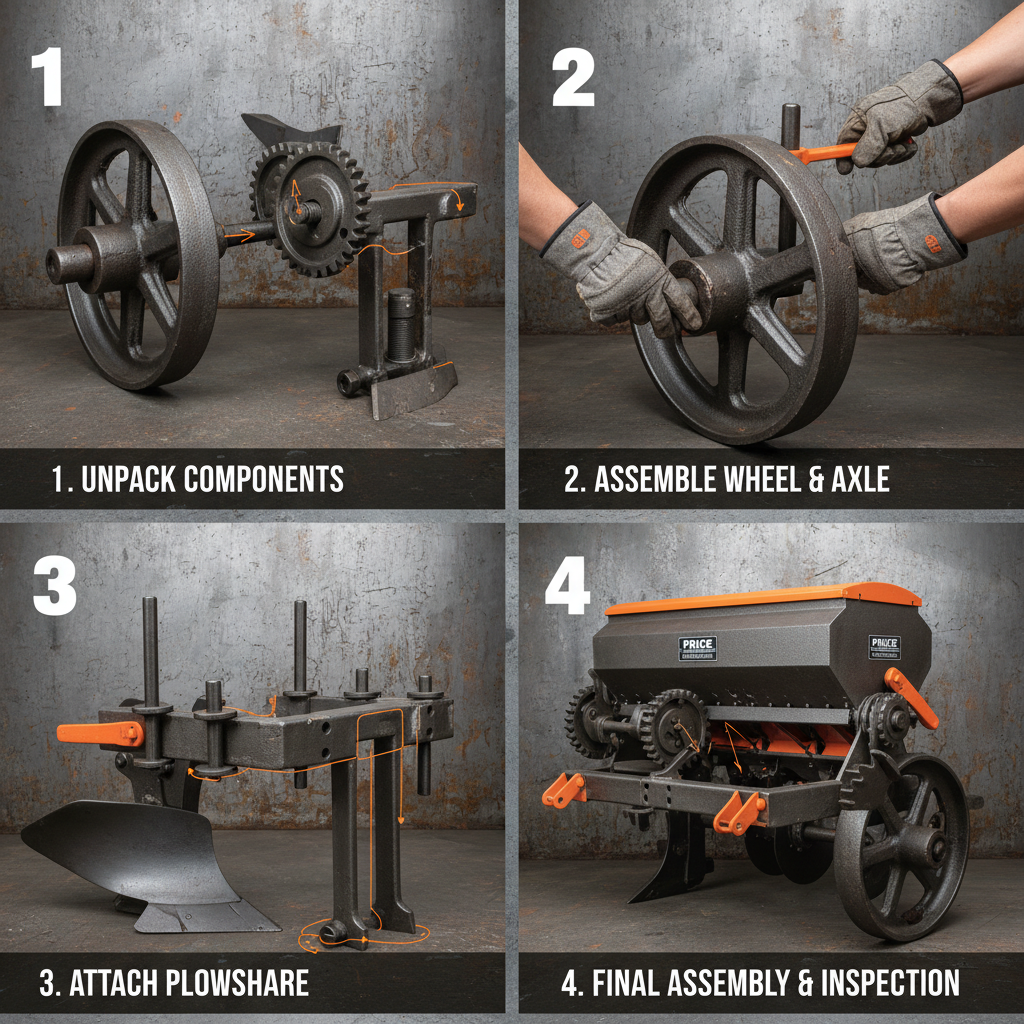
Agricultural productivity depends heavily on the availability of reliable machinery and the high-quality components that keep them running. From small-scale family plots to industrial farming operations, the ability to maintain equipment efficiently is the difference between a successful harvest and significant financial loss. Understanding the ecosystem of replacement components is essential for any operator looking to optimize their operational uptime.
In the modern agricultural landscape, the reliance on precision engineering has increased, making the procurement of exact-specification parts more critical than ever. Whether it is a simple bearing or a complex sensor, the quality of these components directly impacts the longevity of the machine. This reliance creates a global demand for spare parts that meet or exceed original equipment manufacturer standards.
By investing in high-quality basic farm equipment and maintaining it with precision-engineered spare parts, farmers can reduce their reliance on costly full-machine replacements. This approach not only preserves capital but also ensures that the food supply chain remains stable through minimized downtime and enhanced machinery reliability.
Global Relevance of Basic Farm Equipment Maintenance
The global agricultural sector faces the daunting challenge of increasing food production for a growing population while dealing with unpredictable climate shifts. Basic farm equipment serves as the backbone of this effort, but the true challenge lies in the maintenance of this hardware. According to industry trends, unplanned downtime in large-scale farming can lead to losses equivalent to thousands of dollars per hour, especially during critical planting or harvesting windows.
To combat this, the industry has shifted toward a "repair-first" mentality, emphasizing the use of high-quality spare parts over the complete replacement of machinery. By ensuring that components like gears, belts, and sensors are readily available and compatible, agricultural operations can maintain a steady workflow and reduce the economic volatility associated with equipment failure.
Defining the Scope of Basic Farm Equipment Components
When we discuss the components of basic farm equipment, we are referring to the essential spare parts designed to replace, repair, or maintain a wide range of agricultural machinery. These are not merely generic substitutes; they are precision-engineered components crafted to match the exact specifications, dimensions, and performance standards of the original parts to ensure seamless compatibility.
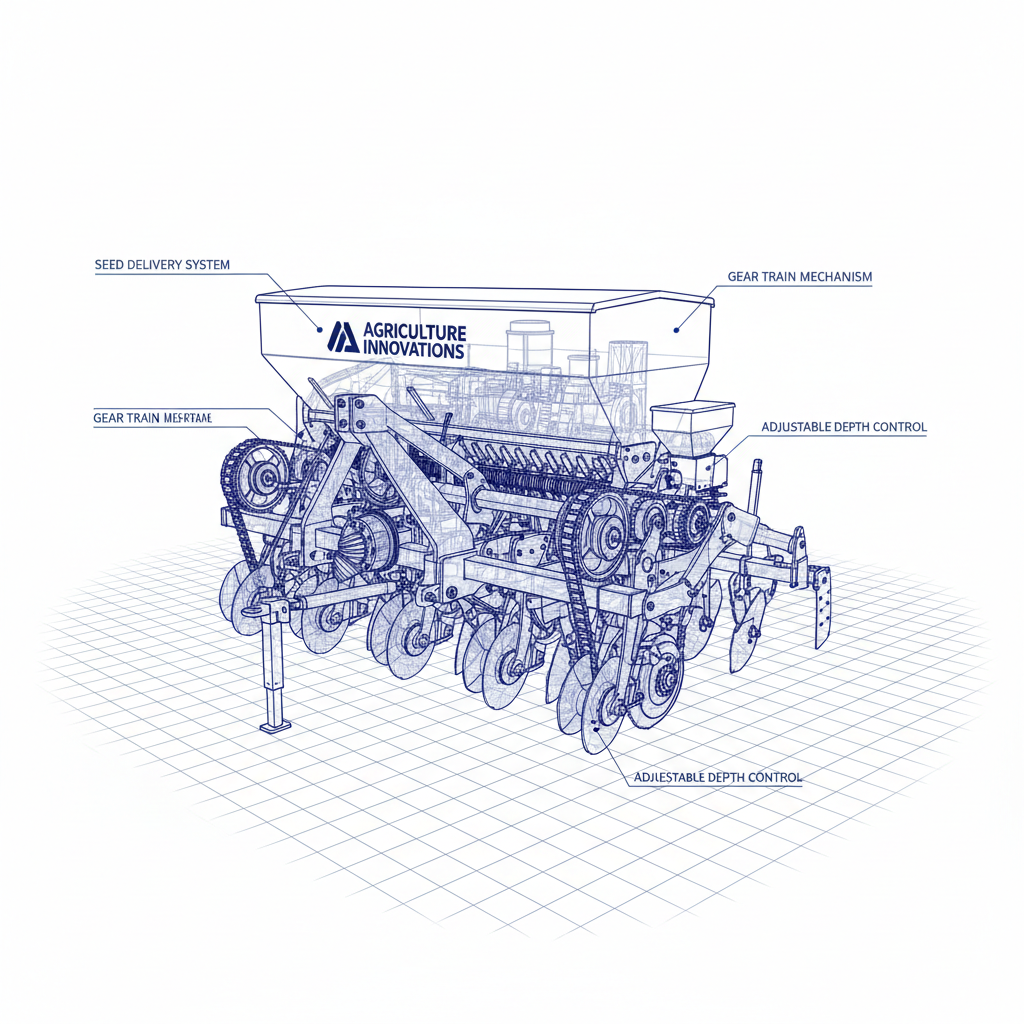
This scope encompasses everything from mechanical parts like bearings and gears to electrical components such as sensors and motors. In the context of field cultivators or seeding equipment, these spare parts are critical for maintaining the precision required for modern crop management, where a deviation of a few millimeters can affect yield.
Essentially, these components bridge the gap between a broken machine and a productive field. By providing an OEM-compatible alternative, these parts allow farmers to restore the full functionality of their machinery without the prohibitive cost of purchasing brand-new equipment from the original manufacturer.
Core Pillars of Equipment Reliability
The first pillar of reliability for any basic farm equipment system is exceptional compatibility. Precision engineering ensures that replacement parts fit perfectly into existing assemblies, eliminating the risk of fitment issues that could lead to premature wear or total mechanical failure.
Rigorous quality assurance forms the second pillar. By subjecting spare parts to material strength assessments and performance simulations, manufacturers ensure that the components can withstand the harsh environments typical of basic farm equipment usage, such as extreme temperatures and heavy dust exposure.
The final pillar is accessibility and ease of sourcing. A comprehensive catalog that categorizes parts by equipment brand and model allows operators to identify the exact component needed quickly, reducing the time a machine sits idle in the field.
Practical Applications Across Agricultural Zones
The application of high-quality spare parts varies significantly across different agricultural environments. In large-scale industrial farming, the focus is often on minimizing downtime for heavy-duty machinery like field cultivators. Here, having a stock of critical bearings and sensors on hand allows maintenance teams to perform repairs in hours rather than days, preventing massive production losses.
In contrast, for small-holder farms or remote agricultural zones, the value lies in cost-effective repairability. Instead of replacing a malfunctioning piece of seeding equipment, which could cost thousands of dollars, a farmer can replace a single pump or belt, extending the life of the machine and maintaining the viability of the farm's operations.
Performance Rating of Basic Farm Equipment Component Types
Long-Term Value and Sustainability
The use of high-quality spare parts offers a compelling economic advantage by transforming the lifecycle of agricultural assets. By promoting a "repair over replace" philosophy, operators can drastically reduce their capital expenditure. For instance, replacing a worn-out bearing in a production line is a fraction of the cost of replacing the entire machine, allowing for a more sustainable allocation of financial resources.
Beyond the financial gains, this approach provides significant environmental benefits. Reducing the demand for new machinery manufacturing lowers carbon emissions and conserves raw materials. By extending the lifespan of existing basic farm equipment, the agricultural community contributes to a circular economy, reducing landfill waste and lowering the overall ecological footprint of food production.
Future Innovations in Farm Machinery Parts
The future of agricultural maintenance is moving toward predictive intelligence. We are seeing the integration of smart sensors into basic farm equipment that can alert operators to a component's imminent failure before it actually happens. This transition from reactive to predictive maintenance ensures that spare parts are ordered based on actual usage data rather than guesswork.
Material science is also playing a huge role, with the introduction of advanced composites and alloys that offer higher durability and lower weight than traditional steel. These innovations mean that replacement parts will not only match original specifications but will often exceed them, providing longer intervals between maintenance cycles.
Additionally, the rise of digital inventory management and global logistics is simplifying the sourcing process. With automated reordering systems and faster shipping options, the gap between a part failure and its replacement is shrinking, further minimizing the risk of operational downtime.
Overcoming Common Maintenance Challenges
One of the most common pitfalls in maintaining agricultural machinery is the temptation to choose the cheapest available part without verifying compatibility. This often leads to fitment issues or premature failure, which ultimately costs more in labor and lost productivity than a high-quality part would have cost initially.
To overcome this, operators should adopt a rigorous selection process: identifying the exact equipment brand and serial number, cross-referencing part numbers with OEM lists, and evaluating quality certifications like ISO or CE. Consulting with product experts during the sourcing process is also critical to ensure that the chosen part is appropriate for the specific operational stress of the machine.
For business-scale operations, the challenge is often inventory management. Implementing a classification system—categorizing parts as "critical" versus "non-essential"—allows managers to balance stock levels with costs, ensuring that the most vital components for their basic farm equipment are always on hand to prevent a total halt in operations.
Comparison of Maintenance Strategies for Agricultural Machinery
| Maintenance Strategy |
Cost Impact |
Downtime Risk |
Equipment Lifespan |
| Reactive Repair |
Low initial, high long-term |
Very High |
Shortened |
| Scheduled Preventive |
Moderate / Consistent |
Low |
Extended |
| Predictive Maintenance |
Higher initial investment |
Minimal |
Optimized |
| Cheap Aftermarket Parts |
Very Low initial |
High (Failure prone) |
Degraded |
| OEM-Compatible Spares |
Balanced/Cost-effective |
Low |
Maintained |
| Full Machine Replacement |
Extremely High |
Low (Initially) |
Reset |
FAQS
The most reliable method is to cross-reference the part number from your equipment's original manual or the part itself with the supplier's compatibility chart. Always provide the exact brand, model, and serial number of your machinery to the supplier to ensure the dimensions and electrical specifications match perfectly, avoiding fitment issues.
Yes, when sourced from reputable manufacturers. High-quality compatible parts are engineered to meet or exceed OEM performance standards. They undergo rigorous material strength tests and performance simulations to ensure they can handle the same operational stress as the original components while offering a more cost-effective price point.
Cheaper, low-quality aftermarket parts often use inferior materials that fail prematurely. This not only increases the frequency of repairs but can also cause "collateral damage" to other components of your basic farm equipment, leading to more expensive repairs and significantly higher unplanned downtime during critical seasons.
Replacement intervals depend on usage intensity and environmental conditions. However, following a preventive maintenance schedule—replacing belts, bearings, and filters based on operating hours—is far more efficient than waiting for failure. Predictive maintenance using sensor data is the gold standard for optimizing these intervals.
Absolutely. Most professional suppliers offer flexible quantities, from single units for immediate DIY repairs to bulk orders for business inventory. Stocking "critical" components—those that would cause a total shutdown if they failed—is highly recommended to minimize downtime in manufacturing or farming operations.
By repairing instead of replacing entire machines, you significantly reduce the demand for new industrial manufacturing. This leads to lower carbon emissions, less raw material extraction, and a decrease in the amount of heavy machinery ending up in landfills, contributing to a more sustainable agricultural ecosystem.
Conclusion
Maintaining basic farm equipment through the use of precision-engineered spare parts is a strategic necessity for modern agriculture. By focusing on compatibility, rigorous quality assurance, and a proactive maintenance approach, farmers can ensure their machinery operates at peak efficiency while drastically reducing the costs associated with total equipment replacement. The synergy between reliable components and a well-managed inventory is what allows agricultural operations to remain resilient in the face of operational challenges.
Looking forward, the integration of predictive technology and sustainable material science will further revolutionize how we maintain our tools. We encourage all operators to move away from reactive repairs and embrace a system of precision maintenance to ensure long-term productivity and environmental stewardship. To find the perfect components for your machinery, visit our website: www.agriculturalmachinemfg.com