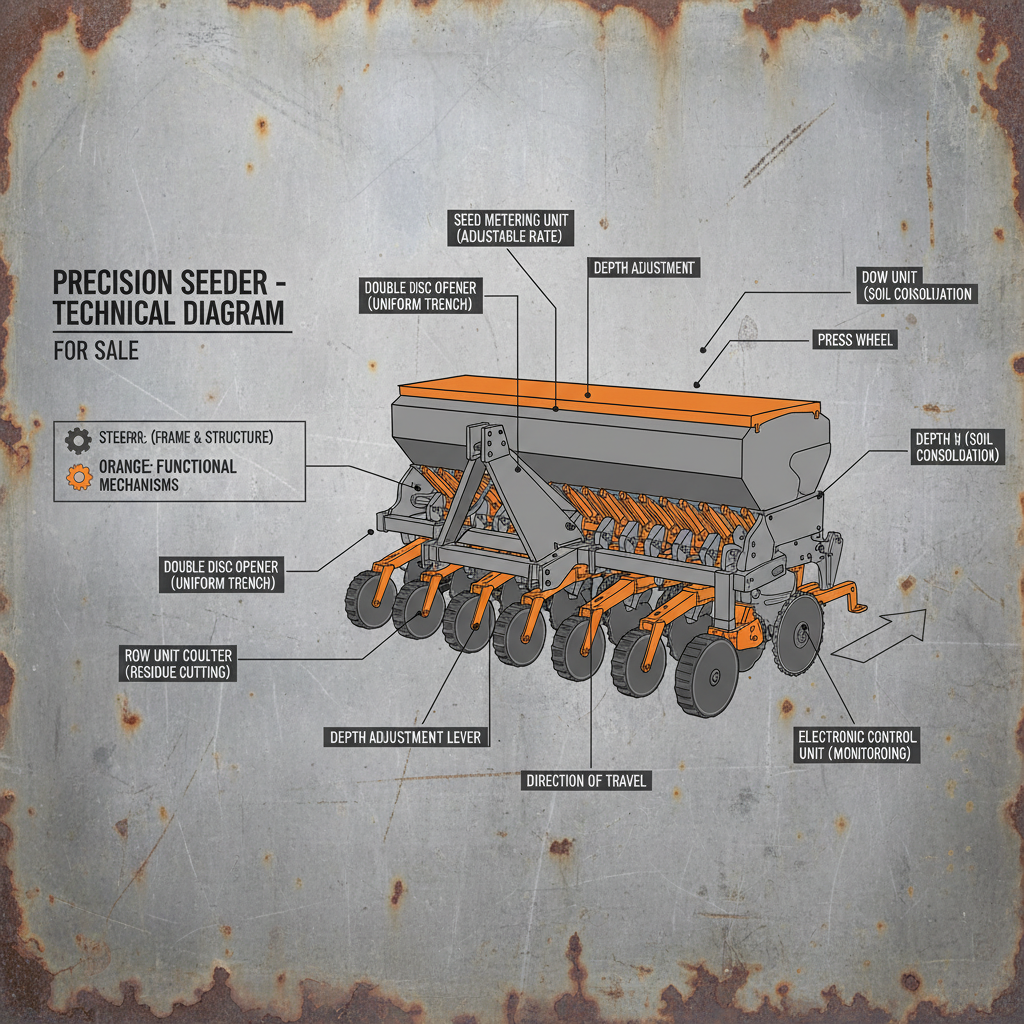
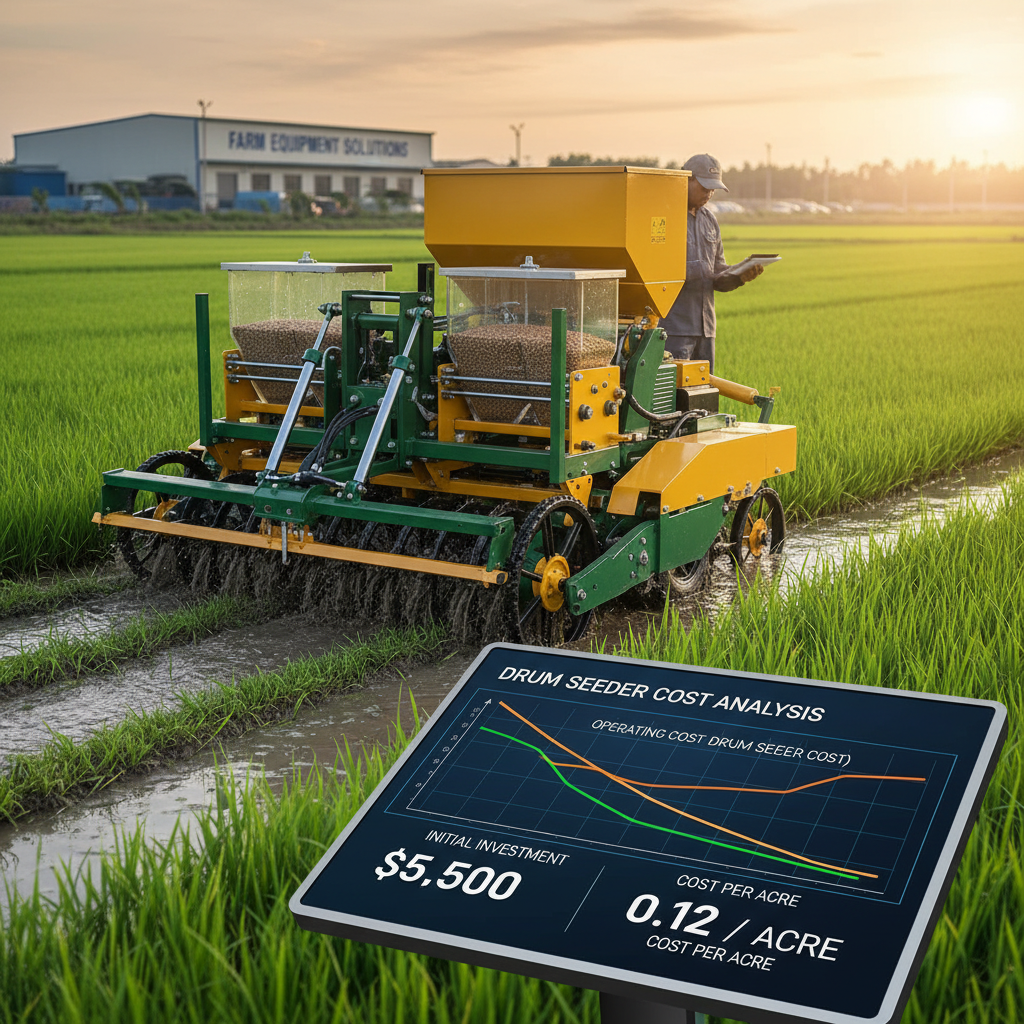
The modernization of agricultural seeding has led to the development of specialized components that ensure precision and efficiency in the field. Among these, the belt seeder systems stand out as critical innovations for farmers seeking to optimize seed placement and crop yield. By integrating high-performance belts and precision-engineered parts, these machines reduce seed waste and improve the overall consistency of planting across diverse soil types.
Across the global agricultural landscape, the demand for reliable spare parts for seeding equipment has surged as farmers move toward larger-scale, automated operations. Maintaining a belt seeder requires components that match original equipment manufacturer (OEM) specifications to avoid downtime during the narrow planting windows of the season. High-quality replacement belts, bearings, and sensors are essential to keep these complex systems running at peak performance.
Whether you are a professional fleet manager or an independent grower, understanding the technical requirements of your belt seeder is the first step toward sustainable productivity. Investing in precision-engineered spare parts not only extends the lifespan of the machinery but also ensures that every seed is delivered with the exact pressure and depth required for optimal germination, ultimately securing a more reliable harvest.
Global Relevance of Belt Seeder Technology
In the current era of global food security challenges, the efficiency of planting mechanisms has become a priority for international agricultural bodies. The integration of the belt seeder approach allows for a more controlled distribution of seeds, which is essential for maximizing land utility in regions with limited arable soil. By reducing the overlap and skipping of seeds, these systems align with ISO standards for precision farming.
Furthermore, the ability to maintain these systems through high-quality spare parts ensures that farming operations in developing nations can sustain their equipment without the prohibitive cost of full machine replacement. This accessibility promotes a more stable food supply chain by empowering local farmers to keep their belt seeder units operational throughout the entire planting cycle.
Defining the Modern Belt Seeder System
A belt seeder is a specialized planting mechanism that utilizes a continuous belt system to transport and place seeds into the soil with high precision. Unlike traditional gravity-fed systems, the belt-driven method provides a mechanical positive-metering action, which significantly reduces seed bounce and ensures that each seed is placed at a consistent interval.
This technology is deeply connected to the needs of modern industrial agriculture, where the goal is to achieve maximum uniformity. By utilizing precision-engineered belts and drive components, the system can handle various seed sizes and shapes without causing damage to the seed coat, which is critical for maintaining high germination rates across thousands of acres.
In essence, the belt seeder transforms the planting process from a variable-based activity into a controlled industrial process. This transition is vital for the implementation of variable-rate technology (VRT), allowing farmers to adjust seeding density in real-time based on soil quality data.
Core Components for Maximum Durability
The reliability of a belt seeder depends heavily on the synergy between its mechanical parts. The drive belt itself must be constructed from high-strength, abrasion-resistant materials to withstand the constant friction and environmental stress of field operations. When these belts wear down, replacing them with OEM-compatible spares is the only way to maintain timing accuracy.
Beyond the belt, the support bearings and tensioning sensors play a pivotal role in the belt seeder assembly. Precision bearings reduce mechanical drag and prevent heat buildup, while sensors monitor for belt slippage or breakage, alerting the operator immediately to prevent costly planting errors.
Finally, the housing and guiding rails must be engineered to minimize seed accumulation and clogging. High-quality spare parts for these components ensure that the belt seeder continues to operate smoothly even in dusty or muddy conditions, reducing the need for frequent stops and manual cleaning during the peak of the season.
Performance Metrics of Seeding Mechanisms
Measuring the efficiency of a belt seeder involves analyzing several key performance indicators, including seed placement accuracy, singulation rates, and the rate of mechanical wear. Precision is typically measured by the deviation from the target seed spacing, where a high-performing system maintains a variance of less than 5%.
The use of high-grade spare parts directly impacts these metrics by reducing mechanical play and ensuring that the belt maintains a constant velocity. When a belt seeder is maintained with precision components, the cost-per-acre decreases due to lower seed waste and improved crop emergence.
Comparative Efficiency of Belt Seeder Components
Real-World Applications in Global Agriculture
The implementation of belt seeder technology varies across different agricultural zones. In the vast prairies of North America, these systems are often integrated into massive air seeders to cover thousands of acres quickly. The focus here is on high-speed durability and the ability to swap spare parts rapidly to minimize downtime.
Conversely, in the high-precision vegetable farms of Europe and Asia, the belt seeder is utilized for specialty crops where spacing must be exact to allow for mechanical weeding. In these contexts, the emphasis is on the fine-tuning of the belt tension and the use of high-precision sensors to ensure nearly zero seed waste.
Long-Term Value of Precision Maintenance
Choosing a repair-over-replace strategy for a belt seeder offers significant economic and environmental advantages. By replacing only the worn-out belts or bearings rather than the entire seeding unit, farmers can reduce their capital expenditure by up to 80% while maintaining the same level of operational efficiency.
Moreover, the use of high-quality, OEM-compatible spare parts ensures that the machinery operates within its designed parameters, preventing secondary failures. For instance, a worn belt in a belt seeder can put undue stress on the motor; replacing the belt early saves the motor from premature burnout.
From a sustainability perspective, extending the life of agricultural equipment reduces the demand for new raw materials and lowers the carbon footprint associated with manufacturing. This makes the maintenance of the belt seeder not just a financial decision, but an ecological one.
Future Innovations in Seeding Equipment
The future of the belt seeder lies in the integration of smart materials and IoT connectivity. We are seeing the emergence of "self-sensing" belts that can communicate their wear level to a cloud platform, allowing farmers to order spare parts before a failure even occurs.
Additionally, advancements in polymer science are leading to the creation of belts that are more resistant to chemical fertilizers and extreme temperature fluctuations. These innovations will ensure that the belt seeder remains reliable in increasingly volatile climatic conditions.
Automation will also play a key role, with robotic systems capable of performing the precision alignment and installation of spare parts in the field. This will further reduce the downtime of belt seeder units, ensuring that the planting window is utilized to its maximum potential.
Core Analysis of Belt Seeder Maintenance and Innovation
| Component Type |
Wear Level (1-10) |
Replacement Cycle |
Impact on Yield |
| Main Drive Belt |
8 |
Every 2 Seasons |
High |
| Guide Bearings |
4 |
Every 4 Seasons |
Medium |
| Optical Sensors |
3 |
On-Demand |
High |
| Tensioning Springs |
5 |
Every 3 Seasons |
Medium |
| Seeding Rails |
2 |
Every 6 Seasons |
Low |
| Drive Pulleys |
6 |
Every 3 Seasons |
Medium |
FAQS
Depending on the intensity of use and soil abrasiveness, most drive belts should be inspected after every planting season and replaced every 2 to 3 seasons. Using high-quality OEM-compatible belts can extend this window, but checking for cracks or stretching is critical to maintain seed placement accuracy.
It is not recommended. A belt seeder requires precise timing and grip to ensure seeds are not skipped or doubled. Generic belts often lack the specific tension ratings and material durability required, which can lead to increased slippage and reduced crop yields.
Common signs include unusual grinding noises during operation, increased vibration in the seeding unit, or visible wear patterns on the belt. Replacing bearings early prevents the belt from tracking incorrectly and avoids potential motor failure.
The belt seeder uses a mechanical positive-metering system that physically captures and moves each seed. This eliminates the reliance on gravity or vacuum pressure alone, which can be inconsistent depending on seed size or moisture levels, resulting in much more uniform spacing.
While some basic bearings may be universal, drive belts and sensors are usually brand-specific due to differing dimensions and electrical protocols. Always refer to your equipment's serial number and compatibility chart to ensure the spare part fits perfectly.
The best strategy is to maintain a "critical spares kit" containing a spare belt, a set of bearings, and a backup sensor. By having these on hand, you can perform a 30-minute repair in the field rather than waiting days for a shipment during the peak planting window.
Conclusion
The adoption of the belt seeder represents a significant leap forward in agricultural precision, combining mechanical reliability with the needs of modern, large-scale farming. By focusing on the quality of spare parts—from abrasion-resistant belts to high-precision sensors—farmers can ensure that their machinery delivers maximum efficiency, reduces seed waste, and enhances overall crop yields.
Looking ahead, the marriage of these mechanical systems with digital monitoring will further revolutionize the planting process. We encourage all operators to prioritize proactive maintenance and invest in OEM-compatible components to secure the longevity of their equipment and the sustainability of their harvests. For more information on high-quality parts, visit our website: www.agriculturalmachinemfg.com