
Precision Seeder Planter Chassis Material Selection Guide

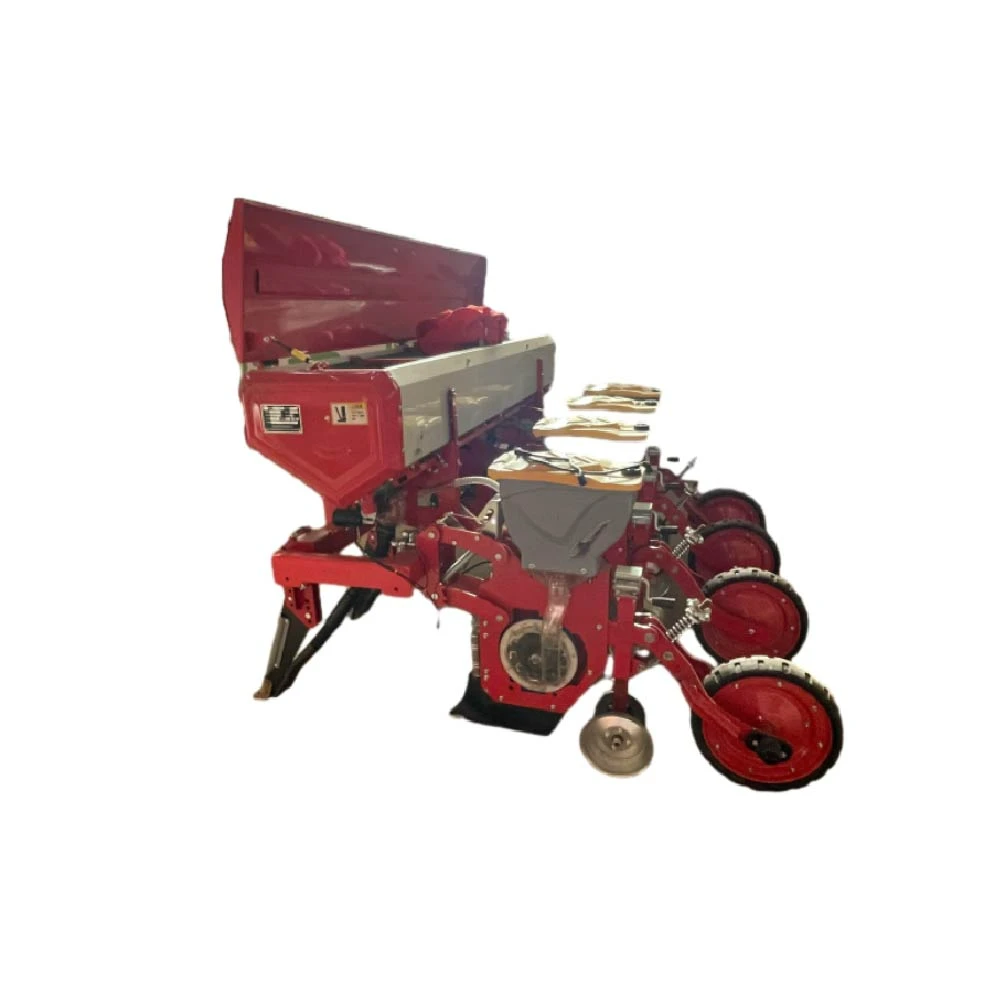
Procurement managers and agricultural engineers evaluating the Precision Seeder Planter must assess how material specifications align with demanding field conditions. Multi-row deployments across grains, oilseeds, and vegetable farming introduce complex mechanical and chemical stresses that require careful structural and surface evaluation.
The structural framework relies on high-grade steel to manage dynamic forces during operation. Operational environments involving grains, oilseeds, and vegetables subject equipment to continuous soil friction and chemical exposure. Balancing these factors depends directly on documented material properties and strict adherence to maintenance thresholds.
Engineering teams must review component durability against abrasive soil profiles and chemical fertilizer contact. Technical verification relies on direct communication channels with the supplier for material testing documentation, ensuring that all structural and surface decisions rest on verifiable data rather than unverified metallurgical assumptions.
Structural Rigidity and Torsional Load Balance in Multi-Row Deployments
Evaluating Surface Protection Against Abrasive Soils and Fertilizers
Surface Protection Protocols in Abrasive Agricultural Soils
Surface protection protocols must be evaluated against abrasive soil conditions and chemical fertilizer contact inherent in vegetable and grain farming. Protective measures applied to the exterior of the chassis and row units directly influence operational longevity when equipment operates continuously in mineral-heavy earth. Without appropriate surface treatment, accelerated wear degrades component integrity prematurely.

Material Thickness Considerations in Ground-Engaging Operations
Material thickness must withstand continuous friction generated by wheat, corn, rice, soybeans, canola, tomatoes, and carrots during field deployments. When machinery traverses dense soils, thinner profiles risk structural compromise under sustained abrasive loads. Selecting appropriate gauge thicknesses ensures that high-grade steel maintains its dimensional stability across extended operating cycles.
Managing Chemical Fertilizer Contact Risks
Agricultural operations involving oilseeds and vegetables frequently utilize granular and liquid chemical fertilizers that accelerate corrosion. The interaction between reactive agricultural chemicals and unprotected metal surfaces requires robust barrier properties. Engineering teams verify coating adhesion parameters during initial procurement reviews to mitigate localized breakdown.
Comparative Analysis of Material Stress Factors and Environmental Exposure
Contrasting structural load demands against chemical and abrasive surface exposure risks involves mapping how different farming operations stress equipment components differently.
Operational environments vary significantly across agricultural sectors. Grains (wheat, corn, rice) and oilseeds (soybeans, canola) generate high dynamic torsional loads on the main framework during wide-span field runs. Vegetable farming (tomatoes, carrots) introduces frequent exposure to corrosive chemical fertilizers and moist soils, shifting the primary degradation vector from mechanical stress to accelerated surface wear.
Mapping material specification requirements to specific field stress factors depends on whether the machinery faces intense soil friction or heavy structural twisting. The structured evaluation below outlines these operational contrasts.

| Application | Primary Material Stress Factor | Suitability for Humid Environments | Price Tier |
|---|---|---|---|
| grains (wheat, corn, rice) | dynamic torsional loads | depends on operational humidity levels | high-grade steel baseline |
| oilseeds (soybeans, canola) | frame alignment stress | depends on regional moisture exposure | high-grade steel baseline |
| vegetables (tomatoes, carrots) | chemical fertilizer contact | evaluated against corrosive soils | high-grade steel baseline |
Agricultural equipment deployed in vegetable operations requires careful monitoring of surface protection protocols. Structural steel thickness must withstand both the abrasive friction of sandy soils and the chemical degradation caused by continuous fertilizer application.
Navigating Procurement Validation and Metallurgical Documentation
Evaluating Metallurgical Assumptions in Procurement
Assuming unregistered metallurgical classifications introduces severe risks of premature component failure during high-load agricultural operations. Purchasing decisions based on generalized alloy assumptions rather than verifiable physical data jeopardize long-term machinery reliability across demanding multi-row field deployments.
Establishing Technical Dialogue
Technical validation depends on initiating direct engineering dialogues to review exact specifications. Relying on undocumented assumptions regarding material composition leaves purchasing managers vulnerable to unexpected mechanical degradation when equipment encounters aggressive soil and chemical fertilizer environments.
Prioritizing Documentation over Claims
Procuring high-grade steel components requires prioritizing official material testing documentation over unverified supplier claims. Import decisions must hinge on verifiable records depending on specific shipment volumes and intended destination ports rather than unconfirmed metallurgical descriptions.
Managing Operational Wear Patterns in Ground-Engaging Assemblies
Soil Friction and Mechanical Stress in Active Tillage Rows
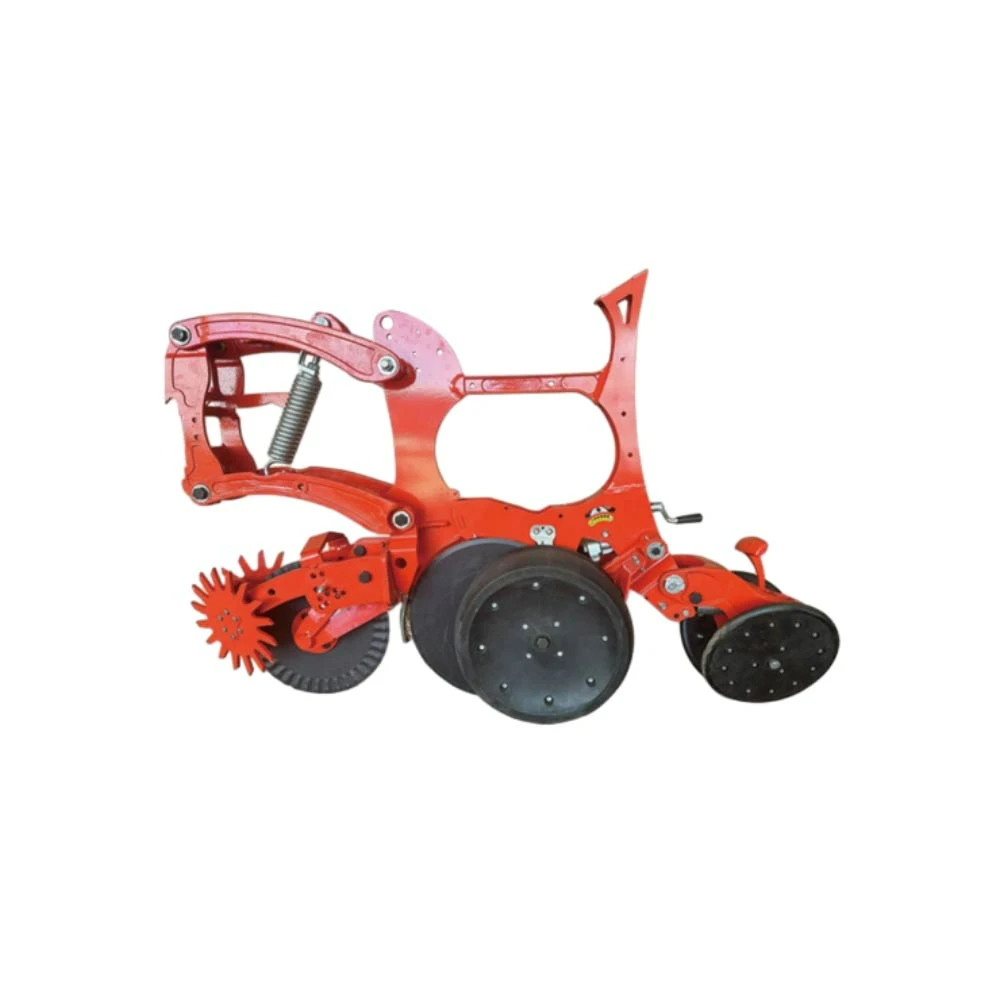
Ground-engaging assemblies experience constant abrasion from soil friction during multi-row planting tasks. Components such as furrow openers, seed boots, and press wheels absorb high mechanical stresses when interacting with dense earth profiles. Because these parts operate beneath the surface, their operational lifespan depends directly on soil texture and field moisture levels.
Operations involving abrasive soils accelerate surface wear, while wet conditions increase material adhesion and frictional drag. Field operators must continuously monitor physical degradation across all active rows to prevent uneven seed placement depths.
Risks of Arbitrary Replacement Thresholds During Field Work
Arbitrary replacement schedules based on visual estimates rather than verified wear limits lead to premature component disposal or unexpected in-field failures. When farm managers introduce self-invented replacement thresholds without referencing engineering guidelines, equipment calibration drifts outside acceptable tolerances. This practice compromises seeding accuracy across various crop fields.
- Premature discarding of functional metal parts increases overall maintenance budgets without improving crop yield consistency.
- Delayed component replacement results in structural misalignment and inconsistent furrow depths during high-speed planting runs.
- Unverified intervention intervals disrupt scheduled farm workflows during critical seasonal planting windows.
Adhering to Operational Wear Context Guidelines
Operational wear context guidelines dictate that component inspections must align with specific soil conditions and crop types rather than arbitrary time intervals. Vegetable farming operations involving carrots and tomatoes subject ground tools to distinct chemical and abrasive forces compared to broadacre grain cultivation. Maintenance personnel must therefore adapt inspection frequencies to match the specific abrasive profile of the targeted soil.

Strict adherence to operational wear context guidelines ensures that structural integrity remains intact throughout multi-row deployments. By evaluating degradation patterns against specific soil types and chemical fertilizer exposure levels, maintenance teams optimize the lifecycle of high-grade steel components without relying on unverified numerical limits.
Implementing Supplier-Provided Maintenance Criteria and Replacement Thresholds
Operational Integration of Maintenance Guidelines
Daily management routines for agricultural equipment require systematic incorporation of manufacturer instructions to prevent premature part failure during multi-row field deployments. When operating across extensive acreage planted with wheat, corn, and soybeans, maintenance schedules must correspond directly to machinery working hours and local soil profiles.
Monitoring component degradation safely is achieved by following visual inspection intervals and physical wear parameters provided in official documentation, avoiding guesswork entirely. Degradation rates depend strictly on operating conditions, soil abrasiveness, and seasonal workload intensity rather than arbitrary time intervals. Technicians check joints, linkages, and ground-engaging sections regularly for micro-fractures or abnormal friction marks.
Aligning Field Practice with Manufacturer Specifications
Field maintenance practices must remain synchronized with official engineering limits to preserve equipment warranty status and structural reliability. Adjustments to seed placement depth and row unit pressure should reflect the specific physical characteristics of grains, oilseeds, and vegetable crops being handled.
- Verify alignment of row units before each planting session to maintain consistent spacing.
- Inspect surface protection layers after operating in aggressive soil environments.
- Record operating hours meticulously to schedule routine service before tolerances are exceeded.
Maintenance logs help fleet operators track long-term wear trends across diverse agricultural environments, ensuring that every intervention matches factory thresholds. Depending on the destination port and regional shipping schedules, replacement parts should be ordered well in advance of peak planting seasons to avoid operational delays.
Frequently Asked Questions
Procuring machinery for diverse agricultural sectors requires mapping structural stress factors directly to the specific crop type being cultivated. Grains and oilseeds present heavier mechanical torsion due to wider implement spans, whereas vegetable farming introduces localized chemical risks from granular and liquid fertilizers. Decision-makers must evaluate these variables against the material properties of high-grade steel, ensuring the chassis specification matches the primary application profile.
Assuming unregistered alloy grades or unverified chemical compositions introduces severe structural risks during field deployments. Without official material testing documentation, purchasing teams cannot verify whether the chassis will withstand dynamic torsional loads or corrosive fertilizer contact. Procurement validation must rely strictly on verified documentation rather than generalized metallurgical assumptions to prevent premature equipment failure.
Ground-engaging assemblies experience continuous friction against stones, sand, and dense earth across grains, oilseeds, and vegetable fields. This ongoing abrasion gradually alters component geometry, affecting furrow depth and seed placement accuracy over time. Maintenance schedules must account for these gradual degradation patterns, with exact replacement timing dictated by field intensity and local soil abrasiveness rather than arbitrary calendar intervals.
Operational teams should implement regular visual inspections and dimensional tracking against baseline manufacturer parameters to monitor wear safely. Documented maintenance criteria provide a reliable framework for identifying when ground-engaging assemblies approach the end of their operational lifecycle. Exact intervention points depend on the specific soil conditions and daily workload encountered across commercial farming operations.
Acquisition timelines for agricultural machinery are shaped by production scheduling, destination port logistics, and total order volume. While high-grade steel specifications dictate manufacturing complexity, final delivery dates depend heavily on shipping routes and seasonal demand peaks in global agricultural markets. Procurement managers must factor these variables into their seasonal deployment schedules well ahead of planting windows.
Conclusion
Finalizing equipment acquisition for agricultural operations processing diverse crop varieties requires locking down material verification before dispatch. Procurement schedules depend heavily on coordinating final specifications based on target port destinations and order quantities.
Engineering leads and purchasing agents should complete final technical reviews by examining material composition test records directly through established communication channels. This confirms that the high-grade steel framework meets all load parameters for intensive multi-row deployment across grains and oilseeds.