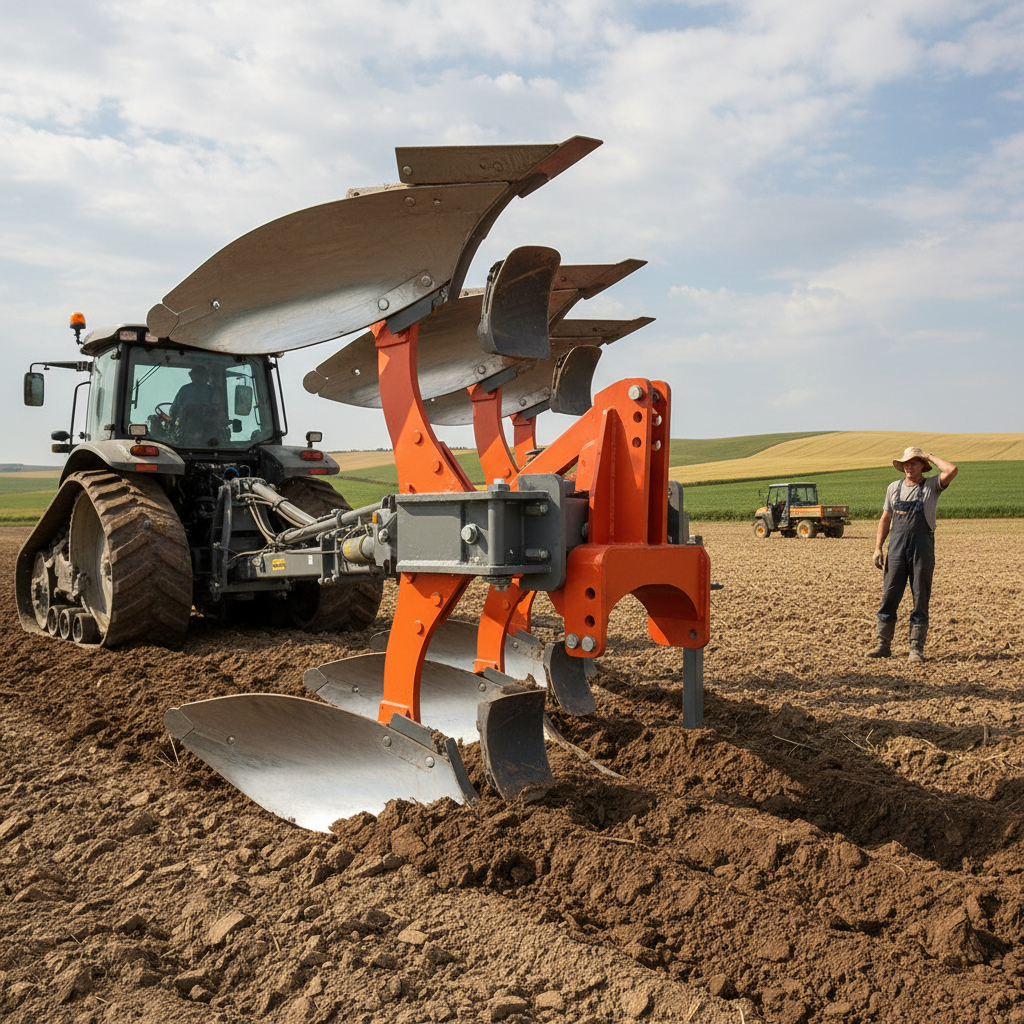
When farmers evaluate the harrow cultivator price, they are often looking beyond a simple sticker value to the total operational impact on their seasonal budget. In the specialized sector of agricultural machinery manufacturing, the cost of tilling and seeding equipment is inextricably linked to soil durability, fuel consumption, and the long-term yield potential of the crop.
Modern agricultural operations are shifting away from single-function tools toward integrated systems that reduce the number of passes over a field. This evolution transforms the procurement logic from buying a "piece of iron" to investing in a productivity multiplier that manages soil health and seed placement simultaneously.
Understanding the variables that drive equipment pricing—ranging from high-grade steel construction to GPS-compatible control systems—allows commercial growers to maximize their return on investment while adhering to sustainable farming standards.

Decoding the Financial Drivers of Tillage Equipment Costs

The market price for a harrow cultivator or combined seed drill is rarely static; it is a reflection of the engineering complexity and material quality embedded in the machine. High-grade steel frames and precision-engineered tines are primary cost drivers, as they ensure the equipment can withstand the abrasive nature of heavy clay or sandy soils without premature structural failure.
Beyond raw materials, the integration of multi-functional capabilities—such as combining tilling, fertilizing, and seeding—shifts the value proposition. While a combined unit may have a higher initial price than a basic seeder, the reduction in tractor passes directly lowers fuel expenditures and labor costs, effectively lowering the total cost of ownership over the machine's lifecycle.
Furthermore, the inclusion of hydraulic depth control and electronic adjustment panels adds a layer of technical cost but provides the precision necessary to avoid seed waste. In an era of rising input costs, the ability to place seeds at an exact depth ensures uniform germination, which is a critical factor in safeguarding the farm's primary revenue stream: the crop yield.
Technical Value Pillars of Modern Combined Seeding Systems
At the core of a high-performance Combined Seed Drill is the ability to execute a complex sequence of soil interactions in one pass. This requires a robust frame capable of supporting simultaneous tillage and seeding mechanisms without compromising the alignment of the seed distribution system.
Precision is achieved through adjustable seed spacing and depth control systems. By allowing the operator to tailor the machine to specific crop needs—such as the shallower depths required for wheat versus the deeper placement needed for corn—the equipment eliminates the risk of poor crop establishment. This precision is often augmented by built-in fertilizer distribution, which places nutrients directly in the seed zone.
Durability is managed through the use of specialized alloys and wear-resistant coatings on the tines and discs. These components are designed to minimize soil friction and resist corrosion, ensuring that the equipment maintains its operational accuracy over thousands of acres of use across various geographical regions, including Europe and South America.
Application Dynamics Across Diverse Soil and Crop Profiles
The versatility of integrated tillage equipment is best demonstrated in its adaptability to varying soil textures. In light sandy soils, the focus is on maintaining moisture and preventing seed washout, whereas in heavy clay, the priority is breaking the surface tension to allow root penetration.
For large-scale commercial operations, wider working widths (4-6 meters) are essential to cover vast acreages within the narrow weather windows of spring planting. These machines are typically paired with high-horsepower tractors to maintain a consistent speed, which is vital for the accuracy of the seed metering mechanism.
Conversely, small-scale family farms often require compact drills (2-3 meters) that can maneuver in tight field corners and uneven terrain. Regardless of scale, the ability to switch between different crop types—from soybeans to barley—using adjustable settings makes the combined drill a flexible asset that reduces the need for multiple specialized machines.
Measuring Operational Efficiency and Resource Consumption
The transition to integrated seeding equipment is fundamentally a move toward resource efficiency. By eliminating the need for separate tilling and seeding trips, farmers see a measurable reduction in fuel consumption and soil disturbance.
When analyzing the impact on the bottom line, the focus shifts from the initial equipment cost to the "per-acre" operational cost. Integrated systems reduce the time spent in the field, which minimizes the window of exposure to unpredictable weather patterns and lowers the demand for seasonal hired labor.
Integrated vs Traditional Seeding Efficiency
As shown in the efficiency metrics, the integrated approach significantly outperforms traditional multi-pass methods in terms of time savings and soil preservation. The reduction in tractor passes not only saves fuel but also prevents the deep-layer soil compaction that can hinder root growth and reduce long-term fertility.
Strategic Procurement Guidelines for Commercial Farm Equipment
Selecting the right equipment requires a rigorous evaluation of tractor compatibility and field topography. A common procurement error is underestimating the horsepower required to pull a wide combined drill through heavy soil, which can lead to uneven seed placement and excessive tractor wear.
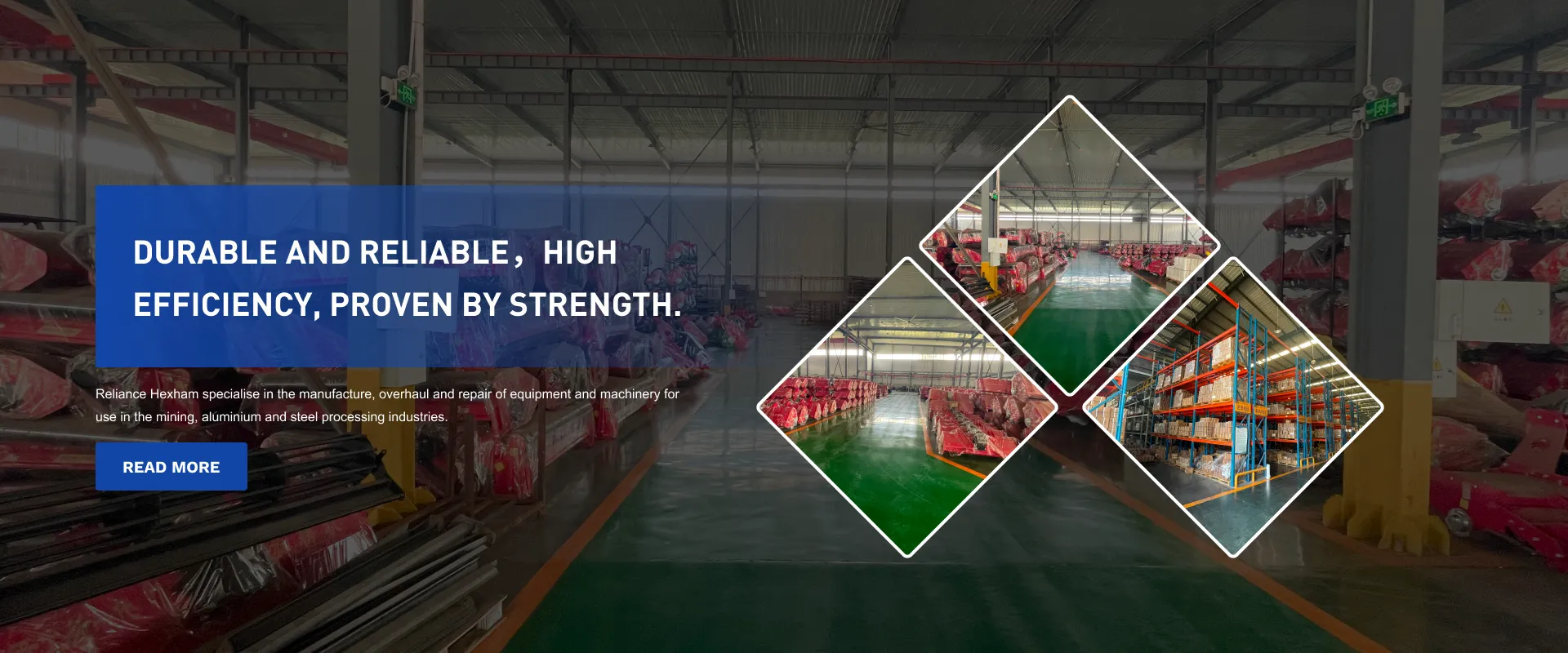
Buyers should prioritize manufacturers that offer comprehensive after-sales support and a reliable supply of spare parts. Since seeding is a time-critical operation, the downtime caused by a broken tine or a faulty hydraulic valve can result in significant yield losses if the planting window is missed.
Additionally, GPS compatibility is no longer a luxury but a necessity for commercial operations. Systems that allow for precise field mapping prevent over-seeding and overlapping, which further optimizes the use of expensive seed stocks and fertilizers.
Future Trends in Precision Soil Preparation Technology
The trajectory of agricultural machinery is moving toward "intelligent tillage," where sensors in real-time adjust the depth and pressure of the drill based on the soil resistance encountered. This dynamic adjustment could further reduce seed waste and improve germination rates in highly variable soils.
Sustainable farming practices are also driving the adoption of no-till and minimum-tillage combined drills. By leaving crop residues on the surface, these machines help in carbon sequestration and reduce wind erosion, aligning commercial productivity with global environmental goals.
We are likely to see a greater integration of AI-driven analytics that correlate seeding depth and fertilizer application with historical yield maps. This data-centric approach allows farmers to treat different zones of a single field with tailored precision, maximizing the genetic potential of the seed.
Comparing Integrated Seeding Solutions for Optimized ROI
To determine the most viable investment, farmers must compare different equipment configurations based on their specific operational constraints and crop goals.
The following analysis compares common configurations of tilling and seeding equipment to illustrate how technical specifications influence the final operational outcome.
| Equipment Configuration | Primary Use Case | Key Cost Driver | ROI Impact Factor |
|---|---|---|---|
| Compact Combined Drill | Small-scale/Uneven Terrain | Maneuverability/Frame | Labor Reduction |
| Wide Commercial Drill | Large-scale Flat Fields | Working Width/HP | Time Efficiency |
| No-Till Integrated Seeder | Sustainable/Conservation | Specialized Tines | Soil Health |
| Fertilizer-Integrated Drill | Nutrient-Poor Soils | Distribution System | Yield Increase |
| GPS-Enabled Precision Drill | High-Value Cash Crops | Control Electronics | Seed Waste Reduction |
| Standard Field Cultivator | General Soil Prep | Basic Steel Grade | Initial CapEx |
Ultimately, the choice depends on the balance between initial investment and long-term operational savings. While a high-specification precision drill requires more upfront capital, the gains in seed efficiency and soil preservation typically offer a more favorable ROI for professional growers.
Frequently Asked Questions
Conclusion
Investing in integrated agricultural machinery is a strategic decision that balances initial capital expenditure against long-term operational efficiency. By consolidating tilling, fertilizing, and seeding into a single operation, farmers can significantly reduce their environmental footprint while increasing their overall productivity.
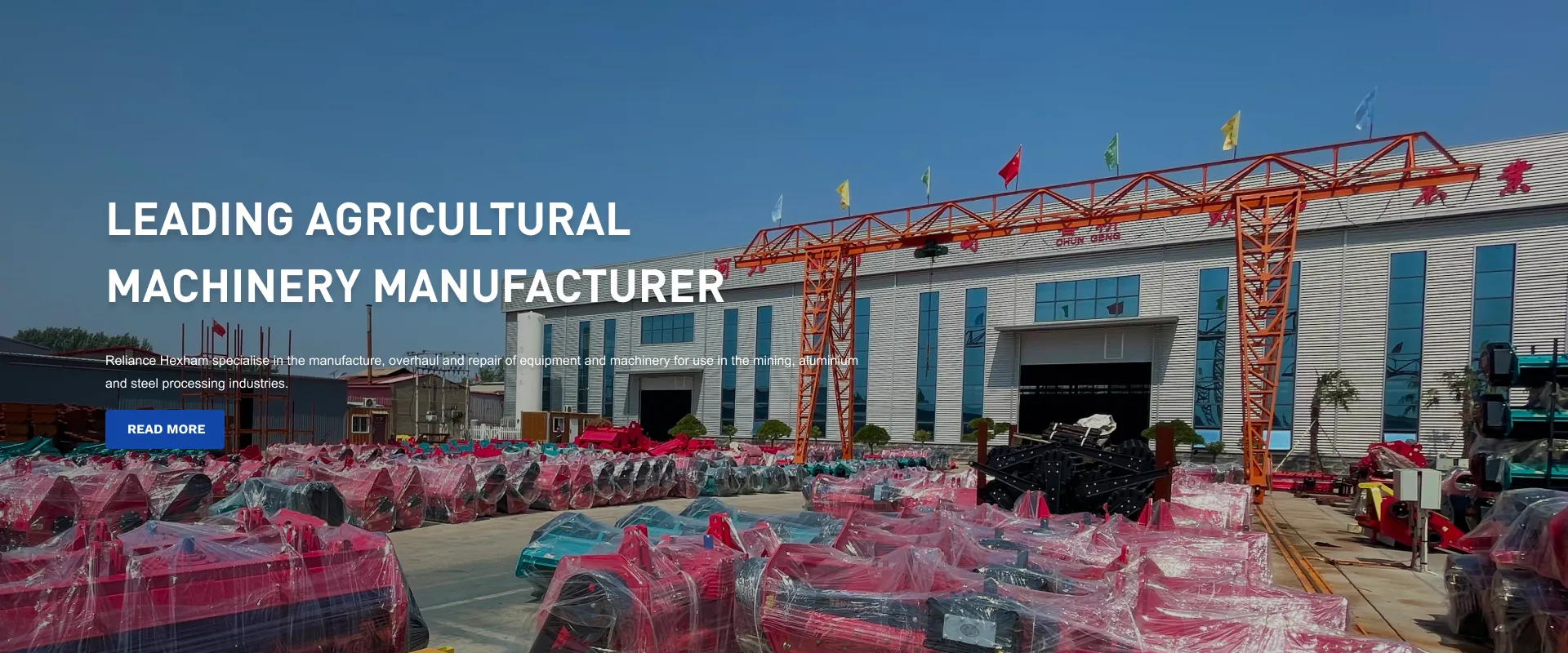
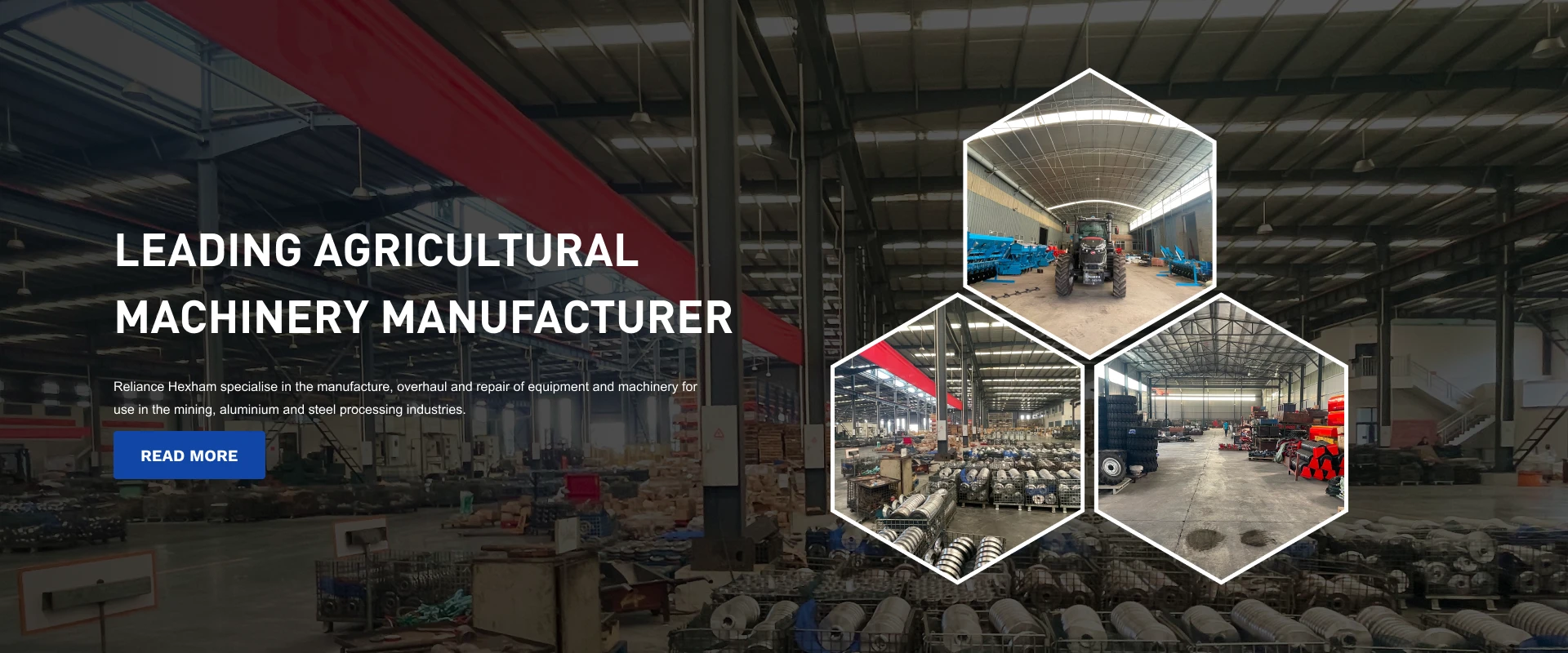
Those evaluating the balance of cost, precision, and durability can review the relevant product and company information available through www.agriculturalmachinemfg.com to find a solution tailored to their specific soil and crop requirements.