
When evaluating the smart seeder price, agricultural operators must look beyond the initial sticker cost to understand the total value proposition. In the specialized field of agricultural machinery manufacturing, the shift toward precision seeding represents a critical investment in operational efficiency and long-term soil viability.
The primary challenge for modern farmers is balancing the high upfront cost of smart technology with the immediate need to reduce seed waste and fertilizer runoff. A combined precision system solves this by integrating multiple field passes into one, directly impacting fuel consumption and labor overhead.
This analysis provides a comprehensive framework for understanding the cost drivers of precision seeding equipment, evaluating the return on investment (ROI), and selecting the right configuration based on crop type and farm scale.

Analyzing the Cost Structure of Precision Seeders

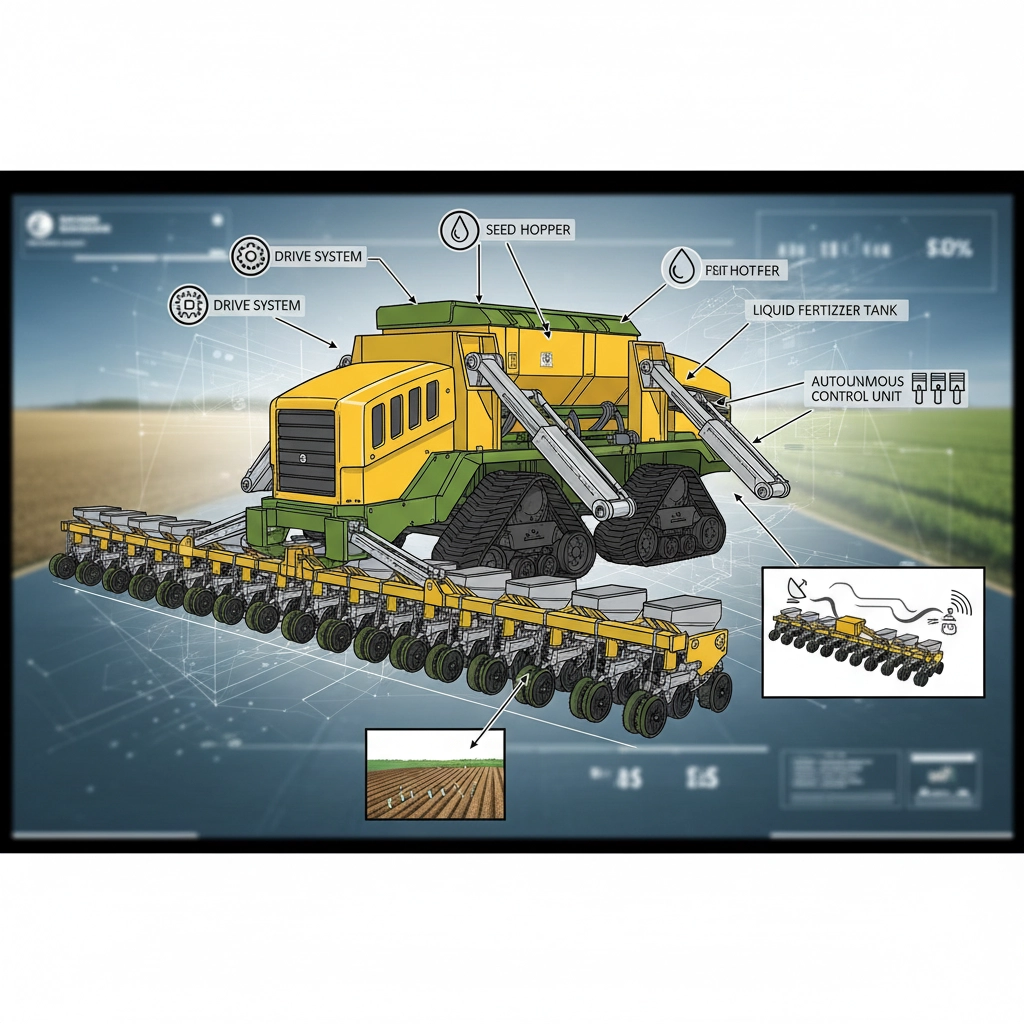
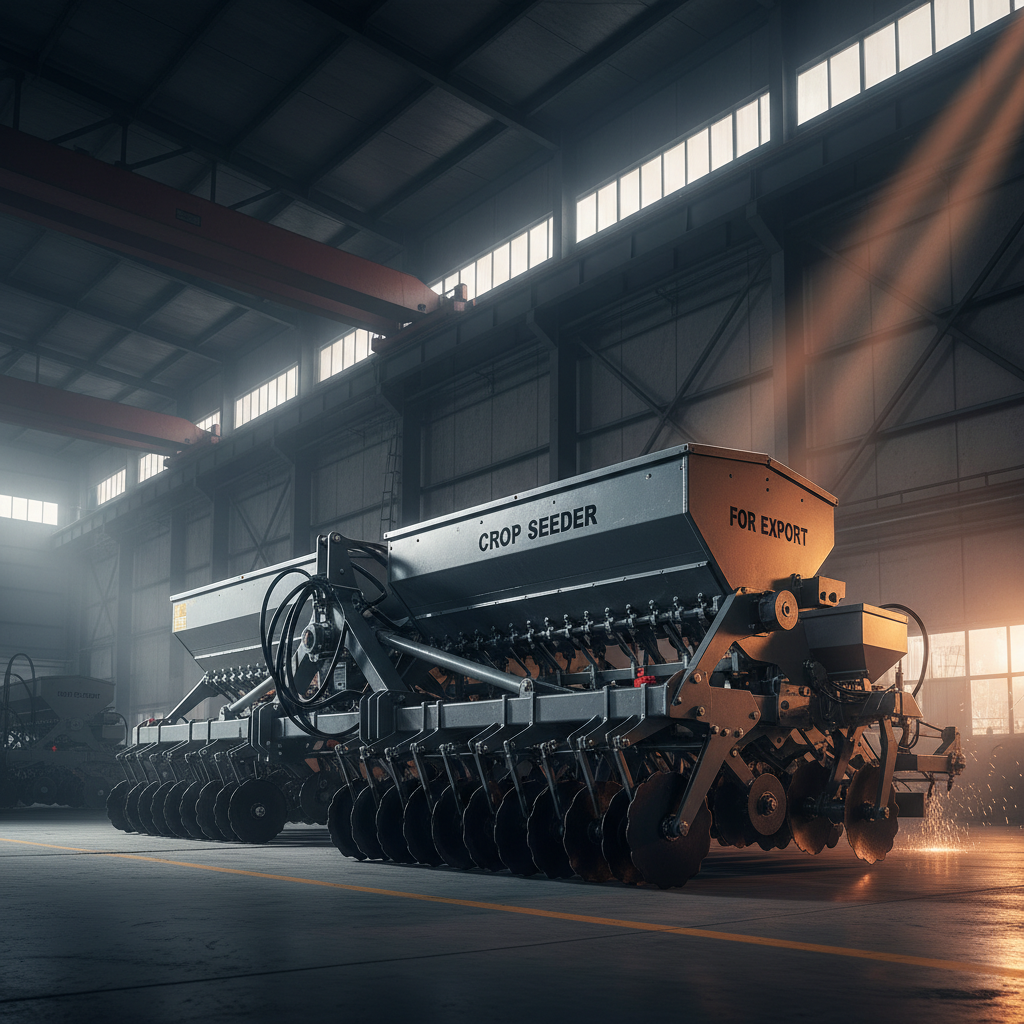
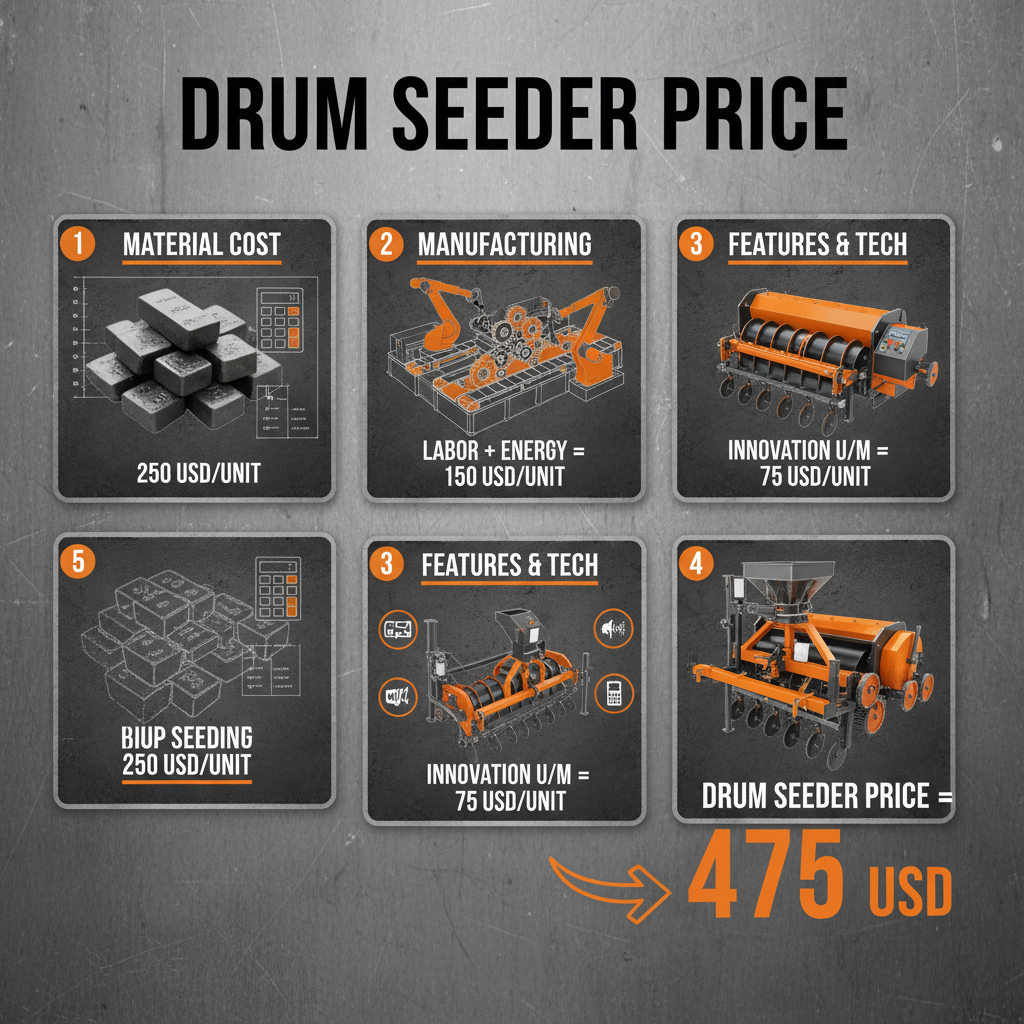
The smart seeder price is determined by a combination of material grade, integration complexity, and electronic sophistication. Unlike basic seeders, a combined precision system integrates soil tillage, seed metering, fertilizer application, and soil pressing into a single chassis, which significantly increases the manufacturing cost due to the requirement for high-grade, corrosion-resistant steel frames.
From an engineering perspective, the cost is heavily weighted toward the seed metering system. Whether utilizing hydraulic or electric drives, the ability to maintain a consistent depth (1 to 10 cm) and spacing (5 to 30 cm) across varying soil textures requires precision-machined components that command a premium over conventional broadcast tools.
Key Technical Drivers Influencing Market Price
The inclusion of "smart" capabilities—specifically GPS guidance and telemetry systems—creates a tiered pricing structure. These additions allow for precise row alignment and real-time monitoring of seeding rates, which minimizes overlaps and gaps, thereby maximizing the usable area of the field.
Another major cost driver is the targeted fertilizer delivery system. By moving from broad application to "starter fertilizer placement" directly in the seed zone, the machine requires more complex distribution manifolds and sensors. This technical sophistication is what allows farmers to reduce fertilizer waste by 20–25%, making the higher initial price a strategic move for input cost reduction.
Operational ROI: Offsetting the Initial Investment
Return on investment for precision seeding is realized through three primary channels: input savings, labor reduction, and yield improvement. By reducing seed waste by up to 30%, the equipment pays for itself over several planting seasons, especially when operating with high-value oilseeds or specialized vegetables.
Furthermore, the "all-in-one" functionality eliminates the need for multiple machine passes. This leads to a drastic reduction in fuel consumption and minimizes soil compaction. Reduced compaction protects the long-term productivity of the soil, preventing the yield decay often seen in fields subjected to repeated heavy machinery passes.
Relative Value Index by Equipment Complexity
To understand how different feature sets impact the overall investment, we can look at a normalized value index. This conceptual framework illustrates the relationship between the complexity of the seeder (from basic to fully automated) and the relative impact on operational efficiency.
As shown in the illustrative index, the jump from a standard seeder to a combined precision system provides the most significant gain in efficiency per unit of cost. While the move to full GPS-integrated telemetry increases the price further, it provides the critical data needed for large-scale commercial plantations to optimize their entire crop cycle.
Matching Equipment Scale to Farm Requirements
Not every operation requires the highest-tier smart seeder. Small family farms may find that a pull-type design without full telemetry meets their needs, while large-scale commercial operations require 3-point hitch compatibility with full GPS integration to manage thousands of hectares efficiently.
The choice of crop also dictates the required specifications. Grains like wheat and corn require different spacing and depth settings than oilseeds or vegetables. Investing in a versatile machine that allows for adjustable spacing (5-30 cm) ensures that the equipment remains useful as the farm rotates crops or adapts to new market demands.
Hidden Costs and Long-term Maintenance Factors
Beyond the smart seeder price, buyers must account for the total cost of ownership (TCO). This includes the wear and tear on high-grade steel components and the calibration of electric or hydraulic drives. Regular maintenance of the seed metering system is essential to prevent over-seeding or under-seeding.
The longevity of the investment depends heavily on the quality of the materials used. Corrosion-resistant components are vital in harsh field conditions to prevent frame degradation. When evaluating suppliers, the availability of replacement parts and the ease of updating digital interfaces for telemetry are key factors in avoiding costly downtime during the planting window.
Procurement Decision Framework
When choosing between different seeding solutions, operators should use a weighted matrix that balances the initial cost against the specific agronomic needs of their land. The following table compares conventional methods against the precision approach across key operational dimensions.
| Approach | Input Waste | Field Passes | Soil Impact | ROI Speed |
|---|---|---|---|---|
| Conventional Seeder | High (20-30%) | Multiple | High Compaction | Immediate/Low |
| Precision-Only | Low (5-10%) | Multiple | Moderate | Medium |
| Combined Precision | Very Low (<5%) | Single Pass | Low Compaction | High (Long-term) |
| Smart-Integrated | Minimal | Single Pass | Optimal | Highest (Scale) |
| Manual Planting | Extreme | Manual | Low | N/A |
| Broadcast Seeding | High | Multiple | Moderate | Low |
Ultimately, the decision should be based on the scale of the operation and the cost of inputs. For those managing large acreage, the efficiency gains of a combined precision system far outweigh the higher initial expenditure.
Frequently Asked Questions
The price is driven by the integration of multiple functions (tillage, seeding, fertilizing) into one machine, the use of high-grade corrosion-resistant steel, and the addition of electronic components like GPS and telemetry systems.
It utilizes advanced metering systems to ensure exact seed spacing and depth, reducing seed waste by up to 30% and fertilizer waste by 20-25% through targeted zone placement.
Yes, although the ROI period may be longer than on large plantations, the reduction in labor and the increase in germination rates still provide significant value for small-scale sustainable farming.
Key maintenance includes regular calibration of the metering drives, checking for wear on the tillage components, and updating the GPS/telemetry software to ensure alignment accuracy.
By combining tillage and seeding into one pass, the machine reduces the number of times heavy equipment traverses the field, which significantly lowers soil compaction and protects soil structure.
Yes, combined precision seeders are typically designed for versatility, with adjustable depth (1-10 cm) and spacing (5-30 cm) to accommodate grains, oilseeds, and various vegetables.
Conclusion
The smart seeder price represents an investment in the future of sustainable and efficient agriculture. By consolidating tillage, seeding, and fertilization into a single high-precision operation, farmers can realize significant reductions in input waste and operational overhead while improving crop yields through scientific placement.
For those evaluating the best equipment for their specific soil and crop requirements, detailed technical specifications and application-specific configurations can be reviewed at www.agriculturalmachinemfg.com.