News

-
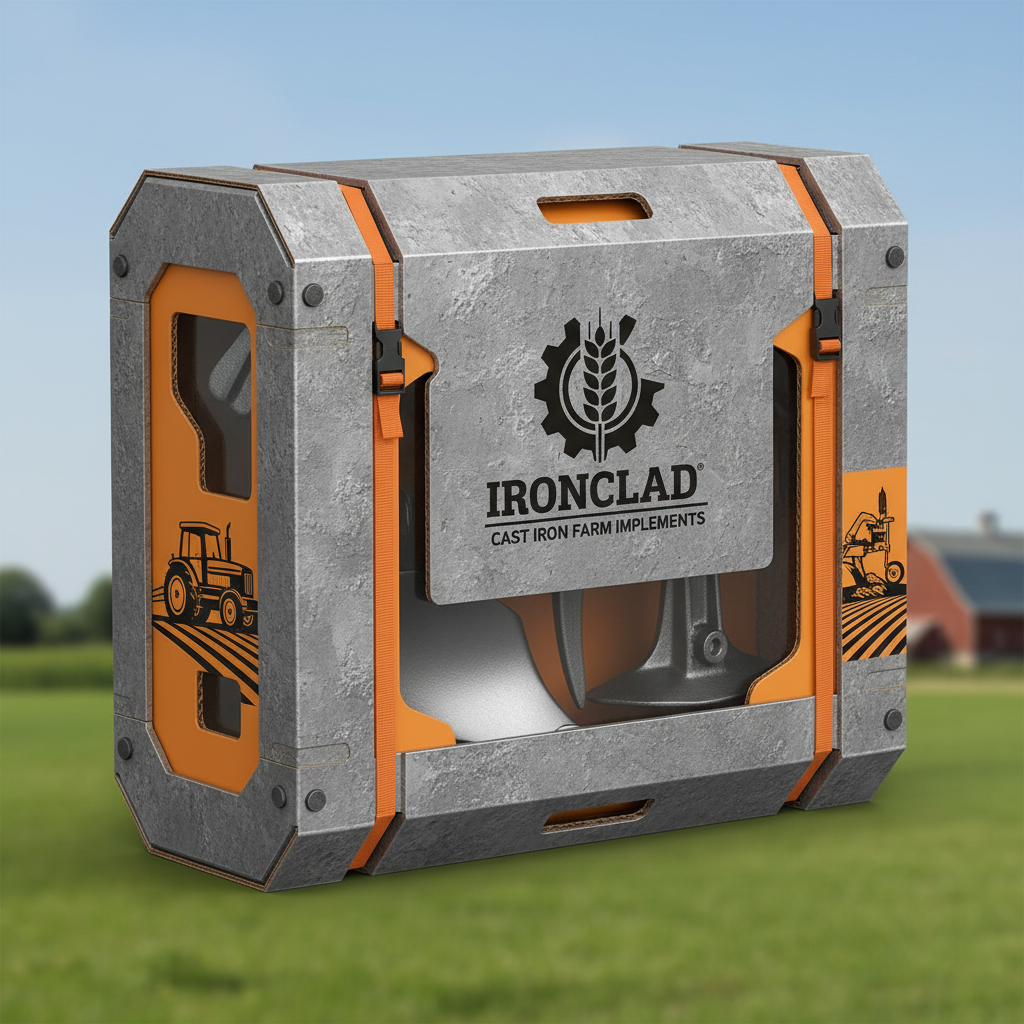 Selecting the appropriate farm land equipment is crucial for maximizing efficiency and productivity in agricultural operations. From tractors and tillers to planters and harvesters, the right tools can significantly impact crop yields and overall farm profitability. This guide provides an overview of essential farm land equipment, factors to consider when making purchasing decisions, and how to ensure long-term equipment performance. Investing in quality equipment is a key element of a successful and sustainable farming operation. We’ll explore the latest advancements and best practices in agricultural machinery. Farm land equipment can be broadly categorized based on its primary function. Tillage equipment prepares the soil for planting, while planting equipment precisely places seeds. Harvesting equipment efficiently gathers crops, and material handling equipment assists in transporting and storing produce. Beyond these core categories, there’s specialized equipment for irrigation, spraying, and livestock management. Understanding these categories is the first step towards identifying the equipment best suited for your specific farming needs.Read more
-
 The backbone of any successful agricultural operation lies in the quality and efficiency of its farm implements and machinery. From preparing the land to harvesting crops, the right equipment can significantly impact productivity, reduce labor costs, and ultimately, boost profitability. This article delves into the world of agricultural machinery, exploring key types, recent innovations, and considerations for choosing the best equipment for your specific needs. Understanding your options is critical for maximizing your farm's potential. Farm implements and machinery encompass a broad range of tools, each designed for specific agricultural tasks. Generally, they fall into several core categories. Preparation implements, like plows and cultivators, prepare the soil for planting. Planting implements, such as seed drills and planters, ensure efficient and accurate seed placement. Harvesting machinery, including combines and forage harvesters, gathers the crops. Material handling equipment – tractors, trailers, and conveyors – facilitates the movement of crops and supplies. Finally, Irrigation equipment plays a vital role in water management. Choosing the right combination of implements depends heavily on the type of farm, the crops grown, and the scale of the operation.Read more
-
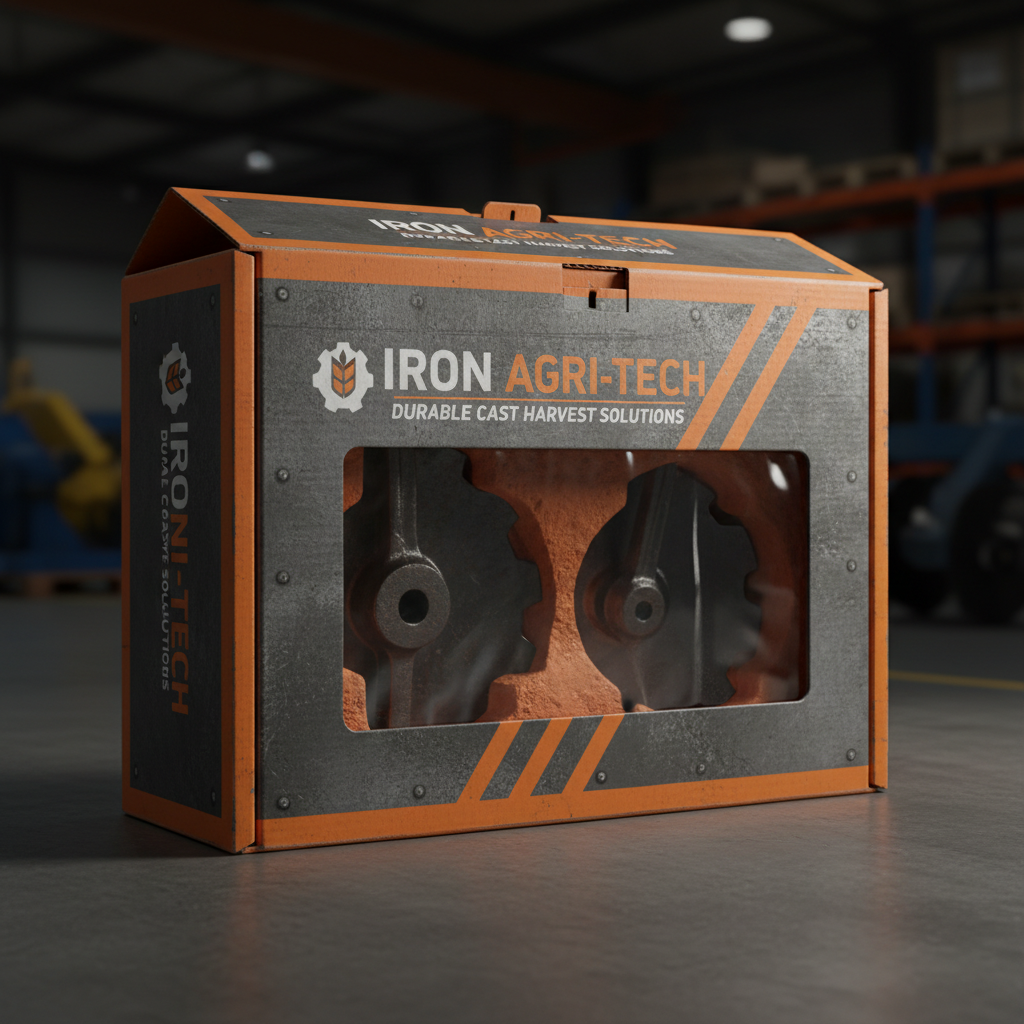 Selecting the right farm implement and equipment is crucial for maximizing efficiency, productivity, and profitability in modern agriculture. From preparing the land to harvesting crops, the right tools can significantly reduce labor costs and improve yields. This guide offers an in-depth look at the various types of farm machinery, their uses, and key considerations for making informed purchasing decisions. Understanding the functionalities and benefits of different equipment is essential for any farmer looking to optimize their operations. Farm implements encompass a wide range of tools designed for specific agricultural tasks. Primary tillage implements like plows prepare the soil for planting, while secondary tillage implements, such as harrows and cultivators, refine the seedbed. Planting equipment, including seed drills and planters, ensures accurate seed placement. Harvesting equipment, like combines and forage harvesters, efficiently gathers crops.Read more
-
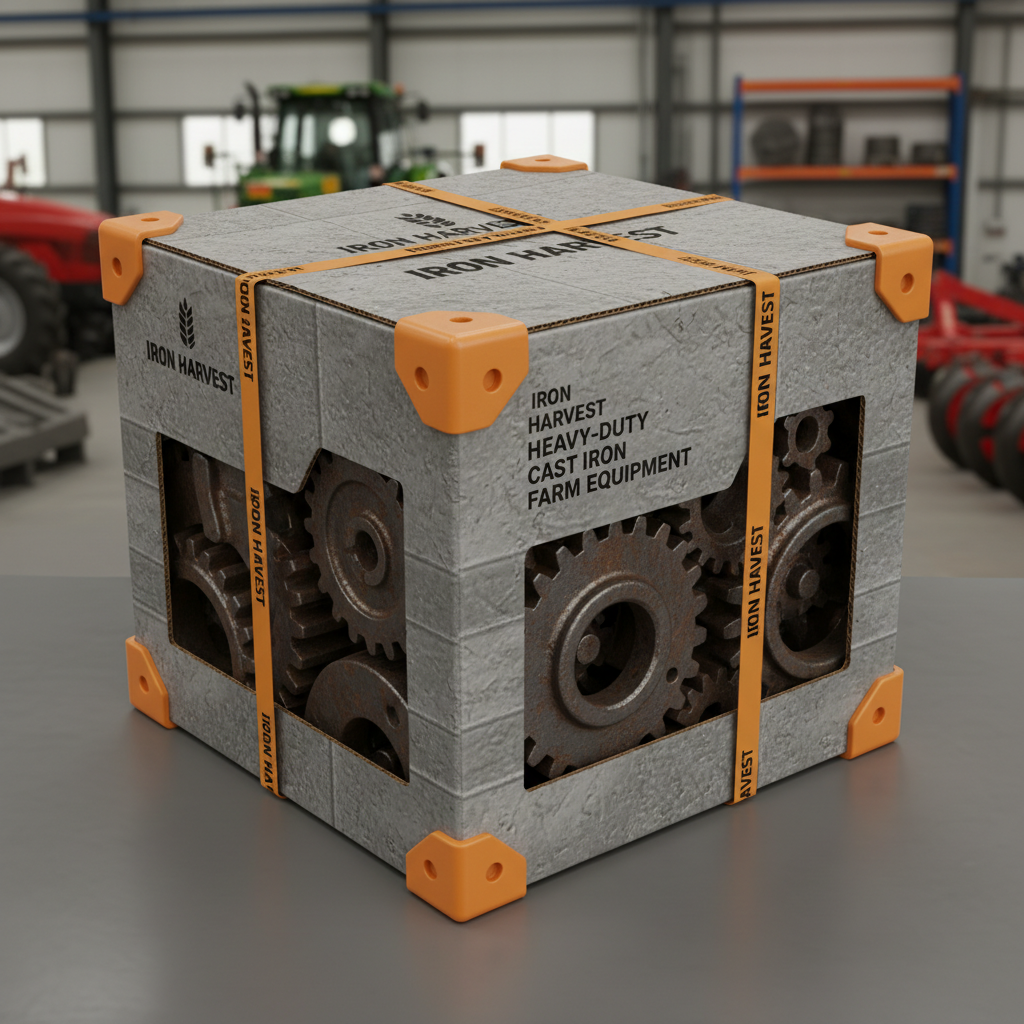 Modern farming relies heavily on efficient and reliable farm machinery. From planting and harvesting to livestock management, the right equipment can significantly increase productivity and reduce labor costs. This article will explore the various types of farm machinery available, their applications, and how to choose the best options for your agricultural needs. Understanding the latest advancements and considering your specific farm requirements are crucial for maximizing your return on investment. Langningam provides a comprehensive selection of high-quality farm machinery to meet diverse farming operations. The world of farm machinery is vast, encompassing a wide range of tools and equipment. Tractors are the workhorses of most farms, used for a variety of tasks like plowing, planting, and hauling. Planters and Seeders precisely sow seeds, ensuring optimal spacing and depth for healthy growth. Harvesters efficiently gather crops, minimizing losses and speeding up the harvesting process. Balers compress hay or straw into manageable bales for storage and feeding livestock. Sprayers apply fertilizers, pesticides, and herbicides, protecting crops and promoting yields.Read more
-
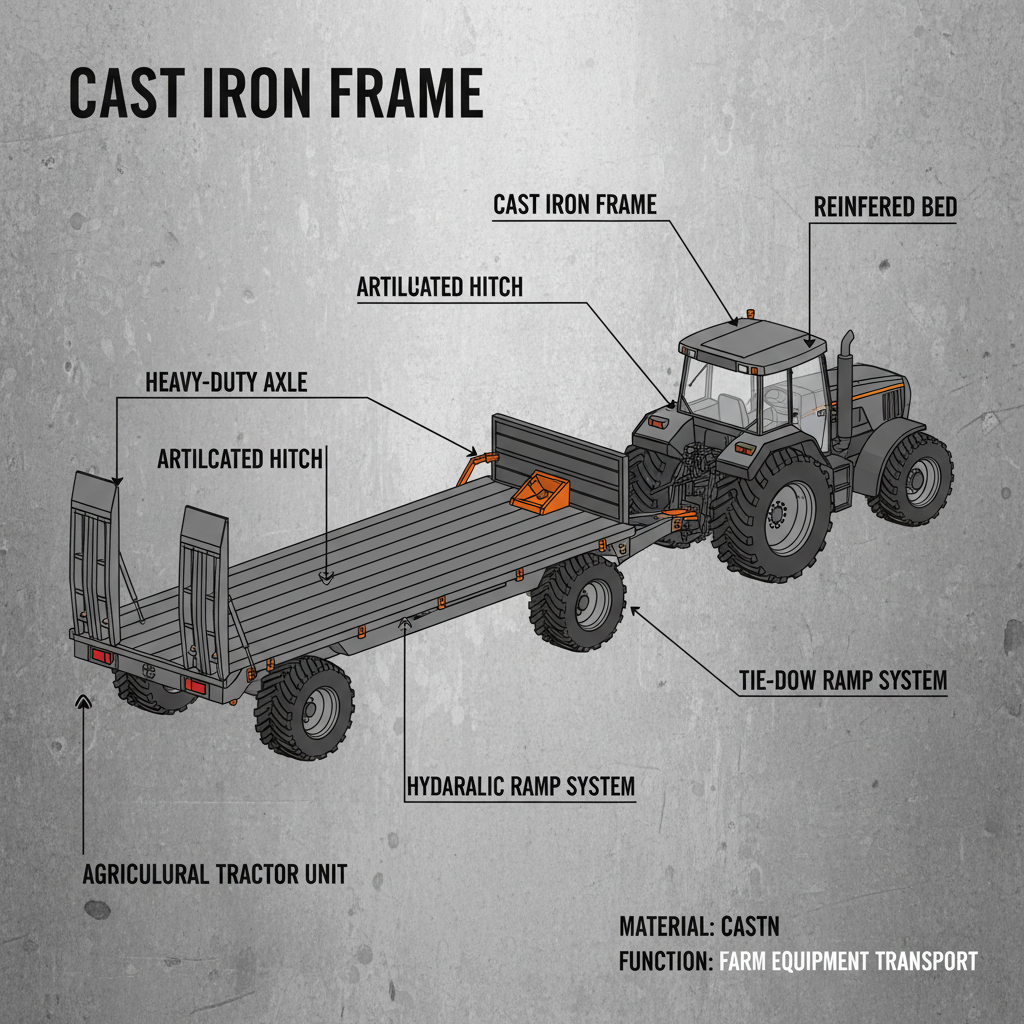 Transporting farm equipment requires careful planning and execution. Whether you’re moving tractors, combines, or planters, ensuring the safety and legality of your transport is paramount. This article delves into the intricacies of farm equipment transport, covering legal requirements, logistical considerations, and best practices. We’ll explore how to choose the right transport method, comply with regulations, and protect your valuable assets. Effective planning minimizes risks and ensures a smooth, efficient move. Farm equipment often exceeds standard vehicle dimensions and weight limits, triggering specific regulations. These vary significantly by state and country, making thorough research crucial. Generally, oversized loads require permits, escort vehicles, and adherence to specific route restrictions. Understanding height, width, and weight limitations is the first step. Ignorance of these rules can lead to hefty fines, delays, and even legal repercussions.Read more
-
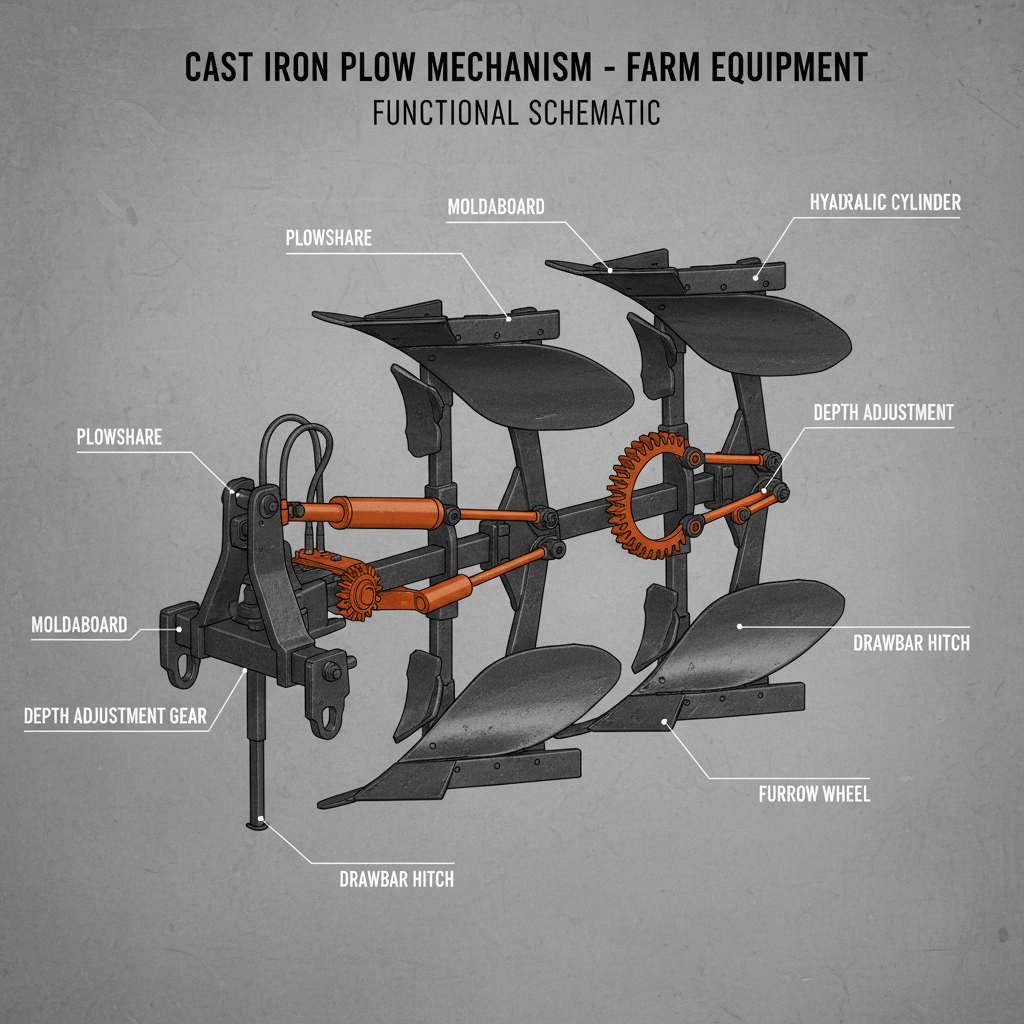 Modern agriculture relies heavily on efficient and reliable farm equipment machinery. From planting and harvesting to soil preparation and livestock management, the right machinery can significantly boost productivity, reduce labor costs, and improve overall farm profitability. This article provides a comprehensive overview of farm equipment machinery, exploring various types, key considerations when purchasing, and the latest trends in agricultural technology. Choosing the correct equipment is vital for a successful harvest and sustainable farming practices. Langningam is dedicated to providing farmers with the tools they need to thrive.Read more
-
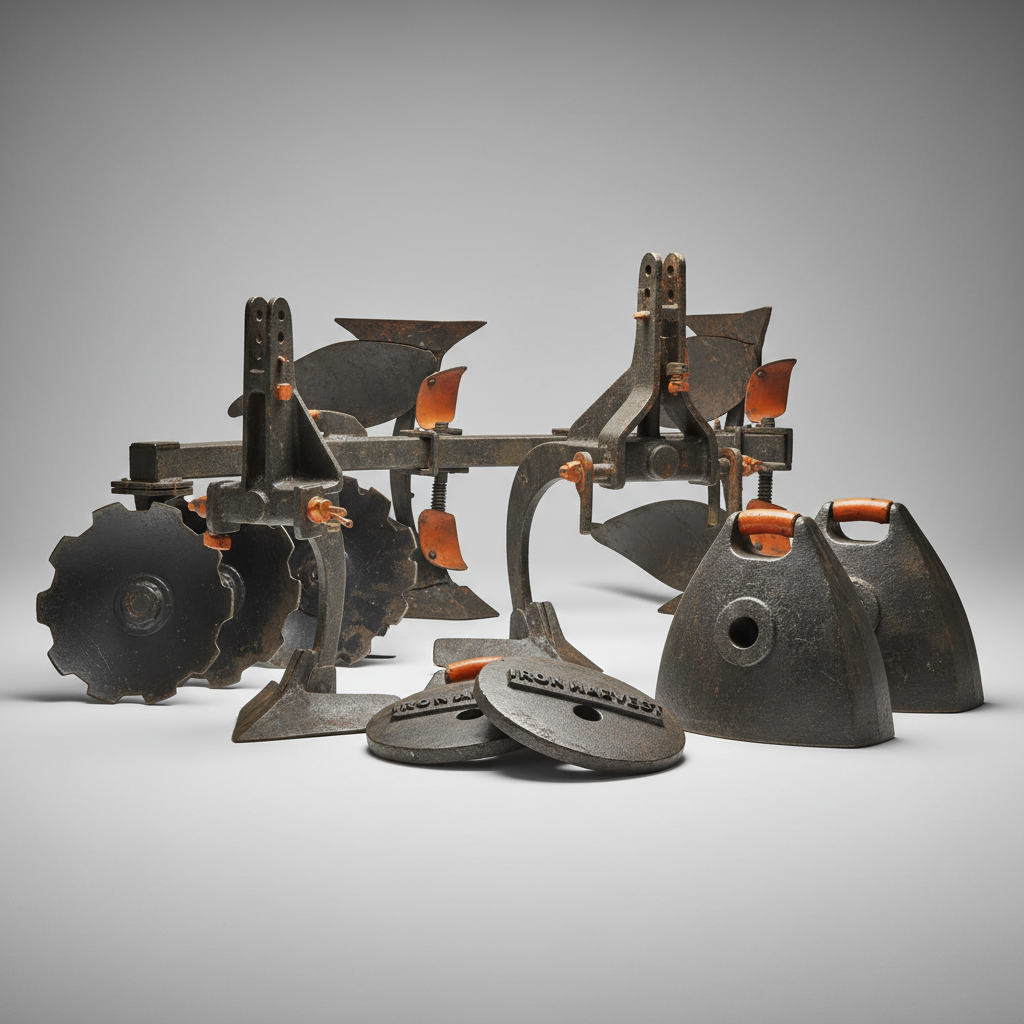 The backbone of any successful agricultural operation is reliable and efficient farm equipment implements. From preparing the soil to harvesting crops, these tools are essential for maximizing yields and streamlining processes. This guide will delve into the world of farm implements, covering their types, uses, selection criteria, and the latest innovations. Choosing the right implements can significantly impact productivity, reduce labor costs, and ensure the long-term health of your farm. We'll explore how Langningam provides high-quality solutions for modern farming needs. Farm implements come in a vast array of designs, each tailored to specific tasks. Broadly, they can be categorized into implements for soil preparation, planting, cultivation, harvesting, and material handling.Read more
-
 Sourcing reliable farm equipment and supplies is crucial for maximizing productivity and ensuring the success of any agricultural operation. From tractors and implements to irrigation systems and livestock care products, the right tools can significantly impact efficiency, yields, and profitability. This guide provides a detailed overview of essential farm equipment, factors to consider when making purchases, and how Langningam can serve as your trusted partner in acquiring high-quality agricultural solutions. Investing in the right equipment is an investment in the future of your farm. The world of farm equipment is vast and diverse. Here’s a breakdown of key categories and their typical applications: Tillage Equipment (plows, harrows, cultivators) prepares the soil for planting. Planting and Seeding Equipment (seed drills, planters) accurately places seeds for optimal growth. Harvesting Equipment (combines, forage harvesters) efficiently gathers crops.Read more
-
Investing in the right farm equipment and implement is crucial for maximizing efficiency, productivity, and profitability in modern agriculture. From tractors and tillers to planters and harvesters, the selection of appropriate machinery significantly impacts every stage of the farming process. This article will provide a detailed overview of essential farm equipment, explore key considerations for choosing the right tools, and highlight the latest advancements in agricultural technology. Understanding the capabilities and benefits of various implements empowers farmers to make informed decisions that contribute to a successful harvest. The agricultural landscape demands a diverse range of equipment. At the core is the tractor, the workhorse of most farms, used for pulling implements, powering machinery, and performing various tasks. Tillers prepare the soil for planting, while planters accurately sow seeds. Harvesters efficiently collect crops, and balers compress hay for storage. Beyond these essentials, specialized equipment like sprayers, spreaders, and irrigation systems play critical roles in crop management and yield optimization.Read more