
Seed waste and singulation errors are often the invisible leaks in a farm's annual budget, turning high-cost seeds into wasted capital. For corporate purchasers and operations managers, the challenge isn't just finding a machine that works, but identifying a system that maintains precision over thousands of hectares without constant mechanical failure.
The gap between premium European machinery and low-cost alternatives has traditionally been a choice between overpaying for brand prestige or risking season-ending downtime. However, a shift toward precision-engineered vacuum platforms is redefining how agribusinesses approach their seeding infrastructure.
Understanding the technical benchmarks of agriculture spare parts manufacturers allows operators to optimize the Total Cost of Ownership (TCO) while ensuring that soybean, turnip, and paddy tray configurations deliver maximum yield consistency.


Precision seeding relies on the ability to isolate a single seed from a bulk supply and place it at a precise depth and interval. The vacuum-plate platform is the industry standard for achieving this, using negative pressure to hold a single seed against a precision-drilled hole in a rotating disk.
For crops like soybeans and turnips, where seed size can vary slightly, the vacuum pressure must be finely tuned. The Jang precision seeder platform utilizes this technology to achieve up to 99.5% singulation, virtually eliminating the "doubles" and "skips" that typically degrade crop uniformity.
The accuracy of a seeder is not determined by a single part, but by the synergy between the seed plate material, the vacuum seal, and the drive synchronization. Aluminum alloy frames provide the necessary rigidity to prevent chassis flex, which can otherwise cause misalignment in the metering unit during high-speed operation.
Stainless steel seed plates are critical for long-term durability and precision. Unlike plastic alternatives that wear down after a few hundred hours of use, stainless steel maintains the exact diameter of the seed holes, ensuring that the singulation rate does not drop as the machine ages.
Furthermore, the integration of PTO or hydraulic drives allows for consistent rotation speeds. When working speed fluctuates, the vacuum timing must adjust instantaneously to prevent seed drops from drifting, a technical requirement that separates professional-grade equipment from generic machinery.
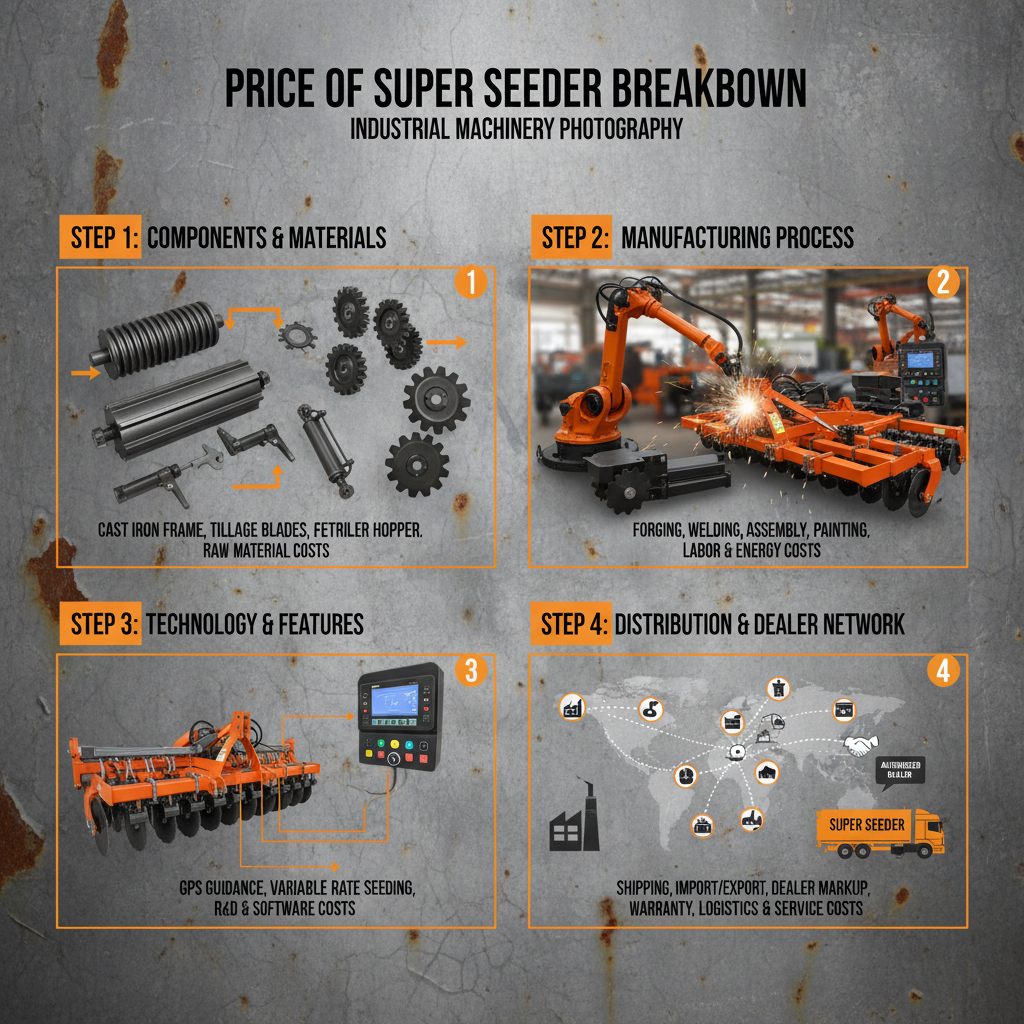
When evaluating machinery, the purchase price is often a misleading metric. The true cost is found in the Total Cost of Ownership, which includes seed waste, repair frequency, and the opportunity cost of downtime during the critical planting window.
Low-accuracy seeders can increase per-hectare seed waste by up to 42%, effectively doubling the input cost for high-value crops like soybeans and turnips while reducing overall germination uniformity.
By transitioning to a system with verified 99.5% singulation, operations managers can cut their TCO significantly. For instance, the Jang precision seeder is engineered to reduce these hidden costs by 42% compared to premium European brands, primarily by balancing high-spec materials with a more efficient supply chain.
Different seeds require different vacuum dynamics. Soybean seeds (5–12 mm) require a stronger hold and larger apertures, while turnip seeds (1.5–4 mm) demand high-precision disks to prevent multiple seeds from occupying a single cell.
The following index illustrates the relative singulation efficiency across different crop profiles when using optimized vacuum-plate configurations compared to generic metering units.
Modern contract farming often requires a single piece of equipment to handle multiple crop profiles across a season. The ability to switch between a soybean seeder, a turnip seeder, and a paddy tray configuration in under 10 minutes is a critical operational advantage.
This versatility is achieved through modular seed plate systems. By swapping the disk and adjusting the vacuum pressure, a single machine can adapt to various seed sizes and tray dimensions, reducing the need for multiple specialized machines and lowering the overall capital expenditure for the farm.
Global agribusinesses are increasingly moving away from rigid, single-purpose machinery toward modular OEM designs. This shift allows technical directors to customize seed cell counts, tray dimensions (such as A4 or 600×300 mm), and vacuum pressure based on local soil conditions and seed varieties.
The role of agriculture spare parts manufacturers has evolved from providing simple replacements to offering integrated engineering support. Providing HTS codes, IPPC-certified packaging, and CE/RoHS documentation has become as important as the mechanical performance of the machine itself.
Looking forward, the integration of smarter vacuum sensors and more durable alloy compositions will continue to push singulation rates higher, further reducing the seed waste that currently plagues large-scale agricultural operations.
When procuring precision seeders on a global scale, buyers must look beyond the brochure and evaluate the machinery against four key dimensions: singulation stability, material longevity, logistical lead times, and after-sales support.
A common mistake is prioritizing the lowest initial cost, only to find that cheap plastic metering units fail after 200 hours of operation. A professional evaluation should prioritize the material of the seed plates and the frame's compliance with international machinery directives (such as EU 2006/42/EC).
The following table provides a framework for comparing standard seeding equipment against high-precision vacuum platforms like the Jang system.
| Evaluation Factor | Generic Metering | Vacuum-Plate System | Operational Impact |
|---|---|---|---|
| Singulation Rate | 85% - 92% | ≥ 98.5% - 99.5% | Direct seed cost savings |
| Plate Material | Reinforced Plastic | Stainless Steel | Long-term precision stability |
| Switchover Time | Hours / Full Rebuild | Under 10 Minutes | Increased field efficiency |
| TCO Reduction | Baseline | Up to 42% Lower | Higher annual ROI |
| Lead Time (FOB) | 30 - 60 Days | Average 15 Days | Reduced seasonal risk |
| Certifications | Varies / Basic | CE, RoHS, ISO 9001 | Simplified customs clearance |
Vacuum-plate technology uses negative pressure to pick up a single seed and hold it securely against a precision-drilled hole. Mechanical plates rely on gravity and physical gaps, which often lead to "doubles" (two seeds in one hole) or "skips" (empty holes). The vacuum system allows for much tighter control over seed placement, especially for small seeds like turnips, ensuring a singulation rate of 99.5%.
Yes, provided the machine uses a modular seed plate system. By swapping the stainless steel seed plate to one with the correct aperture size (5–12 mm for soybeans and 1.5–4 mm for turnips) and adjusting the vacuum pressure settings, the same machine can handle both crop profiles efficiently. This reduces the need for multiple specialized machines.
The highest TCO drivers are seed waste due to poor singulation, frequent mechanical downtime caused by low-grade materials (like plastic metering units), and long lead times that delay planting. High-precision equipment may have a higher initial cost but reduces TCO by cutting seed waste by up to 42% and minimizing repair cycles through the use of stainless steel and aluminum alloys.
Buyers should ensure that the manufacturer provides full documentation, including HTS codes, certificates of origin, and IPPC-certified wooden packaging to avoid customs delays. Shipping terms like FOB or CIF are standard, but for orders over $50,000, door-to-door logistics are often available. Ensuring the equipment is CE and ISO 9001 certified simplifies the import process into the EU and USA.
Standard export-ready units typically have an FOB lead time of around 15 days. For OEM/ODM customizations, such as modified tray dimensions or custom vacuum pressures, the R&D process for a tailored prototype usually takes about 25 days. This efficiency is crucial for agribusinesses that need to synchronize equipment delivery with the start of the planting season.
Regular maintenance involves cleaning the vacuum filters to ensure consistent negative pressure and inspecting the stainless steel plates for debris. Because stainless steel is highly resistant to wear, the plates themselves rarely need replacement, but the seals and vacuum hoses should be checked for leaks every 500 operating hours to maintain peak singulation performance.
Precision seeding is no longer a luxury but a financial necessity for large-scale agribusinesses. The transition from generic metering to high-accuracy vacuum platforms directly impacts the bottom line by reducing seed waste and maximizing germination uniformity.
By focusing on material integrity, modular versatility, and verified singulation data, procurement managers can secure equipment that delivers a measurable return on investment while safeguarding their seasonal planting windows.